My Hero Academia just ended its final battle, and with it, the series proved that it is the best shonen anime, as it perfectly embodies the core of what a shonen story should be, which many series stray away from by the end. Shonen stories are known for featuring male protagonists with grand ambitions that ultimately amount to saving the world. As the narrative progresses, these protagonists become increasingly powerful, and by the time they face the final villain, they are essentially untouchable. They become unshakable pillars that everyone relies on.
Videos by ComicBook.com
However, it is precisely because of this trope that shonen endings often feel overly fantastical. With main characters reaching unreachable heights, such as Naruto with the Six Paths power, they begin to lose the sense of being real, relatable individuals. Combined with the common trope of them being destined for greatness, shonen stories often break their own core message: that anyone, through hard work and dedication, can achieve their dreams. In contrast, My Hero Academia has consistently embraced this ideal, and even in its final fight, its hero, Deku, still feels grounded and real, someone who refuses to give up and inspires others to step forward and help him.
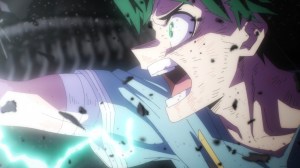
Here’s How My Hero Academia Proves It’s the Best Shonen Series With the Best Protagonist
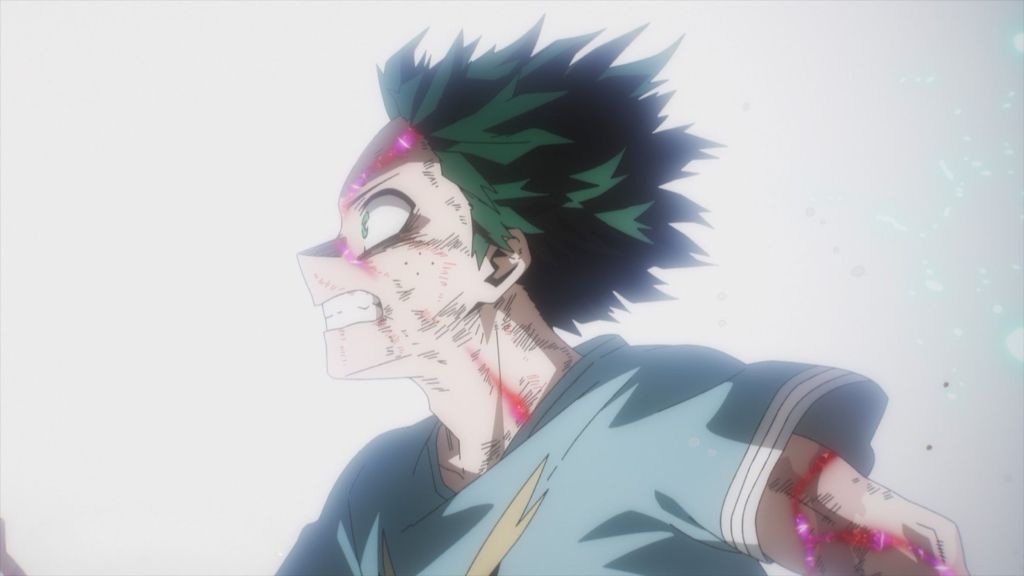
The sense of realism that My Hero Academia’s Izuku Midoriya provides comes first from the fact that he was never destined to walk the path of a hero. From the start, he simply proves that he genuinely wants to become one, even though fate had something else planned for him. With Deku being quirkless and still showing that he had the potential to be a hero, someone who inspires others to act, he begins his journey by receiving a power he never imagined. This early setup establishes that Deku is a different kind of shonen protagonist, as his core is not rooted in saving others through overwhelming strength, but in inspiring people to surpass their limits and take action.
This is exactly what makes Deku an even better hero than his mentor, All Might. All Might, with his unbelievable strength, became the Symbol of Peace, a figure who gave people a sense of absolute protection, assuring them that no harm would come as long as he stood strong. However, this symbolic safety was also his greatest flaw as a hero. If the Symbol of Peace were to fall, widespread panic and despair would inevitably follow, as people would feel helpless without his presence. By the end of their stories, many shonen protagonists end up embodying this same trope: overwhelmingly powerful figures who hold everything together.
In contrast, Deku has never provided security through sheer presence. Instead, he inspires through effort and action. This is highlighted in the latest My Hero Academia episode, Episode 167, “Izuku Midoriya Rising,” where All For One remarks that it is Deku’s weakness that pushes others to keep getting up and helping him move forward. In comparison, this creates a stronger, more enduring form of protection, one not tied to a single, irreplaceable symbol, but to a mindset that can spread across society. As Deku’s name in Japanese kanji means “You Can Do It,” the series’ core has always been about inspiring others. My Hero Academia delivers on this consistently, making it one of the best shonen series ever, and giving it one of the best protagonists.
There Won’t Be a Shonen Series Like My Hero Academia Soon
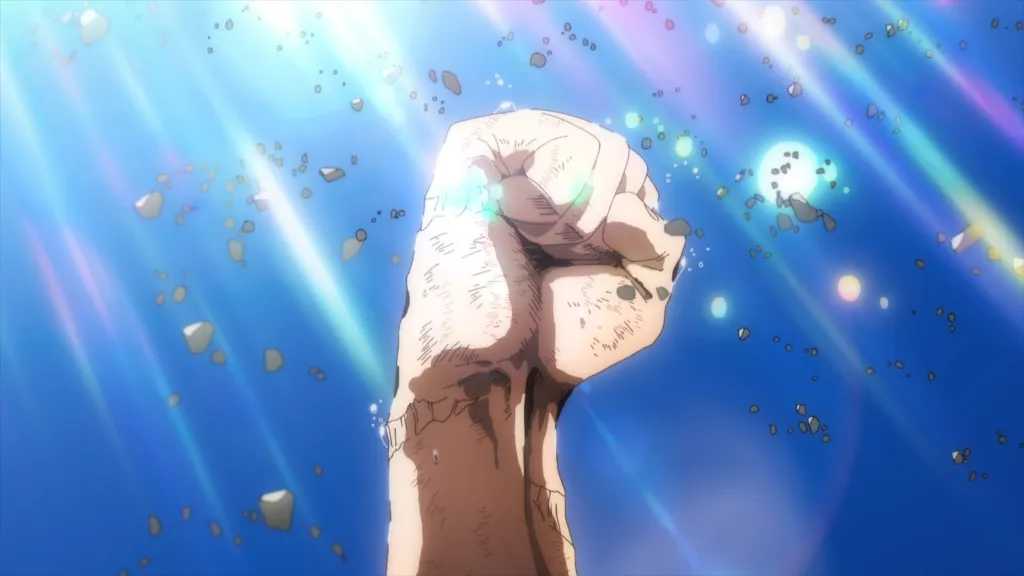
Kohei Horikoshi’s My Hero Academia has proven itself to be not just one of the best series to embody the core of the shonen genre, but also one of the last shonen titles to build a legacy through its length, something newer series rarely achieve. With more than 400 chapters, it stands as one of the final long-running shonen releases of the past decade to gain massive popularity on such a wide scale. Recent shonen series have often been axed due to a lack of strong popularity or because their narratives are intentionally shorter.
Even one of the most successful modern series, Demon Slayer, is considerably shorter than My Hero Academia. This highlights a clear shift in recent shonen manga, with newer titles favoring shorter stories. As a result, My Hero Academia is one of the last of its kind to establish a long-running legacy, and it will be difficult for a new shonen series to surpass it, especially given how consistently it embodies the genre’s core values while standing as one of the best shonen stories ever created.
What do you think? Leave a comment below and join the conversation now in the ComicBook Forum!
Most Viewed
-
A Nintendo 64 console over a collage of game box art from the system's library. -

Image courtesy of Virgin Films