Netflix has been investing heavily in live-action projects over the past few years, and the live-action adaptation of the animated series Avatar: The Last Airbender stands out as one of the best recent examples. The first season, which adapted the events of Book 1 from the original series, successfully brought the story to life. There were very few noticeable flaws in Netflix’s debut season. However, ever since the project was announced, fans of the original series have shared a major concern about its future. While many challenges of live-action adaptations can be addressed, there is a natural phenomenon that ultimately prevents them from being perfect.
Videos by ComicBook.com
Unfortunately, Netflix’s Avatar: The Last Airbender is also affected by this issue. From the moment the live-action adaptation was revealed, fans expressed concern over how the actors would age and whether they would continue to look the part in future seasons. The teaser for Avatar: The Last Airbender Season 2 has only made this problem more apparent. This highlights that no matter how much care and dedication go into a live-action project, the reality of actors growing up will always remain a challenge.

Netflix’s Avatar: The Last Airbender Just Proved Why Live-Action Adaptations Never Work
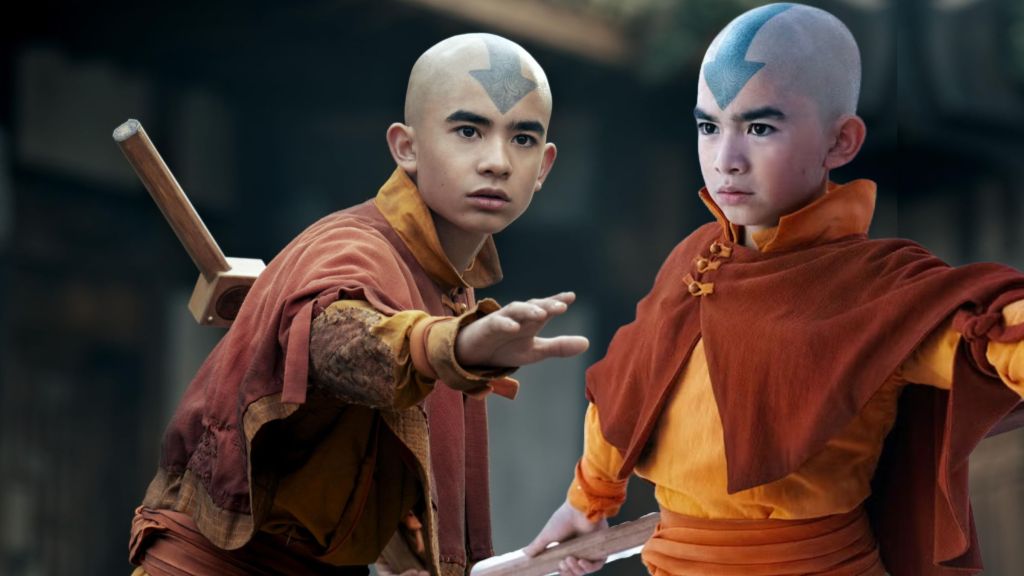
The main protagonist of the animated Avatar: The Last Airbender is only 12 years old and remains the same age throughout most of the narrative, aging just a year as the story itself spans roughly that length of time. In the first season, Gordon Cormier, who plays 12-year-old Aang, convincingly looked the part and fit the role well. However, the teaser for the new season makes it clear that the actor has aged, and Aang now appears noticeably older than he did in the first season of the live-action adaptation. Since Season 2 is only meant to advance the story by about a month, this highlights an unavoidable issue. As live-action seasons take years to produce while the narrative timeline moves slowly, actors’ aging becomes a problem with no clear solution.
This inevitably strays from the original narrative intent. As a result, it will be difficult for upcoming seasons to convincingly portray Aang as a 12-year-old. The live-action series may introduce narrative changes to better align the character with the actor’s age, but that does not change the reality that every live-action adaptation faces this issue. This is why Netflix’s other ambitious live-action project, One Piece, often praised as the best anime live-action adaptation so far, is also likely to encounter the same problem in the future.
The issue may be even more pronounced for One Piece due to its much longer narrative, in which the characters barely age over time. At the current pacing of the live-action adaptation, it could take at least a decade to reach five or six seasons, potentially covering only half of the original story. By then, the visible aging of the actors would be even more noticeable. Netflix may choose to accelerate the narrative to compensate, but that would likely require cutting significant portions of the source material. These factors reinforce the idea that live-action adaptations can never be a perfect mirror of their source material, and that compromises are unavoidable when attempting to overcome such limitations.
What do you think? Leave a comment below and join the conversation now in the ComicBook Forum!
Most Viewed
-

Image Courtesy of Netflix -

Image courtesy of Warner Bros. Pictures -

Image Courtesy of Ufotable -

Warner Bros. Pictures -

image courtesy of Studio Ghibli