Anime villains come in all shapes and sizes, from the outright evil ones who just want to watch the world burn to the surprisingly relatable ones who make you stop and think. Then there are the villains who hit a little too close to home. These are the ones with tragic backstories or big ideas about fixing the world, even if their methods are extreme.
Videos by ComicBook.com
You don’t agree with what they’re doing, but you can’t help but understand why they’re doing it. Sometimes, you even catch yourself rooting for them a little, which feels weird because, you know, they’re still the bad guy. But that’s what makes them so interesting.

10. Meruem (Hunter x Hunter)

Meruem begins his story as a ruthless and detached leader of the Chimera Ants, treating humans as little more than livestock. However, his interactions with Komugi, a blind and humble girl, reveal his inner conflict. Their bond humanizes him, making viewers question whether he is truly a monster or simply a product of his environment and upbringing. His struggle to reconcile his predatory instincts with newfound emotions makes him a complex and surprisingly sympathetic character. He grapples with questions about the purpose of his existence and the morality of his actions, which mirrors the struggles many face in finding their identity and place in the world.
9. Zeke Yeager (Attack on Titan)
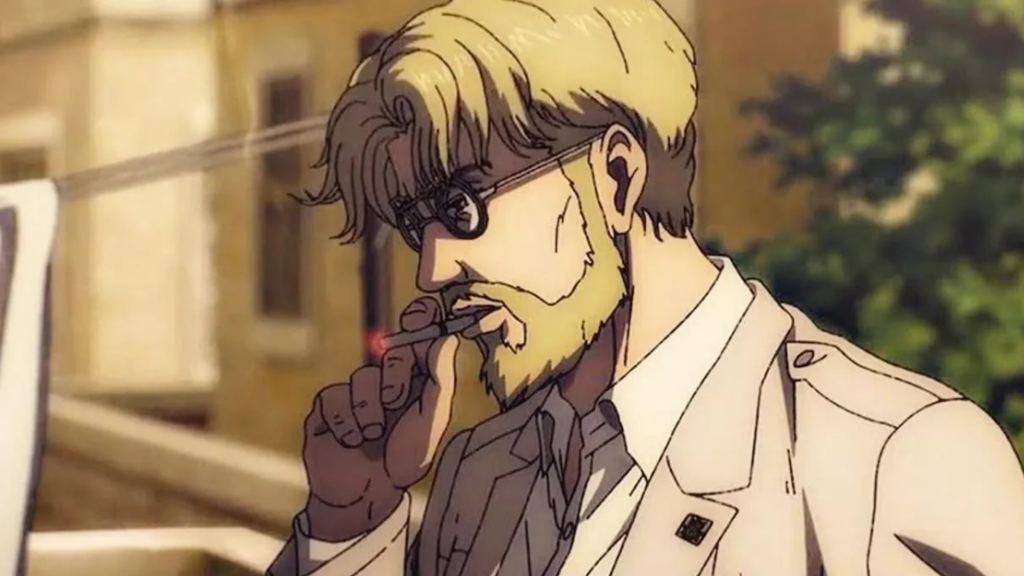
Zeke Yeager’s actions as the Beast Titan are undeniably horrifying, yet his motivations stem from a tragic upbringing. Born into a world of oppression, Zeke was manipulated by his parents and ultimately betrayed them, leading to his own twisted ideology of “euthanizing” his people to end their suffering. His flawed logic and emotional scars reflect the struggles many face when trying to navigate their moral compass in a broken world.
8. Pain/Nagato (Naruto: Shippuden)
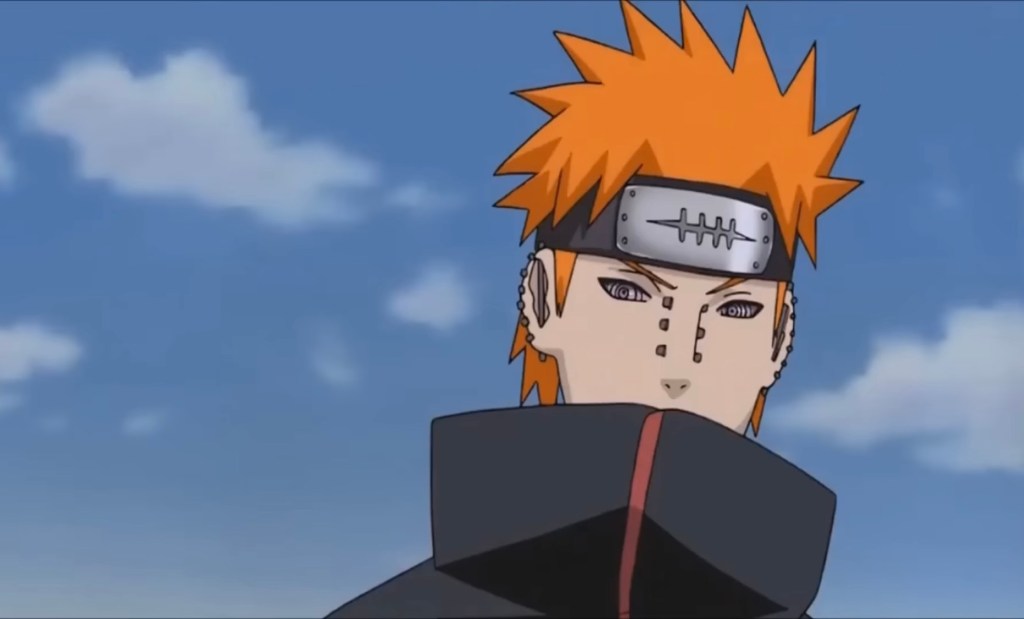
Nagato, operating under the alias Pain, is a villain who carries the scars of war. Witnessing the death of his family and friends in the chaos of war, he develops his philosophy that peace can only be achieved through shared suffering. His actions are ruthless, but his ultimate goal of ending the cycle of violence is one that many can empathize with, even if they disagree with his methods.
7. King Bradley (Fullmetal Alchemist: Brotherhood)
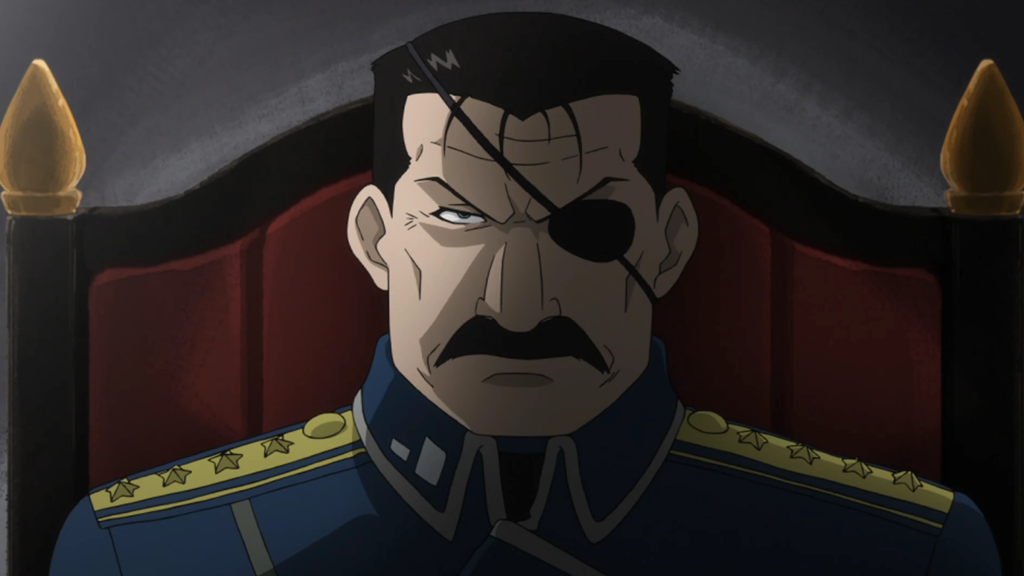
King Bradley, or Wrath, is a compelling antagonist who operates as a tool of the homunculi while hiding his true identity as a human-turned-homunculus. Despite his cold demeanor, Bradley has moments of surprising introspection. He reflects on the lack of control he had over his life, having been bred for a specific purpose, and questions whether his actions truly align with his desires. His occasional glimpses of humanity make it hard to see him as purely evil.
6. Stain (My Hero Academia)

Stain is a villain with a rigid code of ethics, targeting only those he deems unworthy of the hero title. His disdain for the commercialization of heroism stems from his belief that true heroes should act selflessly, not for fame or profit. His critique of a corrupt system resonates with those who see hypocrisy in positions of power. Stain’s fanaticism may be extreme, but his desire for authenticity and justice strikes a chord with viewers who admire his conviction.
5. Griffith (Berserk)
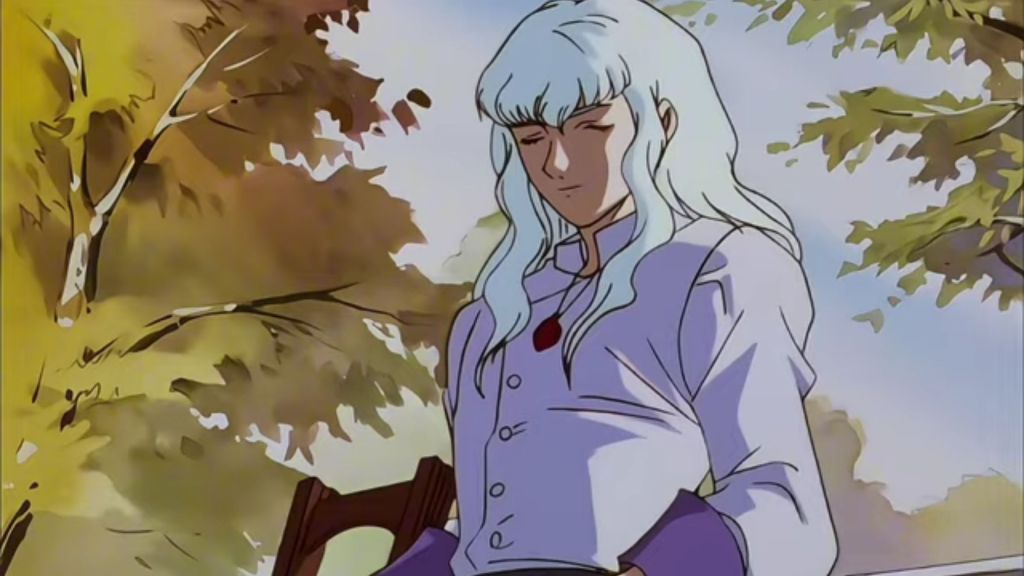
Griffith is a character whose ambition and charisma make him both inspiring and terrifying. His dream of creating a kingdom at any cost drives him to commit unspeakable acts, including betraying those closest to him. While his actions are unforgivable, his initial struggles and sacrifices to achieve his dream make him a fascinating and relatable figure. His journey from humble beginnings to near godhood mirrors the lengths people are willing to go to fulfill their aspirations.
4. Shogo Makishima (Psycho-Pass)

Shogo Makishima opposes the Sybil System, a dystopian entity that governs society by predicting and preventing crime. While his methods are cruel, his critique of a society that sacrifices personal liberty for the illusion of safety makes him a thought-provoking antagonist. Makishima’s relatability lies in his rejection of conformity and his desire for genuine human connection. He represents the struggle against oppressive systems and the longing for individuality in a world that prioritizes efficiency over humanity.
3. Reiner Braun (Attack on Titan)
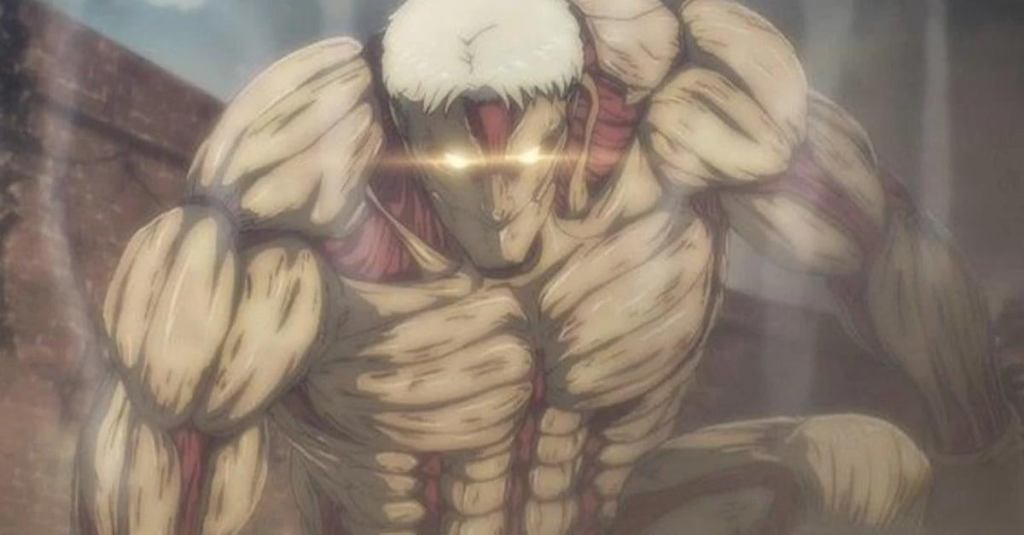
Reiner Braun is a warrior torn between his duty as a soldier for Marley and his bonds with the people of Paradis. His fractured psyche, resulting from years of guilt and self-loathing, makes him one of the most human characters in the series. His desire to protect his loved ones while grappling with the consequences of his actions mirrors the emotional battles many face when caught between conflicting loyalties. His vulnerability and regret make him a deeply empathetic character despite his role as an antagonist.
2. Dio Brando (JoJo’s Bizarre Adventure)
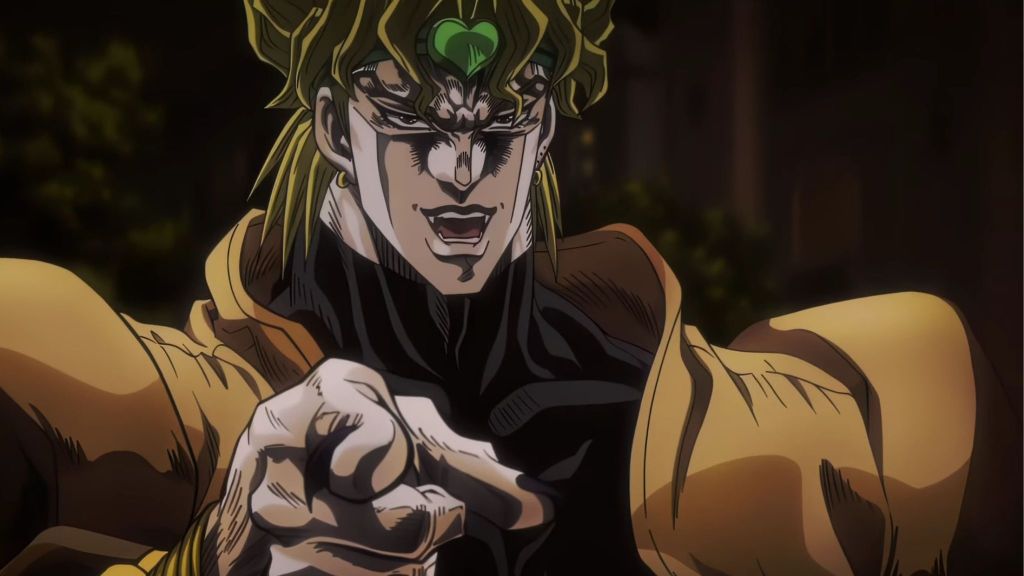
Dio Brando’s cruelty and arrogance are matched only by his tragic beginnings. Born into poverty and abuse, Dio’s thirst for power and immortality stems from his desire to escape his miserable past. His determination and resourcefulness make him a formidable foe, but his vulnerability lies in his deeply rooted insecurities and need for validation. Dio’s relatability comes from his relentless pursuit of self-improvement, even if it leads him down a dark path. His ambition and refusal to accept his circumstances resonate with viewers who admire his resilience.
1. Madara Uchiha (Naruto: Shippuden)
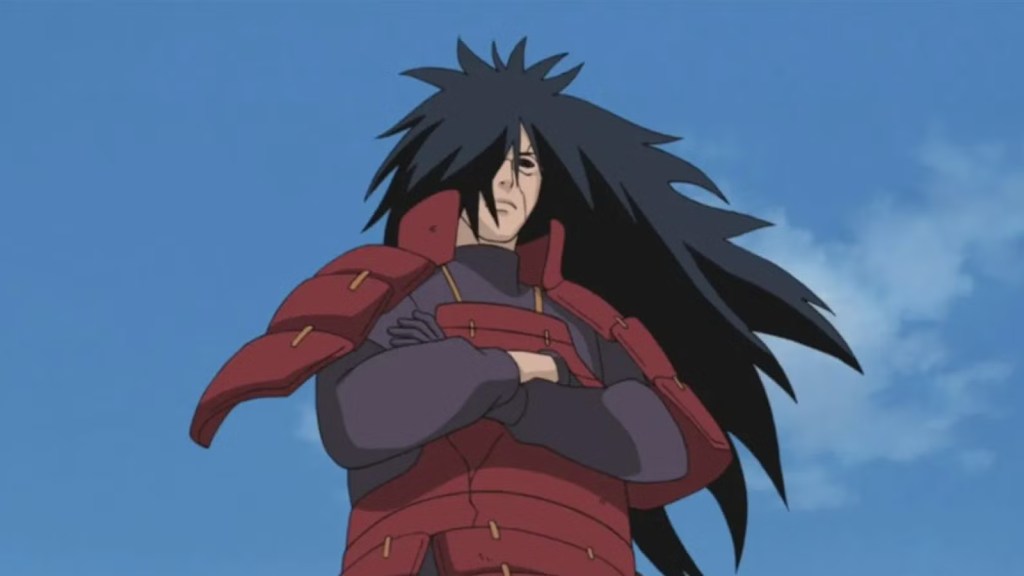
Madara Uchiha is a legendary figure whose vision for a perfect world leads him to become one of the most formidable villains in anime history. His dream of uniting humanity through the Infinite Tsukuyomi stems from his disillusionment with the endless cycle of war and suffering. While his methods are extreme, his goal of creating peace, even through illusion, is born from a genuine desire to end pain.
What do you think? Leave a comment below and join the conversation now in the ComicBook Forum!
Most Viewed
-
Image Courtesy of MAPPA -

Image courtesy of Marvel Studios