Video games have quietly become one of anime’s most dependable wells of source material. Anime adaptations of video games often walk a treacherous creative tightrope. Studios are caught between satisfying hardcore fans who worship the original mechanics and delivering something compelling to viewers who’ve never touched a controller.
Videos by ComicBook.com
You can spot the thoughtful adaptations by how they reinterpret mechanics as metaphor. Time resets become emotional trauma, character builds reflect growth arcs, and boss fights evolve into moral conflicts. That’s when game logic and anime storytelling truly harmonize.
10. Persona 5: The Animation
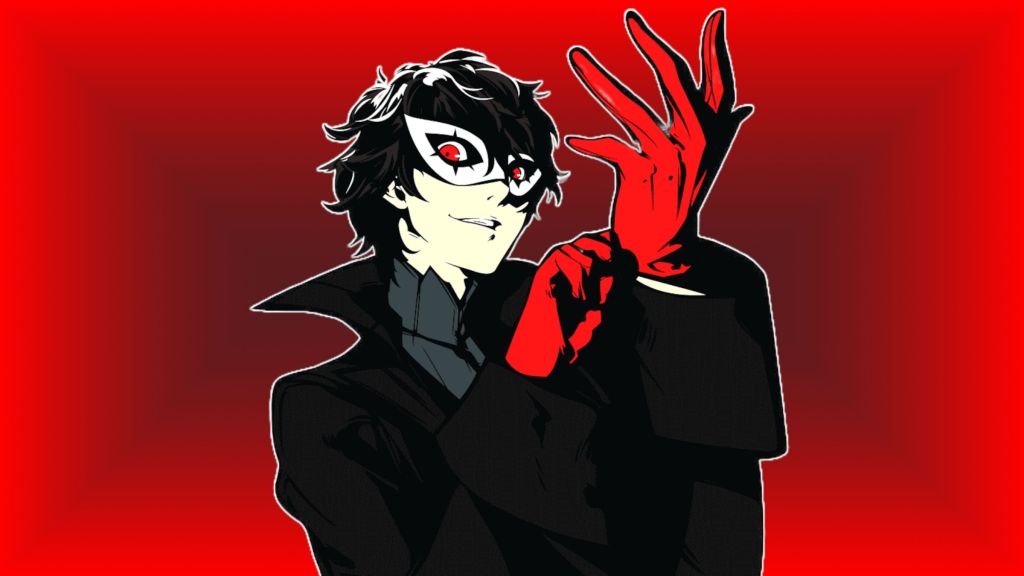
While it doesn’t quite capture the same energy as the game’s stylish turn-based battles, Persona 5: The Animation still delivers the emotional weight of the Phantom Thieves’ story. The characters’ arcs remain compelling, and the slick Tokyo aesthetic blends well with the supernatural undertones. It faithfully covers the events of the game, though the pacing sometimes struggles under the weight of the source material.
The show shines when it focuses on the group dynamic and the moral ambiguity of reforming society through vigilante justice. Even without the game’s interactivity, Ren Amamiya’s journey retains its impact. The animation captures the signature red-and-black visual flair that made the game iconic, offering an enjoyable ride for both veterans and newcomers.
9. Dragon’s Dogma
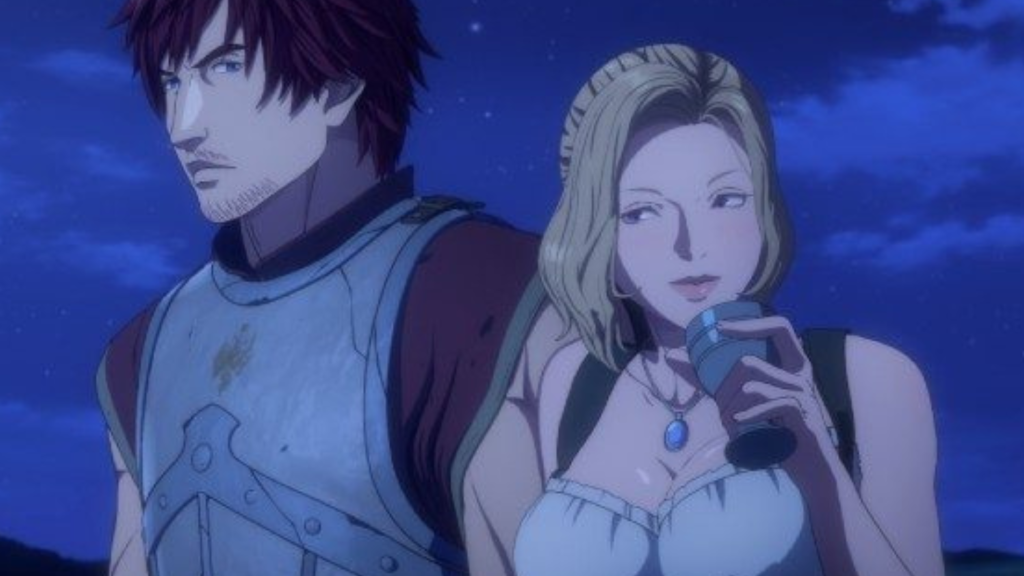
Netflix’s Dragon’s Dogma took creative liberties with Capcom’s dark fantasy world, turning it into an introspective journey through the seven deadly sins. The 3D animation isn’t universally loved, but its world-building is surprisingly thoughtful, painting a grim, unforgiving fantasy setting.
Its episodic structure explores morality and despair through each encounter, elevating what could have been a standard monster-hunting tale. The story’s tragic tone fits the Dragon’s Dogma universe perfectly, even if the adaptation’s visual execution divides fans. It’s a flawed gem that lingers with viewers who appreciate slow, philosophical storytelling.
8. The World Ends With You: The Animation
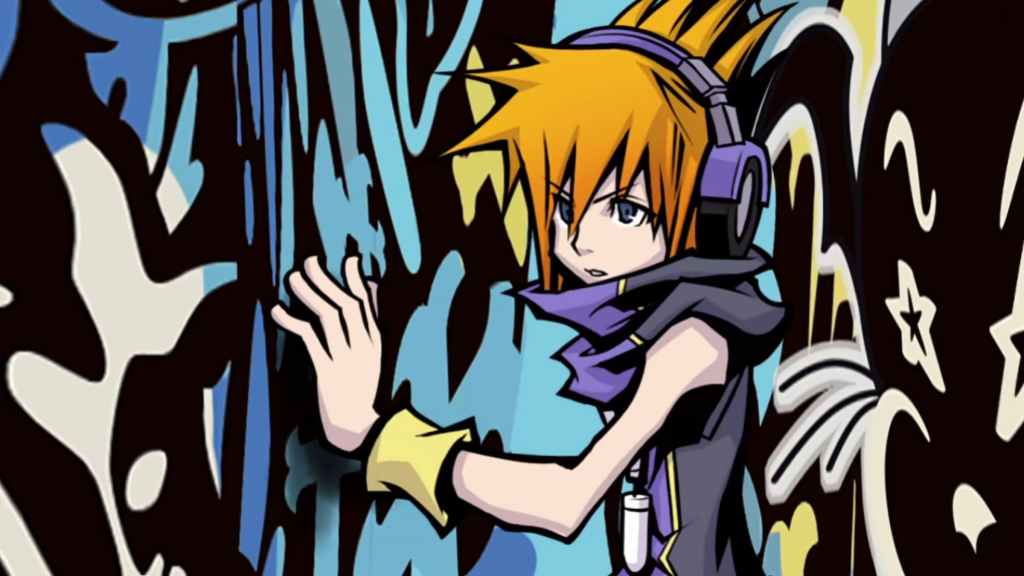
This adaptation brings Square Enix’s cult classic DS game to life with a lively, graffiti-inspired style. The anime compresses the original story into a tight format, which occasionally shortchanges the emotional beats, but the punk energy and Shibuya chaos remain intact.
Protagonist Neku’s character development from isolation to empathy translates well. The soundtrack evokes the urban rhythm of the game, making it feel like a time capsule of 2000s youth culture. It’s an imperfect but heartfelt rendering of one of gaming’s most stylish narratives.
7. Tales of Zestiria the X

Ufotable delivered visual artistry that only they could achieve with Tales of Zestiria the X. The series reimagines and expands the game’s events, blending elements from Tales of Berseria to create a larger mythos. The fluid fight choreography and divine landscapes set a new bar for RPG-based anime visuals.
It diverges from the game’s storytelling in positive ways, focusing more on the philosophical clashes between humans and seraphim. The result is a broader emotional scope and a satisfying cinematic rhythm. It’s a spectacular adaptation in terms of presentation and world-building depth.
6. Pokémon: Origins
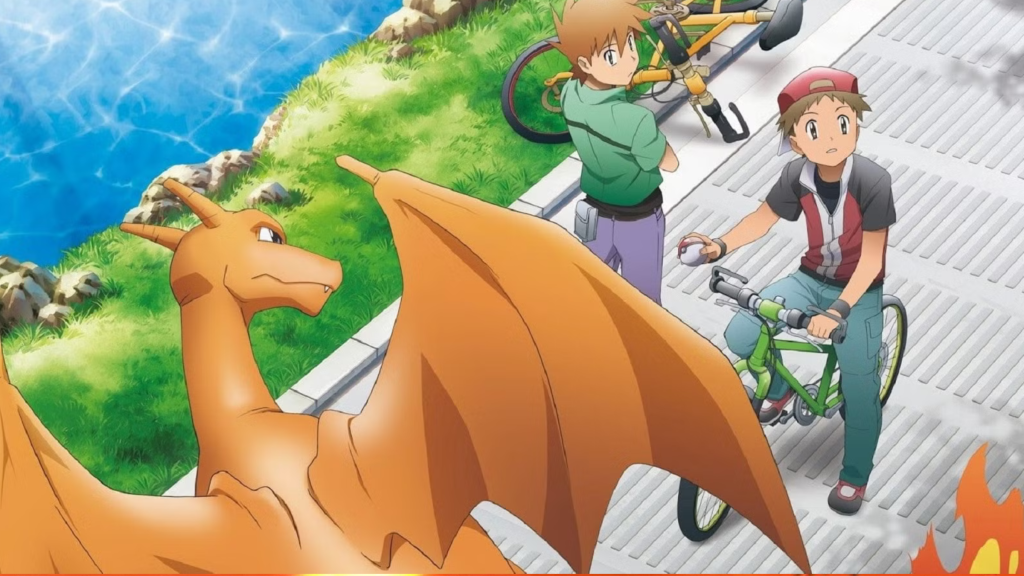
Before Pokémon Journeys and Chronicles, Pokémon: Origins took fans back to where it all began — the world of Red and Blue. Stripped of the franchise’s child-friendly tone, it embraces the spirit of the original games with faithful retellings of classic moments like the Lavender Town arc and the fight against Mewtwo.
The miniseries’ concise storytelling allows it to stay focused and emotionally impactful. It respects the nostalgia while grounding the story in realism and determination. For longtime Pokémon fans, Origins remains the definitive bridge between game lore and anime adaptation.
5. Danganronpa: The Animation
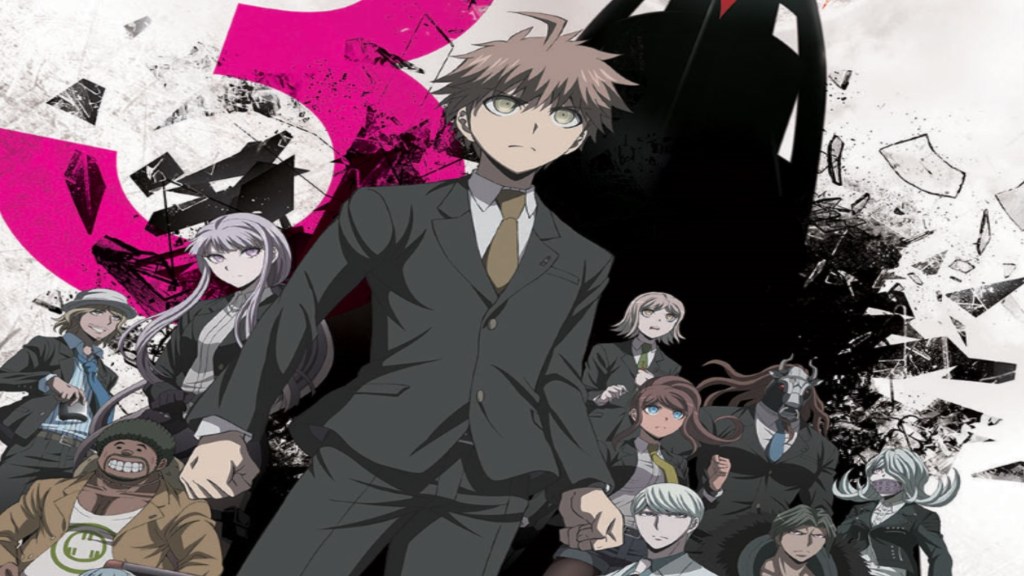
This series captures the twisted energy of the visual novel, complete with wild courtroom showdowns and unhinged characters. The fast-paced tone fits Danganronpa’s absurdity, combining mystery, horror, and dark humor. It’s chaotic, but that chaos feels intentional.
While some fans criticize the rushed pacing, the adaptation’s manic energy mirrors the psychological tension of the game. The visual style, littered with pink blood and neon contrasts, becomes a character in itself. It’s a surreal guilty pleasure that perfectly embodies despair and spectacle.
4. Castlevania
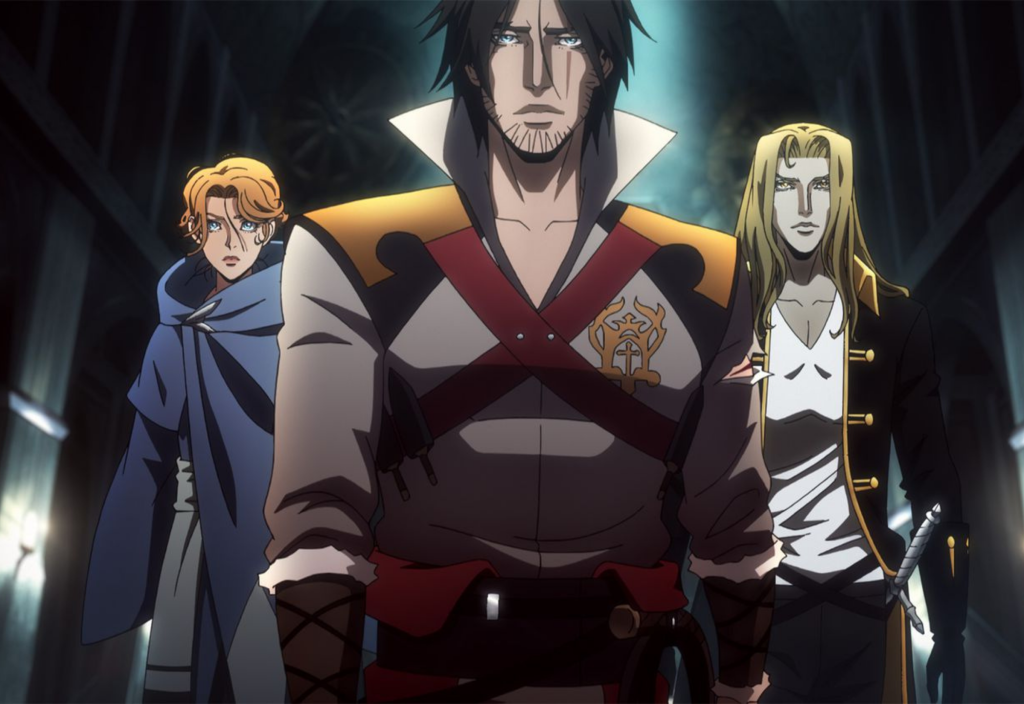
Castlevania redefined what a video game adaptation could achieve. Netflix’s series turns Konami’s gothic action saga into an emotive, violent, and epic narrative. The writing by Warren Ellis grounds the supernatural conflict in humanity, politics, and tragedy.
The animation quality, voice acting, and music combine into something staggering. Trevor, Sypha, and Alucard evolve beyond their game personas, becoming layered, flawed heroes. Castlevania isn’t just faithful—it’s transformative, turning legacy lore into one of the most respected dark fantasy series in anime.
3. Steins;Gate
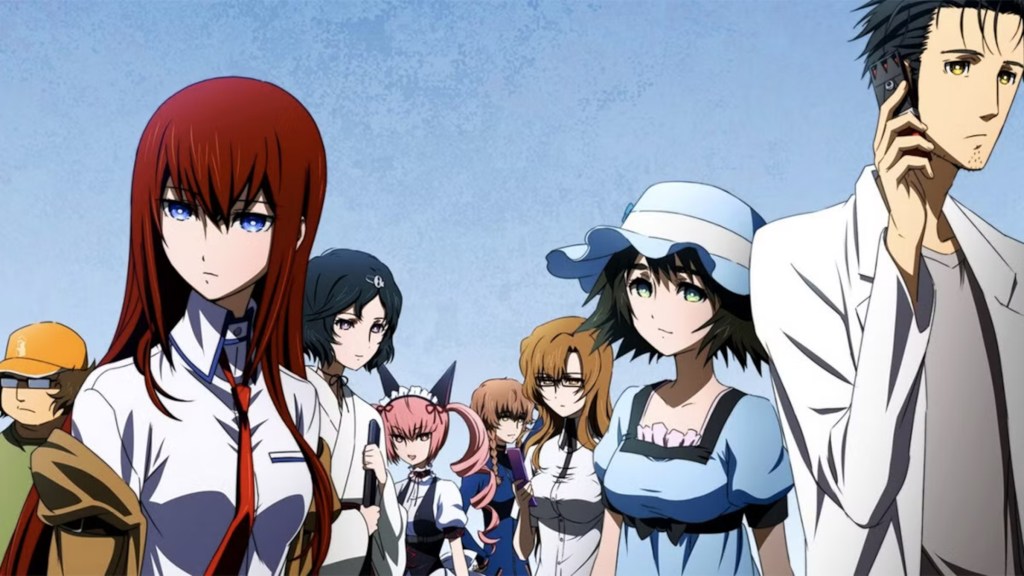
Based on the visual novel from Nitroplus and 5pb, Steins;Gate stands tall as one of the most emotionally complex time-travel narratives ever made. It doesn’t rely on spectacle but on character depth and clever writing. The science-fiction elements feel grounded, and the slow burn leads to a devastating emotional payoff.
Rintarou Okabe’s arc from eccentric “mad scientist” to shattered realist is masterfully handled. It embraces the absurdity of time loops while delivering heart-wrenching consequences. Steins;Gate remains the gold standard for visual novel adaptations, and few have since matched its cerebral resonance.
2. Cyberpunk: Edgerunners
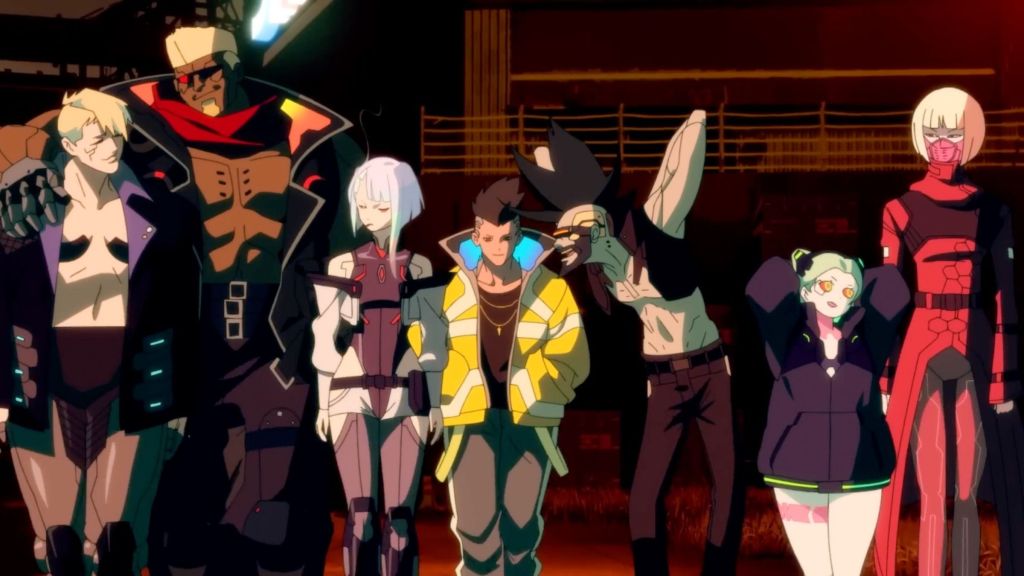
CD Projekt Red and Studio Trigger collaborated to deliver an anime that surpassed expectations. Cyberpunk: Edgerunners turned Night City into a living, breathing character — electric, violent, and tragically alive. Its visuals embody neon dystopia with adrenaline-charged energy.
David and Lucy’s story captures the essence of Cyberpunk 2077’s world better than the game itself. The emotional punch of its finale made it one of the most talked-about anime in years. It’s raw, rebellious, and flawlessly executed — an instant cyberpunk classic.
1. Arcane
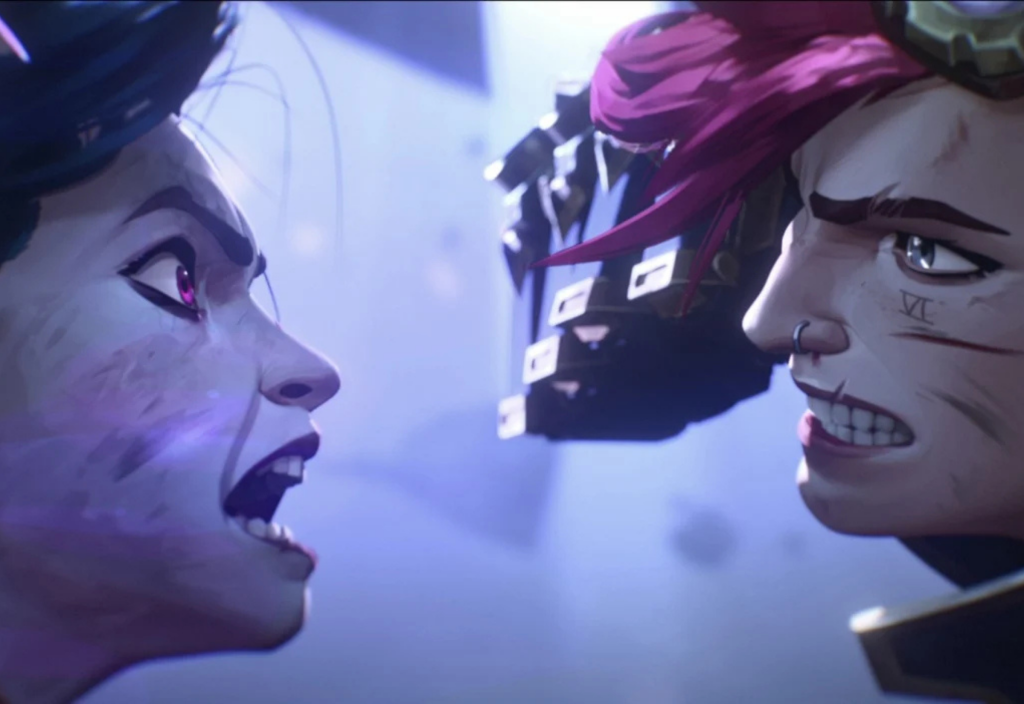
Arcane is based on Riot Games’ League of Legends, but it’s not an “adaptation of gameplay” so much as an adaptation of the universe the game has built up over time. The show pulls from the world’s lore then treats that material like a real setting instead of a backdrop for matches. If you know the game, you get the thrill of recognition and the sense that the show is “making real” pieces of lore you’ve only heard about. If you don’t, it can still work because it’s built like a character-first series with clear stakes, not an inside-joke victory lap. That’s the smart way to do game-based animation
What do you think? Leave a comment below and join the conversation now in the ComicBook Forum!
Most Viewed
-

Courtesy of Sony Pictures Animation / McDonald's