Anime villains are often some of the most complex and compelling characters in their respective stories, driven by tragic backstories, misguided ideals, or circumstances beyond their control. Many villains are victims of their environment or upbringing, and given the right circumstances, they could redirect their talents, intelligence, or strength toward a more positive purpose.
Videos by ComicBook.com
Redemption arcs aren’t just for the villains themselves. They add depth to the storyline and challenge the audience to grapple with the complexities of morality. While not every villain deserves redemption (some are irredeemably cruel or self-serving), many could use a second chance to prove that even those who fall into darkness can rise again, making their journey as meaningful as the heroes they oppose.
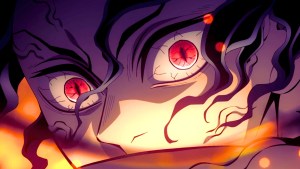
7. Griffith (Berserk)
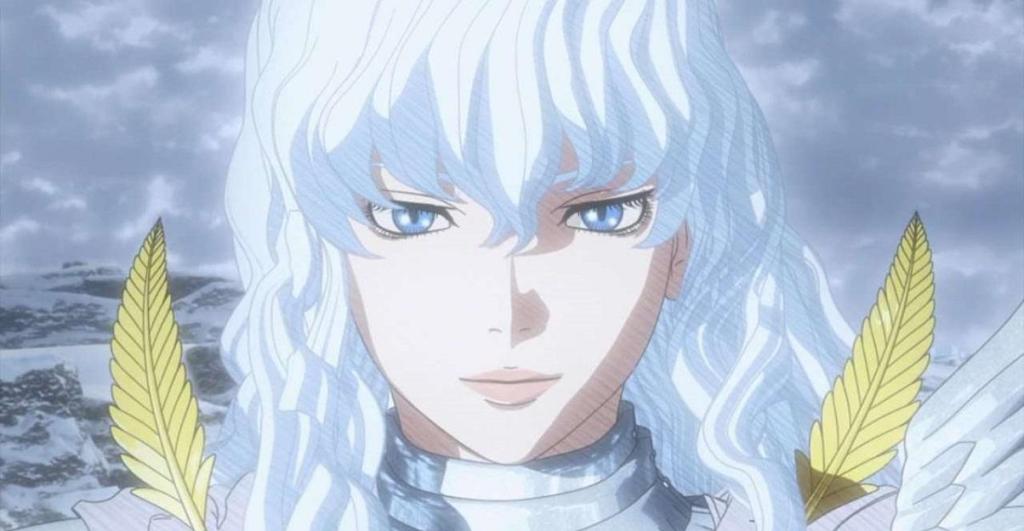
Griffith’s betrayal in Berserk marks one of anime’s most unforgivable acts — sacrificing his comrades from the Band of the Hawk to become Femto. But before his fall, Griffith was an idealist, striving to create a world free of the constraints that crushed his dreams. His ambition wasn’t born of malice but of desperation and disillusionment after years of toil and imprisonment.
A second chance doesn’t mean absolution — it would mean confronting what he became. Griffith’s tragedy is that he could have been a great leader, even a hero, had he not succumbed to the darkness within. In another life, his brilliance could’ve built the very utopia he once sacrificed everything for.
6. Meruem (Hunter x Hunter)
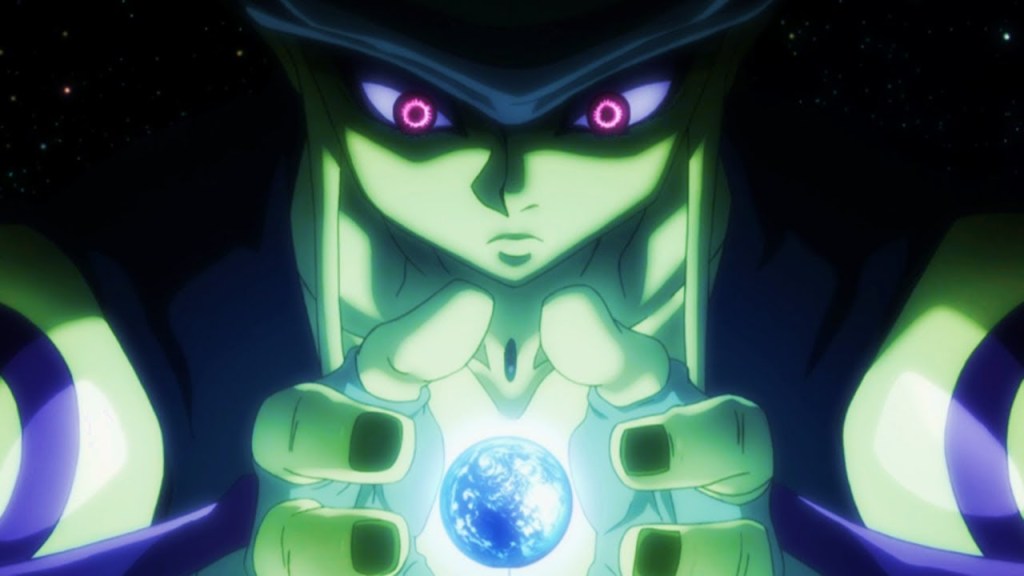
Born as a monster, Meruem was never given the luxury of morality. As the Chimera Ant King, his purpose was domination — a role hardwired into his being. Yet through Komugi, a blind human girl, he discovered compassion, humility, and the meaning of coexistence. His eventual acceptance of humanity’s worth marked a profound evolution for a creature born to see humans as inferior.
Had he lived longer, Meruem could have bridged species, reshaping both the human and Chimera worlds. His death felt like the extinguishing of an ancient question: can something born in cruelty find purity? Meruem’s final moments proved that even monsters can learn to love, and perhaps that deserved a second act.
5. Nagato / Pain (Naruto: Shippuden)
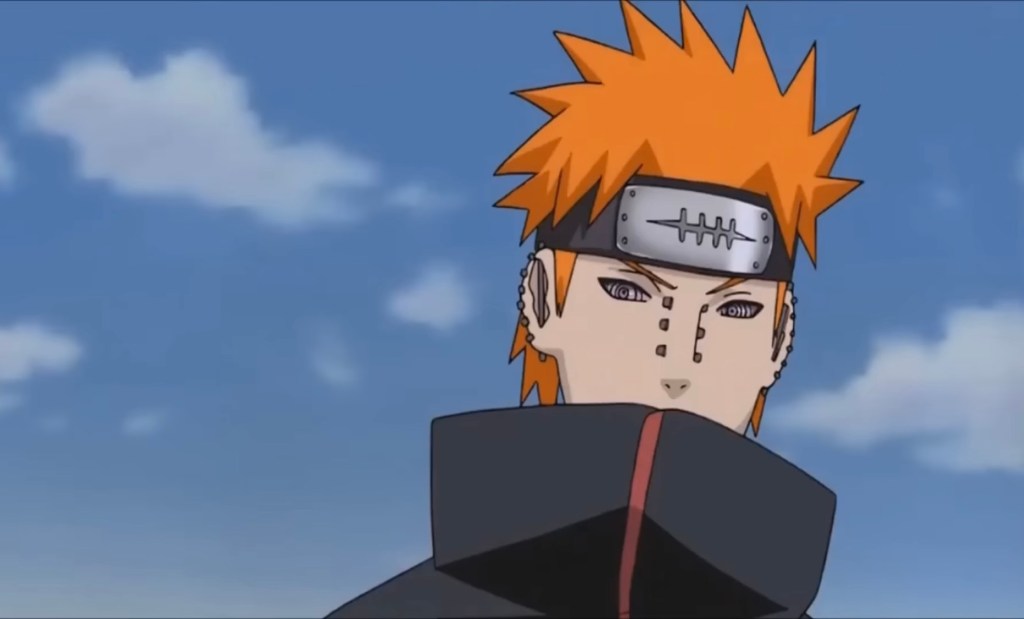
Nagato’s transition from an idealistic war orphan to the nihilistic “Pain” was born from relentless suffering. Every mentor, every friend, every seed of hope was torn away by the endless brutality of the shinobi world. His philosophy — peace through shared pain — wasn’t entirely wrong, only tragically executed.
If given a second chance, Nagato could have become precisely what Jiraiya envisioned: a true prophet of peace. Few anime antagonists embody the blurred morality of victim-turned-villain as deeply as Pain does. Redemption wasn’t beyond him — and, in a way, his final act of resurrecting the villagers hinted that he wanted it all along.
4. Scar (Fullmetal Alchemist: Brotherhood)
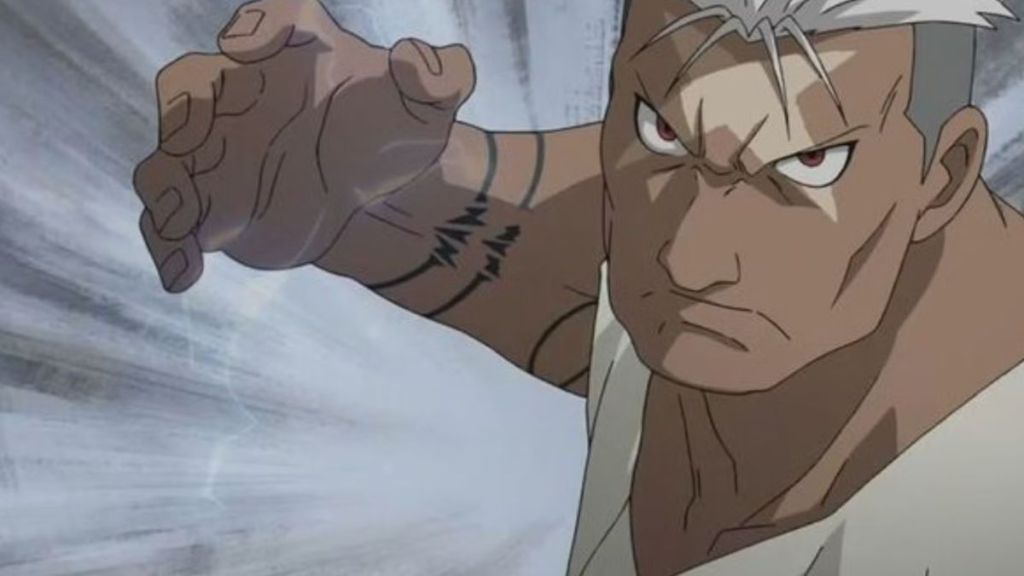
Scar began as an instrument of vengeance — a survivor of genocide cutting down State Alchemists in cold blood. But beneath his rage was the grief of losing his people, his family, and his faith. The cruelty of Amestris made Scar what he was: a mirror reflecting the sins of an empire that justified murder in the name of progress.
His eventual shift from vengeance to justice proves he was never wholly villainous — only misdirected. Scar’s mastery of both destruction and creation makes him the perfect symbol of balance. Given another chance, he could serve as the conscience that Amestris always needed — a reminder that redemption starts with acknowledgment, not denial.
3. Stain (My Hero Academia)
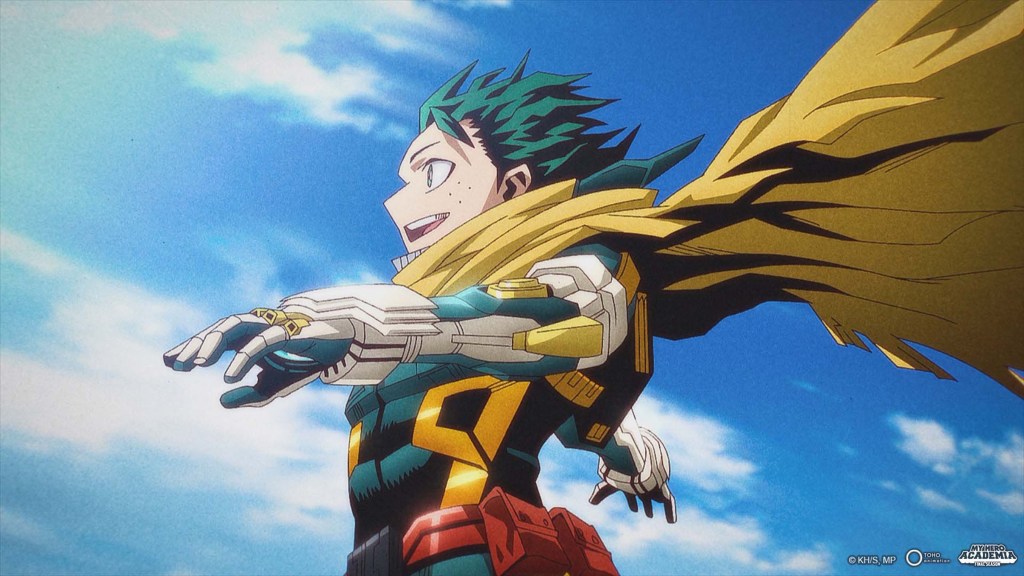
The “Hero Killer” Stain was terrifying, but undeniably right about one thing: the hero society had lost its soul. His ideology, though tainted by violence, came from a place of moral conviction — a belief that the commodification of heroism was corrupting what it meant to save others. His killing spree wasn’t senseless; it was a radical protest against a broken system.
Rehabilitation, not annihilation, would make Stain’s message far more powerful. He could become the voice that reforms the hero industry from within. His methods were abhorrent, but his ideals had integrity — and in a world of false heroes, that truth deserves not punishment, but renewal.
2. Obito Uchiha (Naruto: Shippuden)
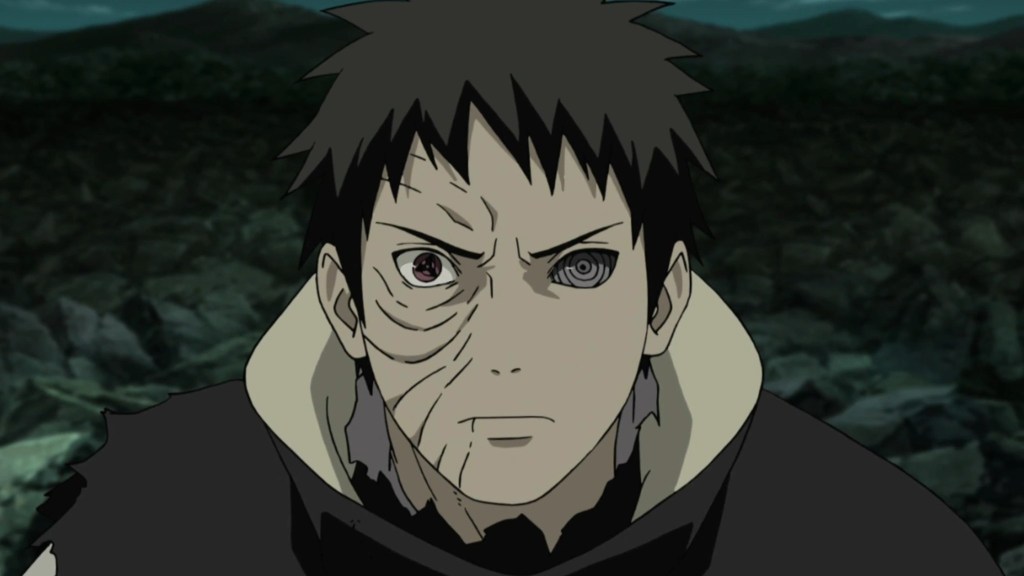
Obito’s downfall is one of the most heartbreaking in anime. Once a clumsy, compassionate ninja dreaming of peace, he spiraled into despair after losing Rin and seeing the shinobi system’s inherent cruelty. Manipulated by Madara, he adopted nihilism to justify countless atrocities. Yet beneath the mask of evil remained a boy grieving a world that broke him.
When Obito ultimately sacrifices himself for Naruto’s cause, he proves that redemption — even for mass murderers — is possible through truth and self-awareness. A second chance wouldn’t just serve Obito; it would serve everyone disillusioned by endless cycles of hatred. He was, in many ways, the world’s greatest believer and its most tragic cynic.
1. Eren Yeager (Attack on Titan)

No character embodies moral complexity like Eren Yeager. From freedom fighter to genocidal god, his transformation was a horrifying yet understandable response to a world built on oppression, fear, and revenge. Eren didn’t become evil overnight — he evolved into what his environment demanded for survival.
But beneath all that fury was still the boy who wanted to see the ocean. Eren’s actions are indefensible, yet his motivations reveal a profound yearning for liberation — for himself, for his friends, and for the oppressed. A second chance for Eren would mean rewriting a cycle of vengeance that humanity never learned to break. He doesn’t need forgiveness. He needs the world to finally understand why he couldn’t stop.
What do you think? Leave a comment below and join the conversation now in the ComicBook Forum!
Most Viewed
-
Image courtesy of Warner Bros. Pictures -

image courtesy of Studio Ghibli