One-Punch Man shouldn’t work as a serious story, yet somehow it does. The show toys with the idea of ultimate power and the boredom that comes with it, creating a strange tone that’s both hilarious and existential. Still, it often feels like it’s running on the gas of its own joke. When every battle ends in the same instant, the narrative risks becoming meaningless no matter how flashy the buildup looks.
Videos by ComicBook.com
There’s also this lingering sense that the show doesn’t always know what it wants to be. It’s equal parts satire, action epic, and melancholic character study, but those gears don’t always click together neatly. Sometimes it goes for humor when emotional depth is needed, other times it leans into drama right after mocking the concept itself. One-Punch Man thrives in its unpredictability but occasionally feels trapped by its own genius idea.
7. The Sea King and the Power Gap

The Sea King battle showed how uneven the power scaling in One-Punch Man can be. The hero was portrayed as an unstoppable monster who destroyed A-Class and S-Class heroes with ease. Yet, when Saitama appears, he obliterates Sea King with one hit, making every prior effort feel pointless. The sudden shift made it seem like the series ignored any reasonable balance between strength levels for dramatic effect.
What makes this worse is how the show treats the event afterward. The Sea King’s defeat has zero long-term impact on the Hero Association’s perception of Saitama. No one learns anything, and heroes gain nothing. The narrative builds tension beautifully, only to instantly erase it. It’s thrilling to watch, but it breaks its own rules in the name of comedy.
6. Genos Still Not Learning Anything
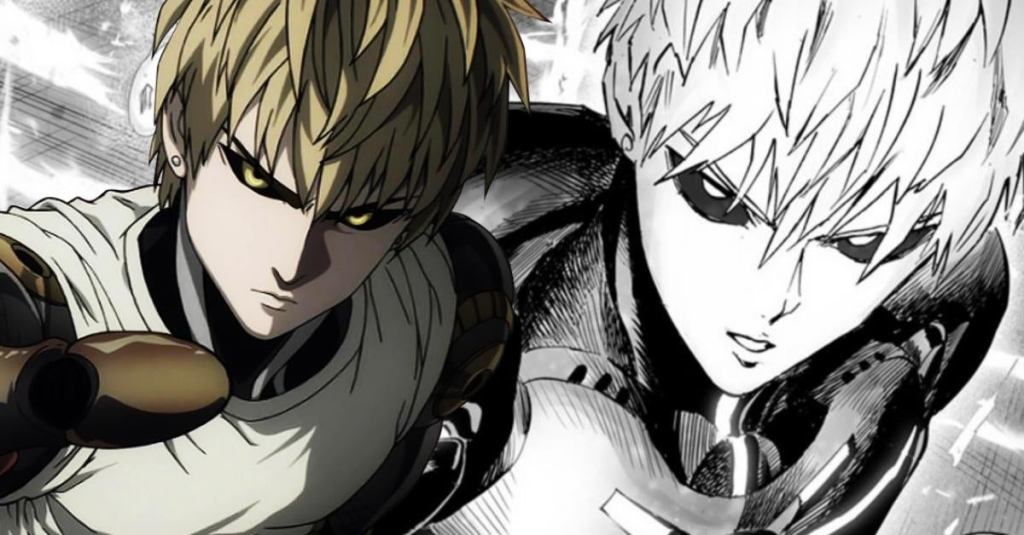
Genos gets demolished every time he fights something beyond a mid-tier threat. His upgrades never seem to mean much, which makes his entire quest for revenge feel hollow. Despite being a top-tier cyborg with constant enhancements, his power curve barely shifts. He’s caught in a pattern of fighting, losing, and getting rebuilt without any real development.
The issue is consistency. The show positions Genos as a symbol of determination, yet he learns nothing from failure. You’d expect a high-intelligence cybernetic fighter to evolve strategically, but he charges headfirst every time. His fights look spectacular, but his lack of growth makes his journey stagnant and frustrating to follow.
5. The Hero Association’s Ridiculous Rankings
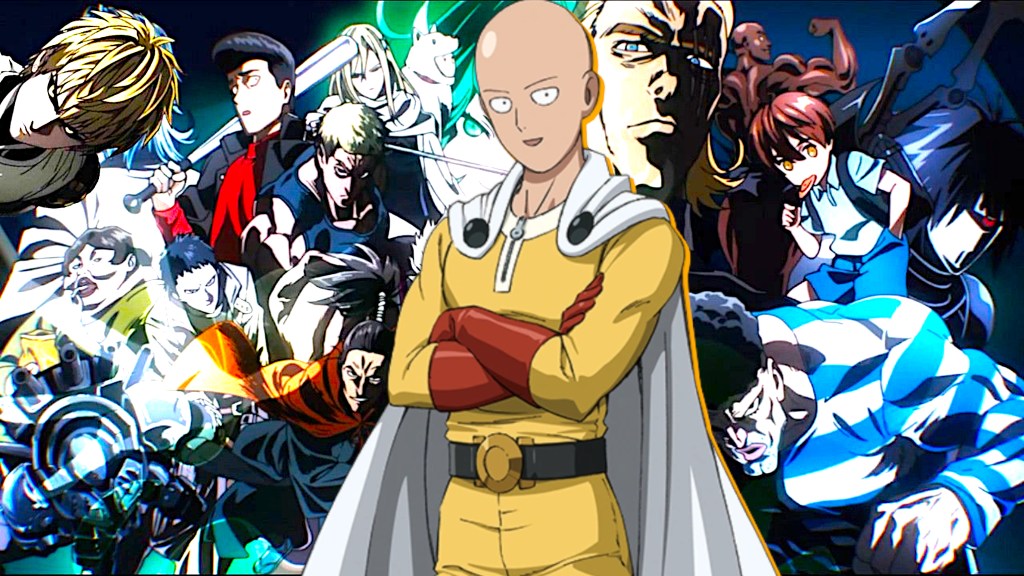
The Hero Association’s ranking system never makes full sense. Saitama barely scrapes into Class C despite saving the world multiple times, while flashy, weaker heroes get promoted for public image. The division between power and popularity feels designed for satire, but it still clashes with how the narrative treats “strength” as the ultimate value.
Instead of rewarding results, the Association reinforces bureaucracy and nonsense. It’s a smart criticism of fame culture, yet it often undercuts the stakes of each fight. When viewers see Saitama win and still be ignored, it stops being commentary and starts being repetitive. The system works as a joke, but not as a world-building device.
4. Saitama’s Strength Limits Never Matter
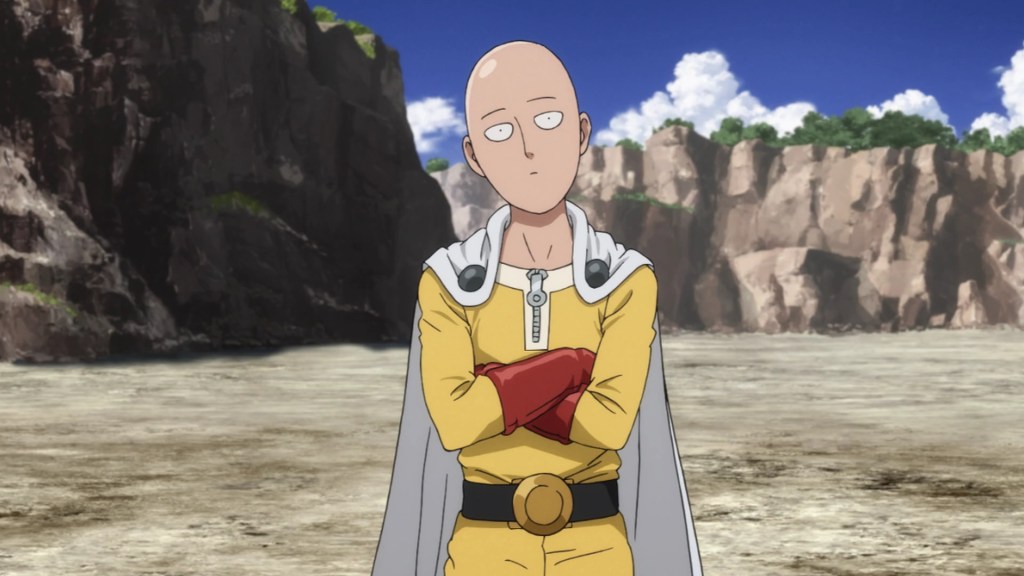
The show insists Saitama got his powers through a mundane workout, yet no one—including the writers—can justify how infinite strength sprouted from push-ups and jogging. It’s obviously meant to be absurd, but that doesn’t explain why his power lacks any measurable boundary. If he’s unbeatable, tension dies instantly.
Saitama’s limitless strength becomes a storytelling trap. Every potential threat ends up irrelevant because his power never truly gets tested. That might be the point, but when even cosmic-level opponents fall instantly, the narrative feels directionless. The joke wears thin once you realize there’s no scenario where he actually struggles.
3. Garou’s Ever-Shifting Morality
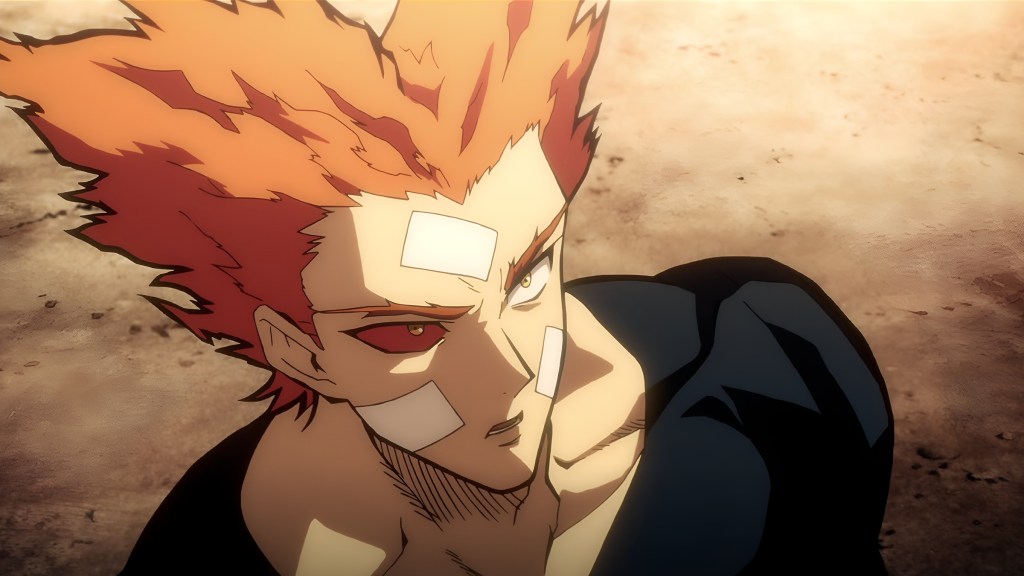
Garou’s moral compass flips more often than his combat stance. He’s a villain, antihero, and philosopher within the same arc, and none of it feels consistent. His obsession with being the “monster who defeats heroes” loses credibility when he starts saving people mid-fight. The series tries to make him complex, but ends up making him confusing.
There’s a strong idea underneath—society breeds its own monsters—but the execution feels tangled. Garou’s transition from brutal killer to anti-establishment symbol happens too fast, making it hard to truly buy into. He’s fascinating, yet his motivations bounce around like someone rewriting his character on the fly.
2. The Monster Association Arc’s Never-Ending Chaos
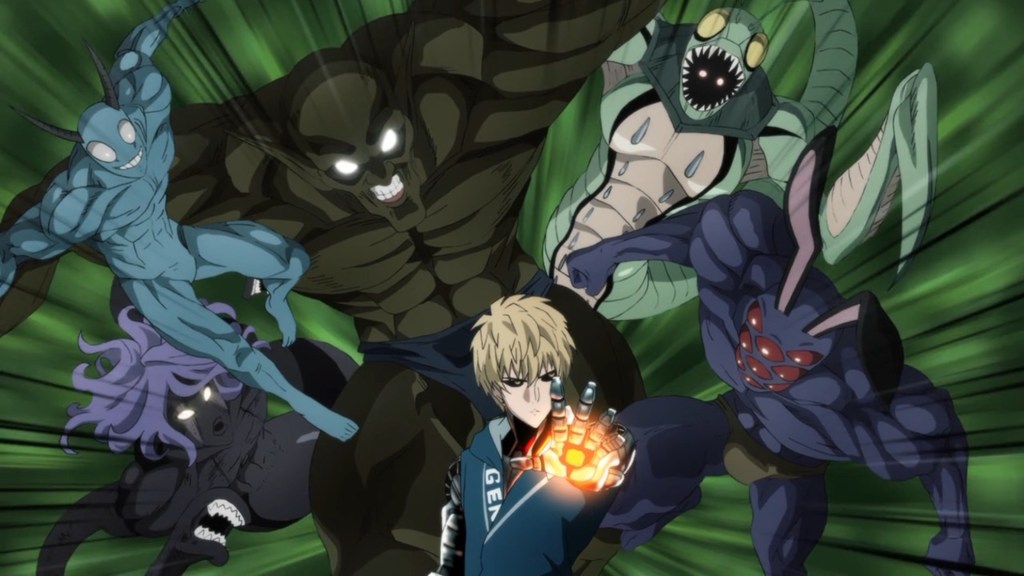
The Monster Association arc drags on with too many subplots and inconsistent pacing. For an arc filled with jaw-dropping battles, it somehow dilutes its own intensity by jumping between too many characters. Every time the story builds momentum, it’s interrupted by a comedic side moment or filler encounter.
The problem isn’t length but focus. The arc aims to showcase worldbuilding but forgets to push the narrative anywhere meaningful. It’s all spectacle with minimal payoff. Saitama barely factors in, which leaves fans unsure why they’re watching half these fights. The imbalance between comedy, philosophy, and carnage never fully clicks together.
1. Saitama’s Lack of Consequences
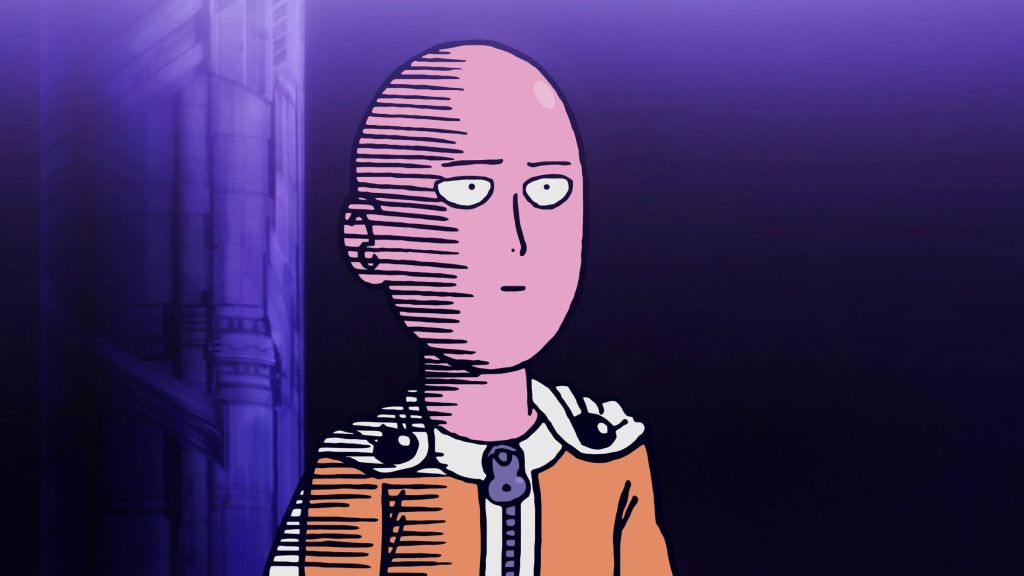
The biggest contradiction in One-Punch Man is that Saitama’s invincibility removes any stakes. His victories don’t evolve him, the world doesn’t truly change around him, and every resolution resets to zero. Viewers know he’ll win every fight, which strips the action of suspense. It’s funny, but dramatically hollow.
Saitama’s power should at least force emotional consequences, yet the story sidesteps that. He remains bored, isolated, and directionless — forever unbeatable yet stuck in the same loop. The show cleverly mocks shonen tropes, but it sometimes forgets to replace them with anything meaningful. You laugh, but you also realize nothing ever truly matters afterward.
What do you think? Leave a comment below and join the conversation now in the ComicBook Forum!
Most Viewed
-

Image courtesy of The Pokemon Company -
Image Courtesy of A-1 Pictures -

Image courtesy of Lucasfilm -

Courtesy of ComicBook -

Courtesy of Crunchyroll