Crossovers have long been a comics staple. Pretty much every publisher you can think of has stories and series that sees characters from different stories and universes — both within the publisher’s line and even from other publishers — jumping into the fray to take on threats and challenge or, sometimes, even cause them. The comic book crossover used to be a fun and novel thing, something that happened occasionally and usually had some sort of genuine purpose behind it but now, it seems like crossover events are happening more and more regularly. Worse, those more frequent crossovers are often less about the actual stories being told and more about the “shock” value.
Videos by ComicBook.com
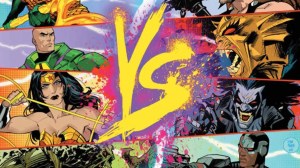
All too frequently, comic book crossover events have become about the gimmick and the biggest — and most recent — example of this is DC K.O. While the DC K.O. story is itself interesting with the event featuring a fighting tournament where heroes and villains face off, bracket-style to compete so that they can become powerful enough to stop Darkseid, it’s a crossover that’s part of the event that is just too much. There’s always the question of where the line is where a gimmick goes too far and we’ve reached that point and comics are suffering because of it.
Superman Doesn’t Need to Fight Homelander (That’s What Fanfic Is For)

The idea of the heroes of the DC Universe having to compete to stop Darkseid is actually a pretty clever idea. Darkseid is a major Big Bad for DC and is a real threat that finding new and interesting ways to deal with is something that actually makes sense. But the upcoming DC K.O.: Boss Battle #1 just goes too far with it, taking the idea of with the fighters needing even more Omega Energy, they just bust out of DC and go to other franchises — including those in other publishers — to get it. The conceit here is that they’re going to drag other super popular characters into things.
But for what? Sure, the obvious answer here is readership and money, but what value does it have to the story? One could argue that it probably doesn’t have much and is, outside of the business aspect of it all, just fan service. We know that Mortal Kombat’s Sub-Zero, Vampirella, Red Sonja, and Samantha from Beneath the Trees Where Nobody Sees are going to show up. Those are already weird enough, but Annabelle from The Conjuring? That one makes no sense. And then of course we’re getting Homelander who is giving into the “what would happen if Homelander and Superman fought” fan service of it all. And, frankly, there’s no value in it. Nothing about Homelander and Superman is actually going to be settled in this one-shot. It’s not going to suddenly become important canon. Homelander isn’t going to end up going on to become the hero of the DC Universe in this story. It’s just a gimmick. It doesn’t need to happen. More than that, though, no matter what happens in the fight between Homelander and Superman, fans won’t be happy. There will be some fans who think Homelander should destroy Superman while some will think the opposite. This is why the two superpowered beings don’t need to face one another in any official capacity. Let them take it to fan fiction. It’s more fun there anyway.
Crossover Gimmicks Hurt Good Stories More Than They Help
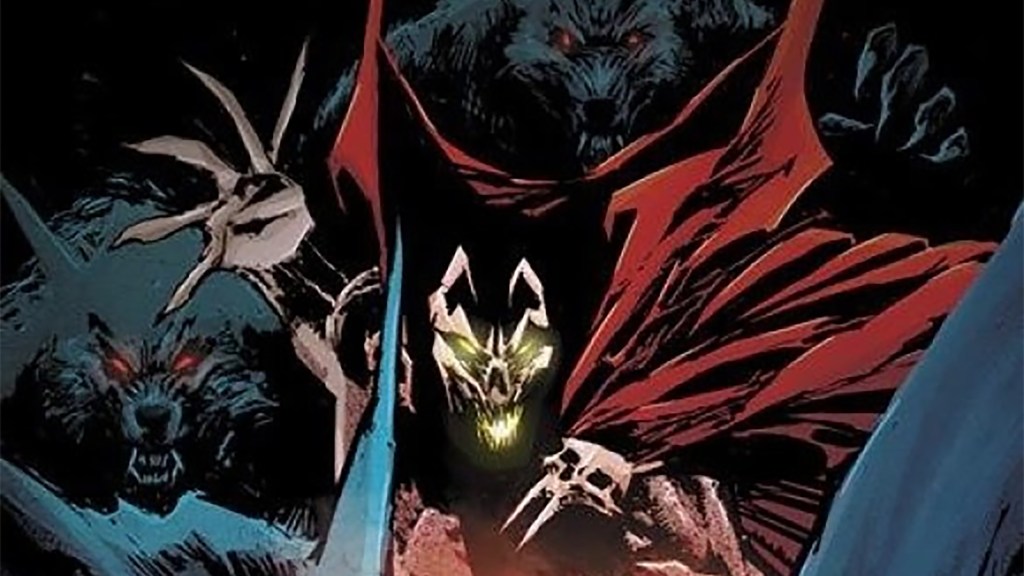
While DC K.O.: Boss Battle #1 is an example of a gimmicky crossover that is likely just harmless fan service, that’s also not always the case. Sometimes crossovers can completely change otherwise solid series — and not in good ways. An example of that is Killadelphia. The Image Comics horror series was, up until issue #31, one of the more grim and interesting horror series in comics, centering around beat cop James Sangster Jr. who had to try to put an end to a vampire revolution that was led by the second president of the United States, John Adams. It was a series that delved into America’s dark racial history and was both bloody and chock full of wild horror but was also deeply introspective and forced readers to sit with the discomfort of genuine American history. Then, out of nowhere in issue #31 the series brought in all kinds of characters from the larger Image universe, including Spawn and Savage Dragon. Blacula and Dracula showed up, too.
It was, in a word, weird. This isn’t to say that there isn’t some cool aspects of bringing Blacula and Spawn into Killadelphia, but it also doesn’t actually fit the story. Until that point, Killadelphia was a story contained in its own universe with very much its own lore. Mixing things up, even in a well-executed way, made things less “Killadelphia” and felt like we were getting further and further away from any real resolution. It was especially disappointing after we’d already gotten an expansion of the universe with the spinoff series Nita Hawes Nightmare Blog.
It also may have derailed the series. The last issue of the series (to date) was issue #35 that was published in August 2024. Issue #36 was supposed come out on September 25, 2024, but was marked as being canceled by the publisher. While series writer Rodney Barnes has said on social media that the issue will come out in 2026, there hasn’t been any official announcement of that. The reason for issue #36’s cancelation or delay has never actually been revealed, but one also can’t help but speculate that the strange crossover didn’t help.
Crossovers Can Be Fun, But They Aren’t Necessary
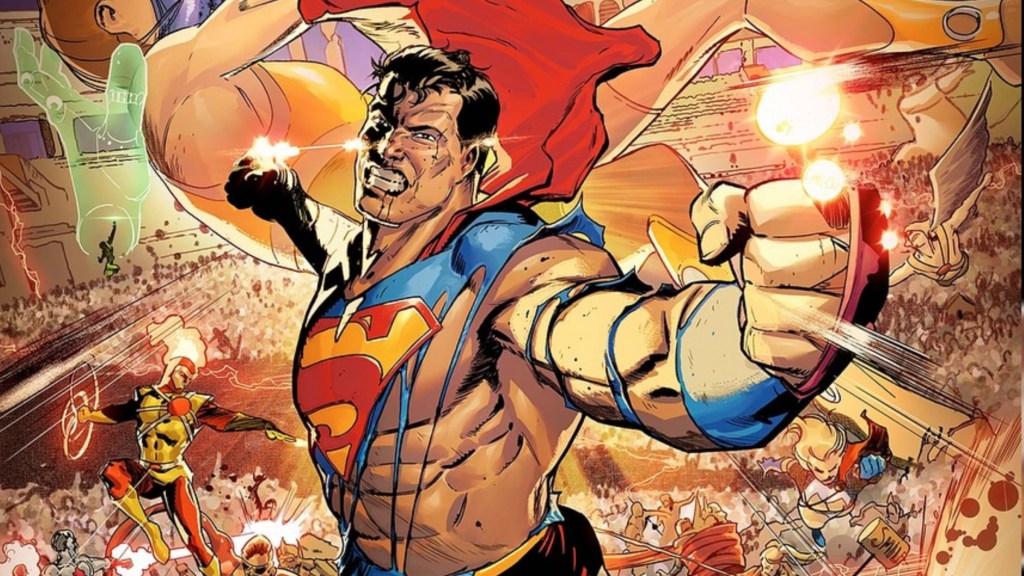
As I said at the start, crossovers have long been a staple of comics. When done well they can be fun. They work best when they’re done sparingly and when they’re done with purpose. Bringing together disparate characters from across a publisher that have a reason to cross paths makes sense — different eras of DC heroes coming together, for example, even revisiting the Marvel/DC crossovers to an extent makes sense. But when we just start tossing in high profile characters as fan service and turning everything into a gimmicky cash grab, it devalues the concept. If everything becomes possible, nothing is special or unique anymore. It also takes away from better stories that can be told than merely dropping popular characters together to see what happens. Simply put, comics are better off when they rely less on gimmicky crossovers. There are far better stories to tell.
What do you think? Leave a comment below and join the conversation now in the ComicBook Forum!
Most Viewed
-

Courtesy of Shueisha / Kadokawa / Square Enix / Shogakukan