Comic book events are one of the best parts of shared superhero universes. When they work, they’re celebrations of numerous characters and the mythos that have been built together over the course of years. Some of Marvel’s most memorable and beloved comics of all time are events, like Infinity War and Siege. Even when comics don’t directly advance the story of an event, most of the time, ongoing series will connect to it through tie-in issues. Events shape the comic book landscape, often introducing new complications or plot directions for characters to follow for months or years. Of course, that strength is also a weakness.
Videos by ComicBook.com
Events that work are some of the greatest achievements in comics, but sometimes, regardless of quality, their very nature can be disastrous for a hero. Case in point, a major new event called “Death Spiral” is connecting Spider-Man, Venom, and Carnage. It finds the three at pivotal points in their lives, struggling to hold themselves together, only for the inevitable shoe to drop and drag them into a major fight. The opening issue, Amazing Spider-Man / Venom: Death Spiral, is out and promises a very interesting and engaging story, but it also caused a major problem. This event forced the best Spider-Man story in years to end early.
Spider-Man From Space to Earth
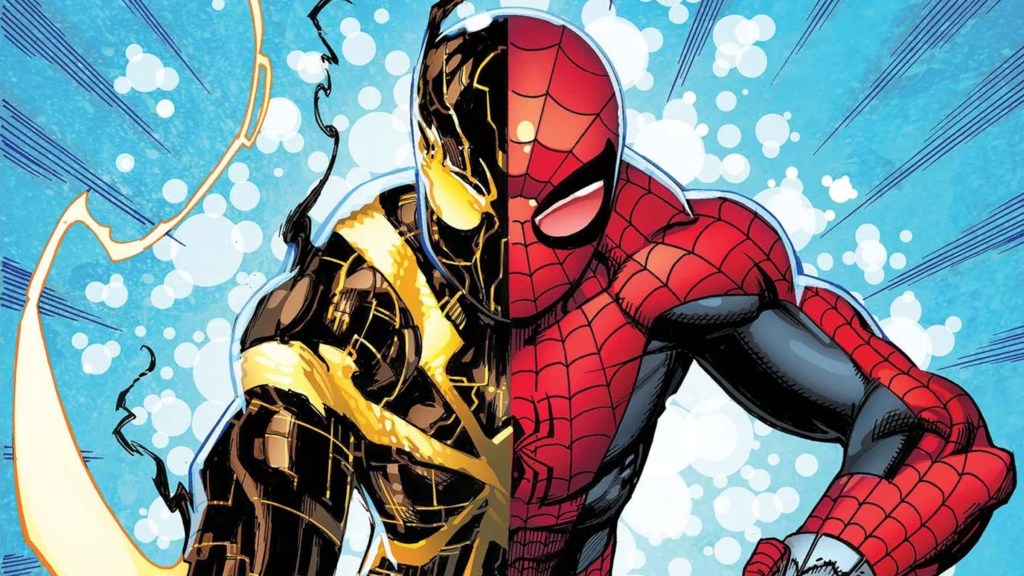
Joe Kelly’s ongoing run on Amazing Spider-Man (2025) saw Peter engage the impossibly strong Hellgate. When Spider-Man lost, Hellgate stranded him on a distant planet, and with the friendly neighborhood hero gone, Norman Osborn stepped up to keep the Spider-Man mantle alive. Lost in the stars, Peter went on a journey of self-discovery to learn how to become stronger, while Norman tried to overcome his past and worst impulses to be the hero that New York City needed. It was Spidey’s biggest status quo change since the Superior Spider-Man saga, and it was definitely exciting. Norman learned to act like the hero Peter thought he could be, and Peter rediscovered his inner strength after being broken.
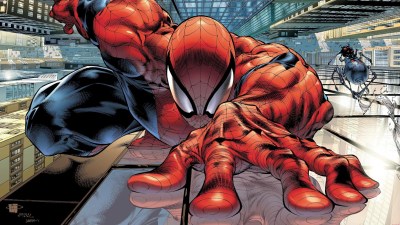
The new status quo was genuinely a great step away from the usual Spider-drama and gave us new perspectives on Peter and Norman. However, as great as this set-up was, the inevitable return to the normal standard felt rushed. It felt like Peter and Norman were both finally growing into their roles when they were abruptly ended. We never got to flesh out Peter’s interstellar crew as much as we should have, and Norman’s struggles to be a hero were reaching a very interesting point when Peter returned. The ending of both of these storylines was still very good, but they never reached the heights the opening issues promised, and the biggest reason, in my opinion, is “Death Spiral.”
The Pros and Cons of Crossovers
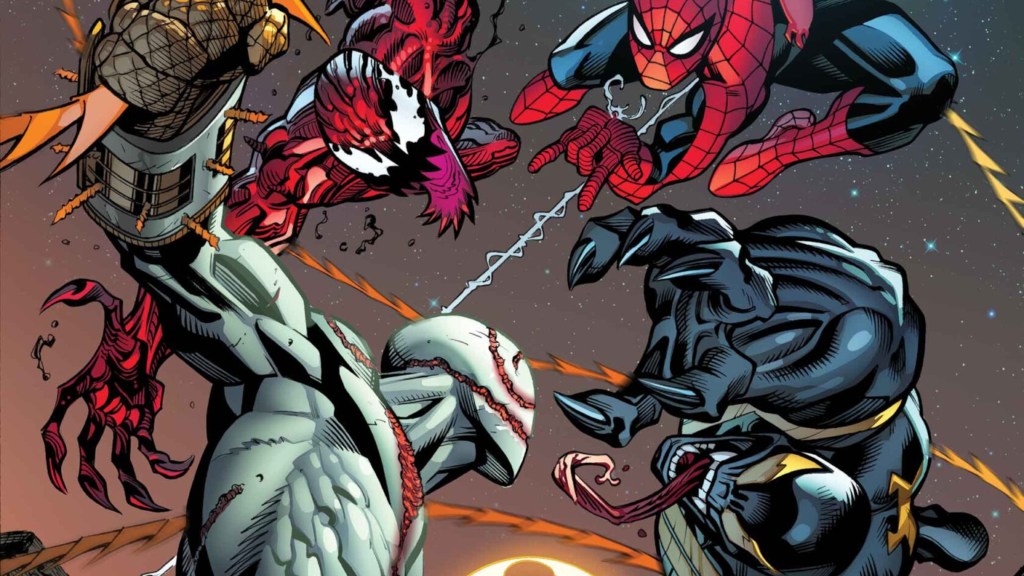
Peter and Norman’s arcs both could have used a few more issues to fully flesh out and deliver on what they promised, but that was never an option, as Peter needed to be back on Earth for “Death Spiral.” The plot requires Peter to be present and has been built up to in both the ongoing Venom and Eddie Brock: Carnage series. Neither series can afford to delay this arc any longer, so “Death Spiral” has to happen now, but it comes at the cost of rushing Spidey’s space arc. “Death Spiral” has clearly been planned for quite a while, so it’s not like Kelly suddenly had to change everything, but it still put a restriction on his story.
This is far from the first time something like this has happened. Comic book events often overtake currently ongoing stories. Even if they don’t force arcs to end quickly, they can very well force two or three tie-ins, which basically put the main plot of the book on hold for months for little to no impact. Comic book events provide a great way to connect multiple characters, but they can also drag characters into unnecessary situations that make their own stories worse. It’s basically sacrificing an individual’s story for a group story, without care for the quality of either.
This is obviously not to say that events are bad. Events are one of the best parts of comics, but they can also cause damage to individual stories and runs. Comic book events need to be approached carefully to ensure that they bring out the best in every series attached to them. They can be the best stories ever or the worst, but it’s always unfortunate when a great story suffers because of an event. Spider-Man’s story is just one of many, and while “Death Spiral” looks very exciting so far, I’m still left wondering what could have been.
What do you think about the nature of events and individual runs? Leave a comment below and join the conversation now in the ComicBook Forum!
More Comics
-
Image Courtesy of Marvel Comics -
Image Courtesy of DC Comics -
Image Courtesy of Marvel Comics -
Image Courtesy of Marvel Comics -
Image Courtesy of DC Comics -
Image Courtesy of Marvel Comics
![Forget Spooky Season, IDW Is All About Godzilla Season With Some Huge Upcoming Releases (& We Have the First Look) [EXCLUSIVE]](https://comicbook.com/wp-content/uploads/sites/4/2026/09/idw-godzilla-exclusive.jpg?w=300)