
Captain America is having another one of those periodic periods of excellence thanks to Chip Zdarsky and Valerio Schiti. It’s been happening every couple of years in the 21st century. Cycles of great Cap comics come out when a particularly inspired creator gets their hands on the character and rattles off a masterpiece. The late ’90s and early ’00s were surprisingly good time for the hero in this respect. The aborted Waid/Garney run of Captain America was started again in 1998, leading to Waid teaming up with Andy Kubert, then Dan Jurgens coming over and giving readers some great stories. This led us into 2001, when 9/11 happened. Captain America needed to change, so Marvel moved the book to the Marvel Knights line.
Videos by ComicBook.com
Captain America (Vol. 4) kicked off with one of the best Captain America stories ever, and went from there. Captain America (Vol. 4) #17-20 took things in a different direction from what came before. This volume of Cap was much more grounded than the book had been previously, but this four-issue story changed that. Titled “Cap Lives”, this story took readers to an alternate universe where the Allies lost WWII after Cap disappeared. He is found by Nazis and brought into a USA ruled by the Red Skull. What follows is one of the greatest Captain America stories you’ve never heard of.
“Cap Lives” Is an Amazing Captain America vs. Red Skull Story
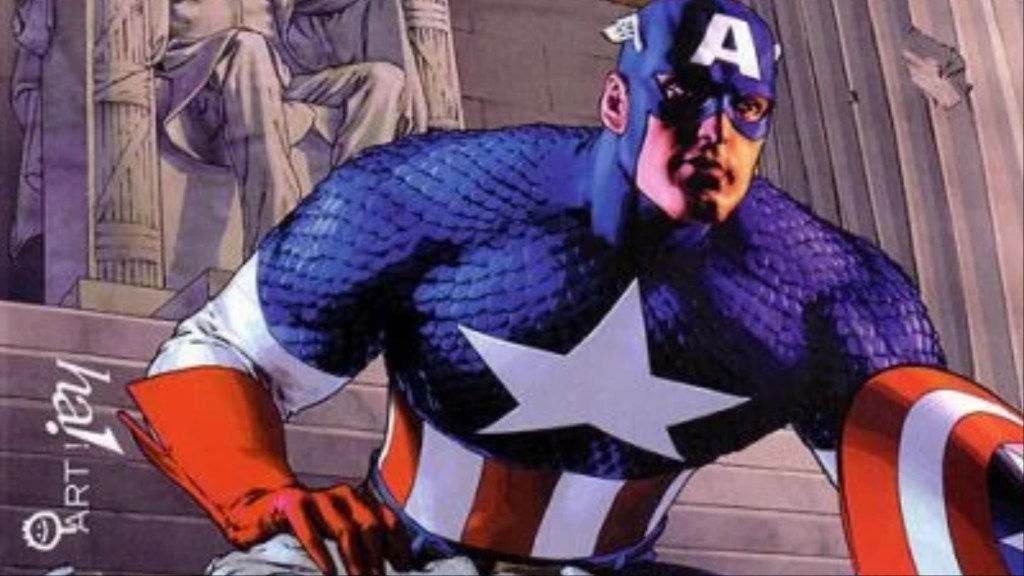
To understand why “Cap Lives” is so great, first you have to look at the creative team. The book was written by Dave Gibbons, a creator best known as one of the greatest artists in DC Comics history. He drew Superman, Green Lantern, and, most noticeably, Watchmen, working with Alan Moore on numerous stories. He had worked with numerous creators over the years, some of the best writers in comics, and learned his craft well.
On the art side of things, penciler Lee Weeks was a graduate of the Joe Kubert School and a Marvel staple. His style was more classic than what flew in the ’90s and ‘0s at Marvel, and he was perfect for “Cap Lives”. The story was set in a Nazi-fied New York City in the 1960s, and Weeks was able to capture a retro-futuristic feel that was perfect for this story. His strong figure work, detailed backgrounds, and amazing action penciling rendered everything brilliantly, with inker Tom Palmer, one of Marvel’s greatest, giving it all depth with his amazing inks. Add in the covers from Gene Ha, and this story is an artistic masterpiece.
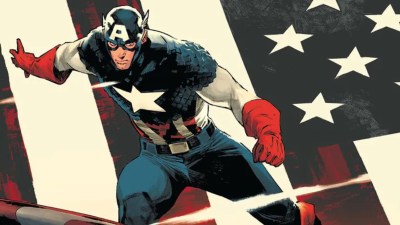
Four great artists worked together to create something special. Marvel had been great at dystopian futures since “Days of Future Past”, and this story was a different flavor of that trope. It wasn’t the future for readers, but it was for Cap, and his shock at this vastly different world was perfect. We got to see what became of the heroes of the early days of Marvel in this new timeline, with the Fantastic Four, Nick Fury, various Avengers, and more all showing up. It was everything you could want from this kind of story.
It was interesting to see Red Skull in a position of power of Cap, and the Sentinel of Liberty having to use all of his skills in order to defeat the Nazi menace. This was an old school comic in the modern age, when fans all wanted gritty, realistic superhero stories from a character like Cap. This wasn’t that. This was a story about Captain America battling his ultimate enemy set in another time, full of airships and Nazi Sentinels. It was overlooked at the time, as Captain America (Vol. 4) faded from the sales charts, but it’s one of the greatest of the that period of Marvel.
“Cap Lives” Is What Captain America Stories Should Be
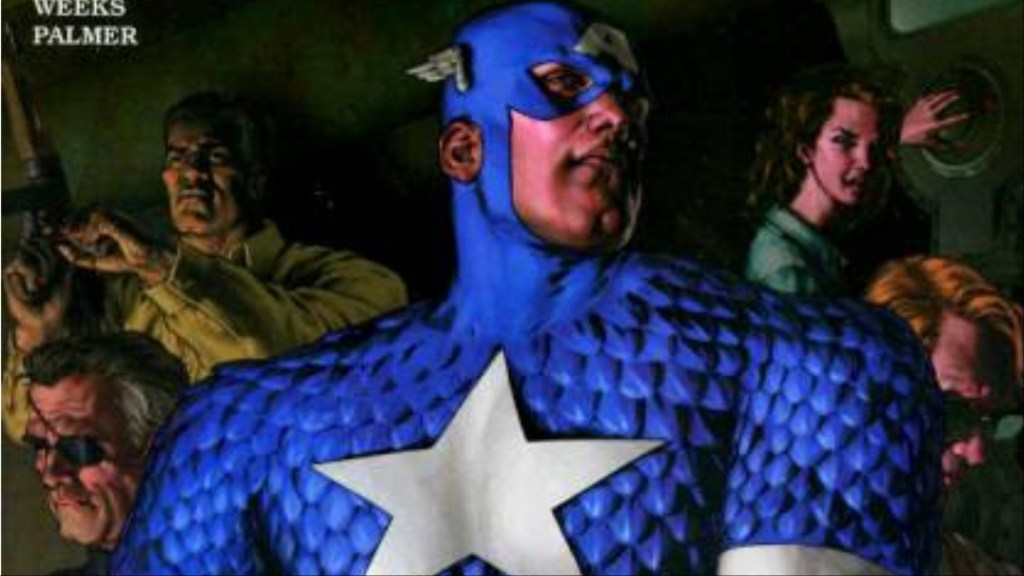
Captain America was hot in 2002, kicking off with John Ney Reiber and John Cassaday for a story that dealt with the anger and pain over 9/11 in the perfect way. “Cap Lives” was very different from what fans had been getting from it at the time, and it came out at a time when Marvel was firing on all cylinders across its line, which is almost certainly why it got overlooked. It assembled an amazing creative team for a story about the House of Idea’s greatest hero against his deadliest enemy, and it’s one for the ages.
This story isn’t going to change the way you see the Star-Spangled Avenger. It has Nazi-smashing action aplenty, cool alternate versions of beloved (and hated) characters, and an ending that proves that freedom can always win against the powers of oppression and fascism. It showed light coming to a dark world, and I have feeling that a story about a victory over fascism could be just what a lot people would need in 2026.
What do you think about “Caps Lives”? Leave a comment in the comment section below and join the conversation on the ComicBook Forums!
More Comics
-
Image Courtesy of Image Comics -
Image Courtesy of Marvel Comics -
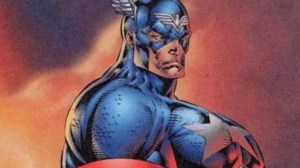
Image Courtesy of Marvel Comics -
Image Courtesy of Marvel Comics -
Image Courtesy of Marvel Comics -

Image Courtesy of DC Comics -

Image Courtesy of Marvel Comics -

Image Courtesy of Marvel Comics
