The X-Men took the top sales spot of the comic industry in the 1980s, but reached the height of their popularity in the ’90s. The 1990s were the decade of the X-Men; Marvel had spent years building the team and its mythos, introducing new villains, new teams, and bringing some of the greatest artistic talent of the ’80s to their books, and all of that paid off in the ’90s. While writers Chris Claremont and Louise Simonson left the books, sales wouldn’t go down at all; far from it. X-Force (Vol. 1) #1 and X-Men (Vol. 2) #1 are two of the bestselling comics ever, and the X-books kept their spot at the top of the sales charts throughout the decade of extreme.
Videos by ComicBook.com
There were some amazing X-Men stories and series in the ’90s, and the team made in-roads into the greater pop culture with X-Men: The Animated Series. In a lot of ways, the ’90s changed the team forever, with numerous factors playing into the franchise’s success. These five aspects of ’90s X-book are the best parts, and helped keep the team on top of the comic industry in the last decade of the 20th century.
5) Villainous Magneto

Magneto changed a lot in the ’80s, as writer Chris Claremont changed him from the Doctor Doom wannabe of the team’s early years into a sympathetic character who even became a leader of the group. However, Claremont leaving the X-Men led to a widescale reboot of the franchise, and this meant making Magneto a villain again, as part of that reboot’s back to basics approach. There’s a trilogy of Mags stories in the ’90s — X-Men (Vol. 2) #1-3, “Fatal Attractions”, and “The Magneto War” — which feature him as a villain. These are three excellent stories, and Magneto as a villain was honestly pretty amazing. While we all love the mutant master of magnetism as leftist murder grandpa, he’s also a great villain, and it helped the team in the ’90s to have him as an antagonist in the decade.
4) The Gambit/Rogue Relationship
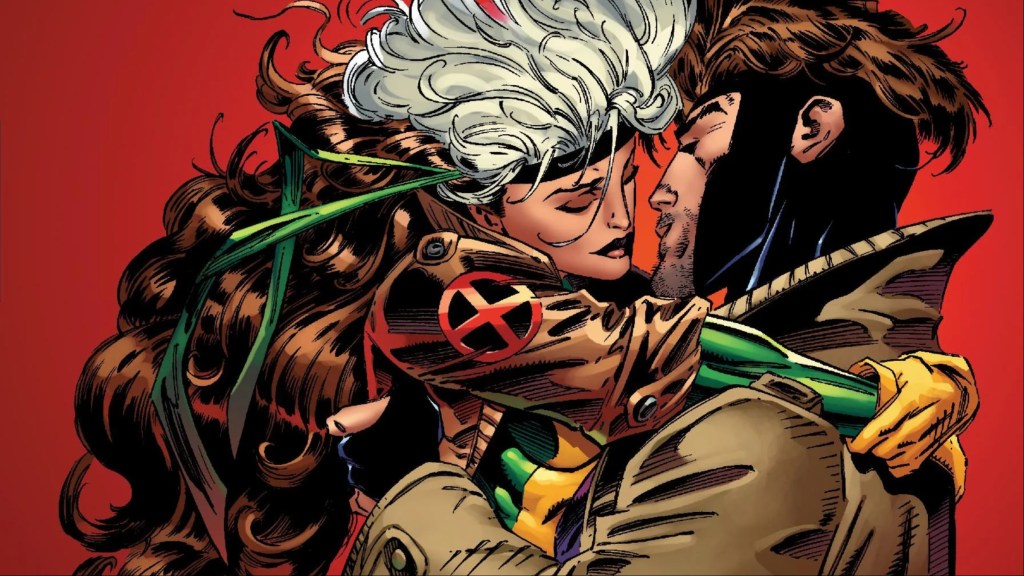
Gambit was introduced in 1990, and became the second most popular X-Man after Wolverine. The Cajun ladies man fell in love with Rogue from almost the beginning and their relationship played a huge role in the popularity of the team in the ’90s. Creators got years of stories from the two of them, as they tried to figure out whether what they had was real and worth the cost that it could exact from both of them. Before the decade, most would have said that Cyclops and Jean Grey were the team’s most iconic relationship, but the saga of Rogue and Gambit took that title in the ’90s. The ups and downs of the Southern mutants’ love for each other was amazing, and it helped give the X-Men comics a compelling relationship that fans still love.

3) Wolverine (Vol. 2)

Wolverine is the best there is at what he does, and in the ’90s that was sell comics. The ol’ Canucklehead was given his own ongoing solo book in 1989; it became one of the bestselling solos of the ’90s and the secret weapon of the X-Men line. For most of the decade, Wolverine (Vol. 2) was written by Larry Hama and he turned in the best-written X-Men book of the ’90s, full stop. From dealing with the repercussions of “Weapon X” to the bone claws years, Hama’s ’90s Wolverine comics were truly spectacular. After Hama left the book in 1997, we got awesome stories from Chris Claremont, Warren Ellis, and Erik Larsen. We even got two of Marvel’s most beloved artists from the book in Adam Kubert and Leinil Yu, who both became stars because of their time drawing Logan’s solo adventures, as well as amazing art from Marc Silvestri, Mark Texeira, Darick Robertson, and Jeff Matsuda. Wolverine (Vol. 2) #31-147 is amazing, and one of the best parts of the X-books of the ’90s.
2) The Artists
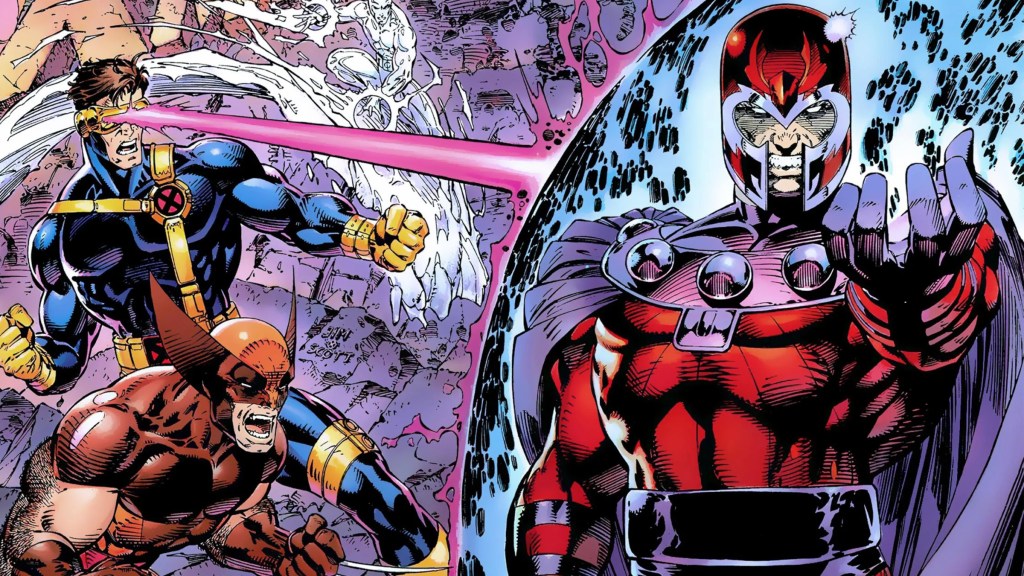
The X-Men boasted the greatest artists in Marvel history, especially in the ’90s. Uncanny X-Men, X-Factor, New Mutants, and Wolverine (Vol. 2) would start the decade with Jim Lee, Marc Silvestri, While Potracio, and Rob Liefeld on pencils, driving sales and wowing readers. When those four artists left to found Image Comics, greats like Andy Kubert, Brandon Peterson, John Romita Jr., Joe Madureira, Steve Skroce, Ian Churchill, Chris Bachalo, Leinil Yu, Adam Kubert, Tom Grummet, Jeff Matsuda, Alan Davis, Steve Epting, Tony S. Daniel, and more all gave the books the greatest art imaginable. The X-Men books, from the main books to the secondary team books like Generation X and X-Force to the numerous one-shots and miniseries, had the kind of eye-catching art that drove sales to insane levels.
1) Variety
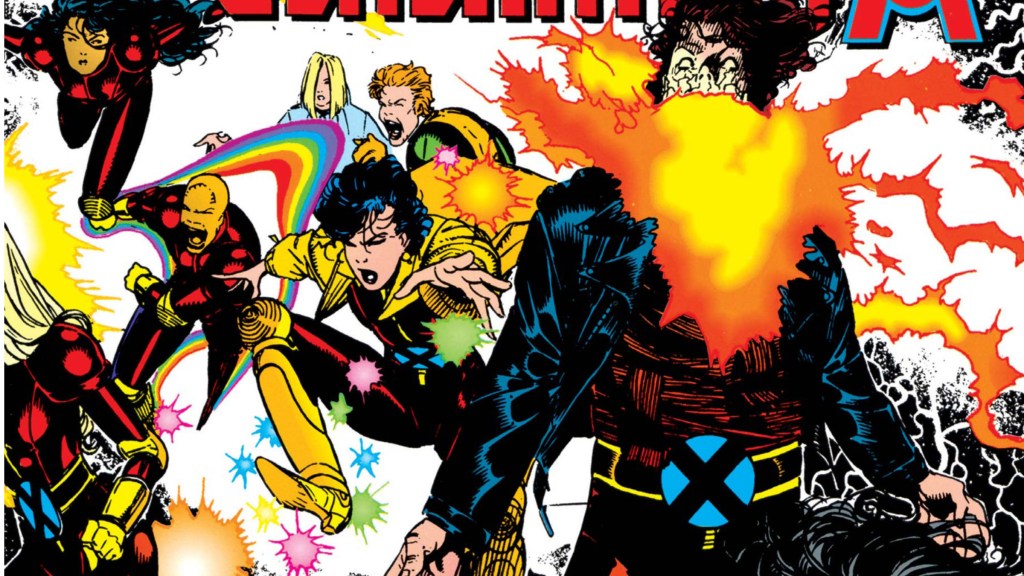
The ’80s saw the X-Men expand beyond Uncanny X-Men, with numerous ongoings and miniseries coming out over the decade. The ’90s was more of the same. New Mutants became X-Force, Uncanny X-Men begot X-Men, and books like Generation X, Cable, X-Man, and Gambit joined X-Factor, Excalibur, and Wolverine (Vol. 2). There was a huge variety of X-Men series in the ’90s and this played a big role in the success of the books. Basically, every month, you could read only X-books and get all of your superhero needs met. There were teen books, black ops heroes books, government team book, a weird superhero book, several solos, and the run of the mill superheroics of Uncanny X-Men and X-Men. The line had everything you could need, and the various books sold like hotcakes as the rest of Marvel faltered.
What are your favorite parts of ’90s X-Men comics? Leave a comment in the comment section below and join the conversation on the ComicBook Forums!
Most Viewed
-

Image Courtesy of Studio Bones -
Image Courtesy of Image Comics -

Image Courtesy of Sunrise/Enishiya -

Image Courtesy of Science SARU