
Wolverine is one of those rare comic-book characters who evolved far beyond his original concept. When he first appeared in the 1970s, he was written as a short-tempered scrapper. But over time, writers like Chris Claremont, Larry Hama, and later Jason Aaron transformed him into something far richer. The more Marvel explored him, the more he became a reflection of aging, regret, and endurance.
Videos by ComicBook.com
His endless lifespan forced him to confront the weight of memory and the futility of savagery, turning him from a one-dimensional fighter into one of the most psychologically complex figures in superhero fiction. He’s still the brawler with claws, but now he’s also a teacher, a reluctant leader, and a man who understands violence too well to glorify it. In a universe full of immortals and mutants, Wolverine stands out not because he can’t die, but because he keeps trying to live.

6. Animal Empathy

Wolverine’s connection to animals is more than just a side effect of his feral nature. It’s a genuine ability to communicate with and even calm animals. He has been shown to sense their emotions and interact with them on a level that borders on telepathic. He’s feral, yes, but also deeply attuned to nature in a way that few humans are. While it’s rarely the focus of a storyline, animal empathy highlights Wolverine’s duality: though he’s often depicted as a savage fighter, this power reflects a gentler, more harmonious connection to the natural world. It’s a skill that aligns with his life as a rugged outdoorsman, often living off the grid or in the wilderness.
5. Resistance to Telepathy
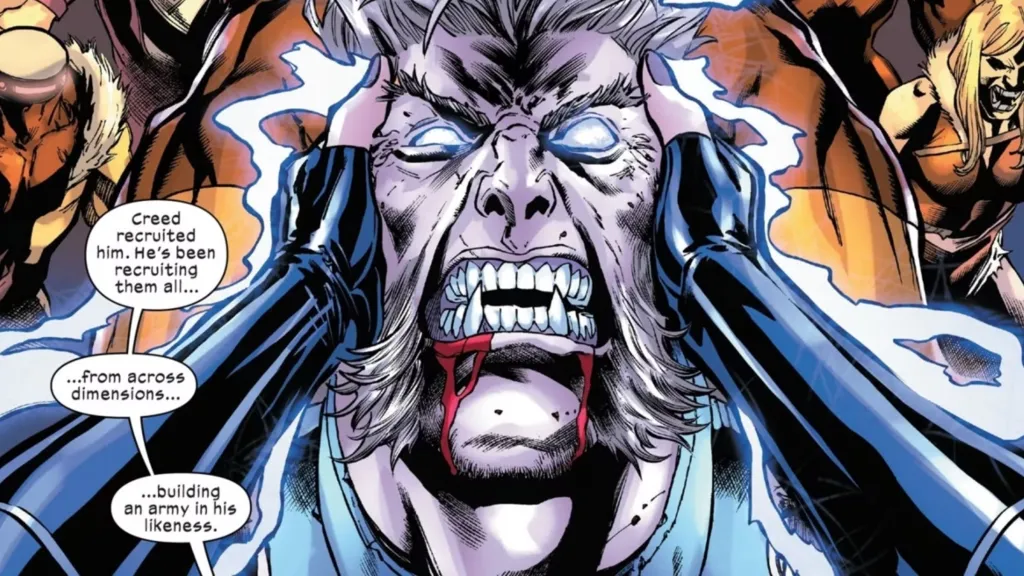
Telepaths are some of the most powerful mutants in the Marvel Universe, capable of incapacitating foes with just a thought. However, Wolverine has an innate resistance to telepathic attacks, making him one of the few characters who can go toe-to-toe with psychic enemies like Emma Frost, the Shadow King, or even Professor X himself.
This resistance is partially due to his healing factor, which can repair any damage done to his brain by psychic intrusions. Additionally, Wolverine’s mind is naturally chaotic, filled with fragmented memories, primal instincts, and years of trauma. This mental “noise” makes it difficult for telepaths to navigate or manipulate his thoughts. While he’s not completely immune, his resistance is often a game-changer in battles where psychic control is a factor.
4. Immunity to Diseases and Poisons
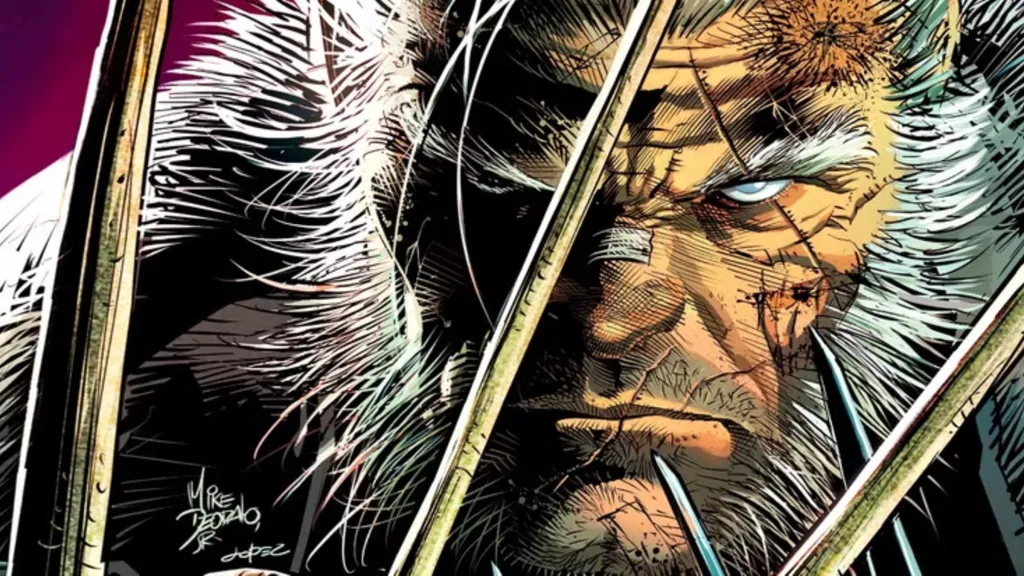
Wolverine’s healing factor also protects him from illnesses, toxins, and poisons. This makes him virtually immune to any form of biological attack. In the comics, this power has allowed him to survive conditions that would kill most other characters. For example, he’s walked through nuclear fallout zones without issue and consumed poisons that would kill a normal person in seconds. This immunity also extends to mutant-specific diseases or experiments, making him an incredibly tough opponent to incapacitate. While it’s not a flashy power, it’s one of the reasons Wolverine can keep fighting when others would fall.
3. Memory Recovery
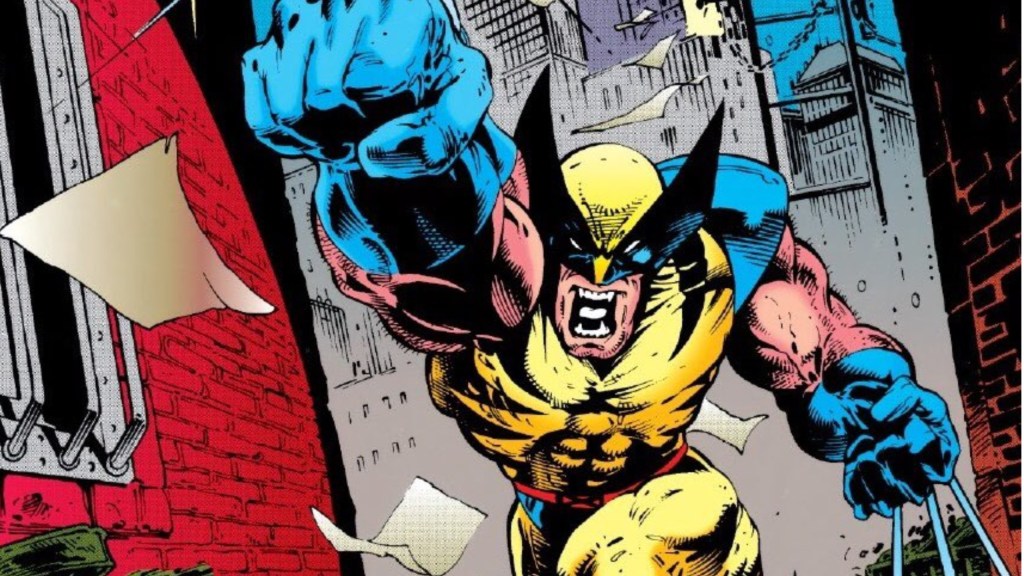
Wolverine’s past has always been shrouded in mystery, thanks to the brainwashing and experimentation he endured during the Weapon X program. For years, his fragmented memories were a defining aspect of his character. However, his healing factor can also restore his mind. This ability has been crucial in helping him rediscover his true identity, including his life before Weapon X and his connections to other characters like Sabretooth and Silver Fox. While it’s not an instantaneous process, and his mind remains vulnerable to tampering, this power adds a fascinating layer to his character.
2. Regeneration From Near-Total Destruction
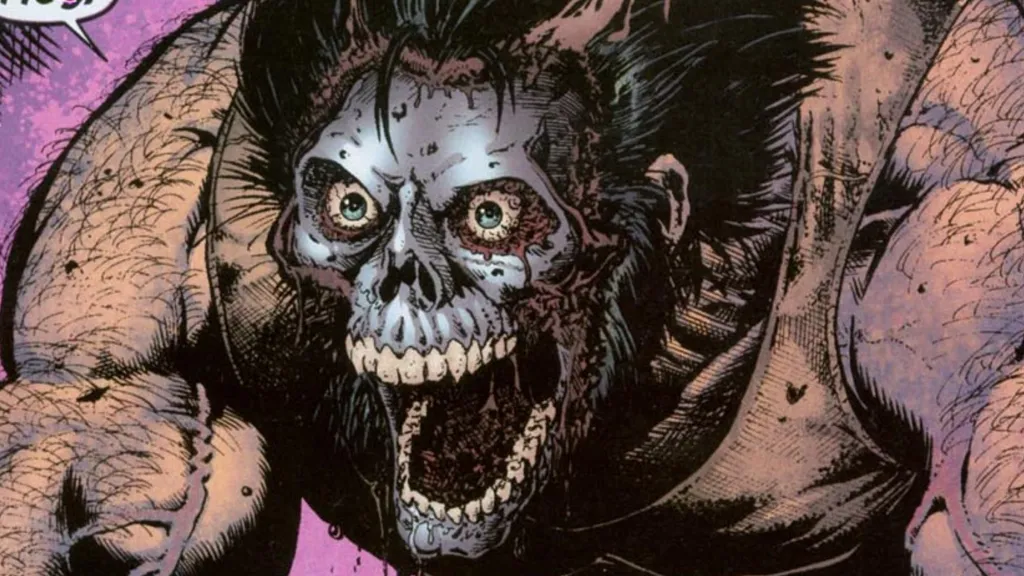
Wolverine’s healing factor is legendary, but its full extent is often underestimated. In some of the most extreme examples, Wolverine has been reduced to a skeleton or burned to ash, only to fully regenerate over time. One of the most notable instances of this occurred inUncanny X-Men Annual #11, where he was able to regenerate from a single drop of blood. While this level of healing isn’t always consistent across different writers, it underscores the almost supernatural aspect of his powers.
1. Berserker Rage
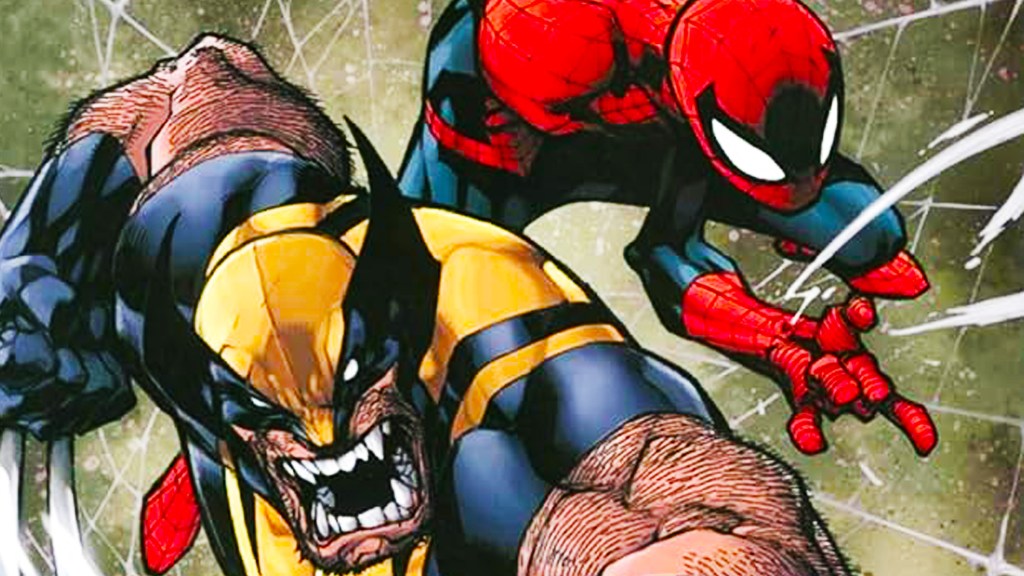
Wolverine’s berserker rage is one of his most iconic abilities, but it’s often misunderstood. This isn’t just him getting angry. It’s a primal state where he fully embraces his animalistic instincts, becoming faster, stronger, and more ferocious. In this state, Wolverine ignores pain, fear, and even logic, focusing solely on defeating his enemies. While this power makes him nearly unstoppable in battle, it comes at a cost. In his berserker state, Wolverine can lose control, sometimes putting allies or innocent bystanders at risk. It’s a double-edged sword that reflects his internal struggle between man and beast. This power also showcases why Wolverine is such a compelling character. His greatest strength is also his greatest weakness, and his ability to walk the line between control and chaos is what makes him a hero.
What do you think? Leave a comment below and join the conversation now in the ComicBook Forum!
More Comics
-
Image Courtesy of Marvel Comics -

Image Courtesy of Marvel Comics -

Image courtesy of DC Comics -

Image Courtesy of Marvel Comics -

Image Courtesy of DC Comics -
Image Courtesy of Marvel Comics -

Image Courtesy of Marvel Comics -

Image Courtesy of DC Comics
