DC Comics invented the superhero in the Golden Age, but the rise of Marvel in the Silver Age would see them deposed from the top of the funny book charts of the day. The 1980s changed all of that. The company was revitalized by new boss Jeanette Kahn, who worked with former creators like Dick Giordano, Paul Levitz, Karen Berger, and many more to make DC into a creative force to be reckoned with, changing the history of the medium. ’80s DC is one of the most important comic decades, with more best of all time books than you shake a stick. It was an amazing era.
Videos by ComicBook.com
The ’80s ended almost 40 years ago, and a lot has changed in comics since then. Not every ’80s classic stands up, but some of them just keep getting better with age. These seven ’80s DC stories have aged like fine wine, and remain some of the greatest comics of all time.
7) Justice League: A New Beginning

The Justice League have had several permutations. One of the best is the Justice League International, and their first adventures are collected as Justice League: A New Beginning, by the legendary Keith Giffen, the equally as legendary J.M. DeMatteis, and the somewhat infamous Kevin Maguire (trying to land a JLI joke; Maguire is actually awesome). This first JLI story is an example of a slice of life superhero comic before that was a thing in the American comic industry. It’s more about the characters living their lives as superheroes than it is about them doing superheroic stuff, something that more fans want to see in the 2026. This book has always been ahead of its time, and it keeps revealing new facets of why it was so special.
6) George Perez’s Wonder Woman
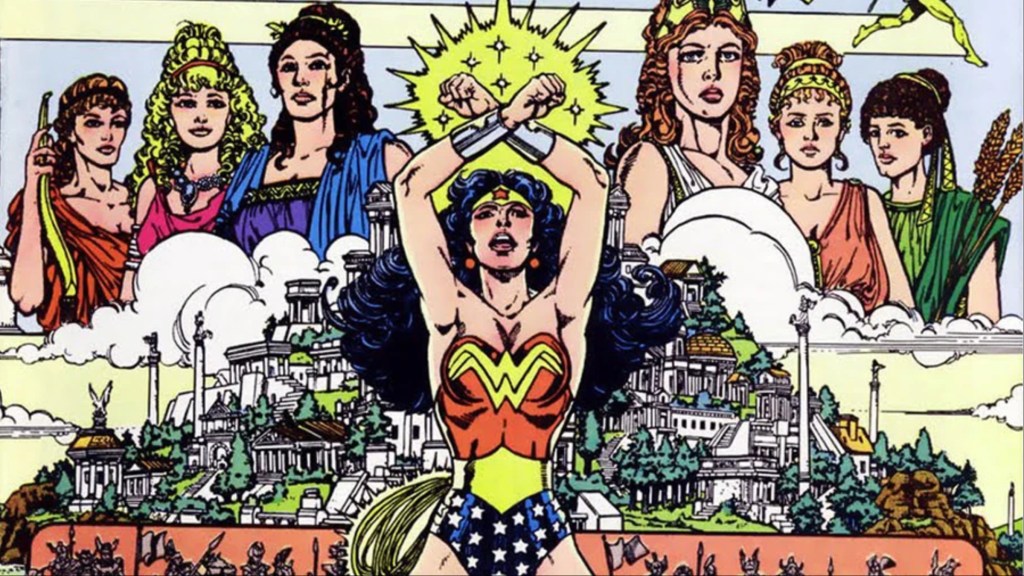
Crisis on Infinite Earths changed DC forever, and some characters got bigger changes than others. Superman is usually thought of as the most changed because of the John Byrne reboot, but Wonder Woman had gotten an arguably better reboot from writer/artist George Perez. Perez wrote and drew the first 24 issues of Wonder Woman (Vol. 2), and wrote the book until issue #62. Perez dug into the mythological roots of Diana, giving her the best origin she’s ever had and making Ares into a major villain, all while giving readers amazing storytelling and art. This was an all-new Wonder Woman, chronicling her first adventures, and it’s still considered the best run in the character’s history by many.
5) Alan Moore’s Swamp Thing
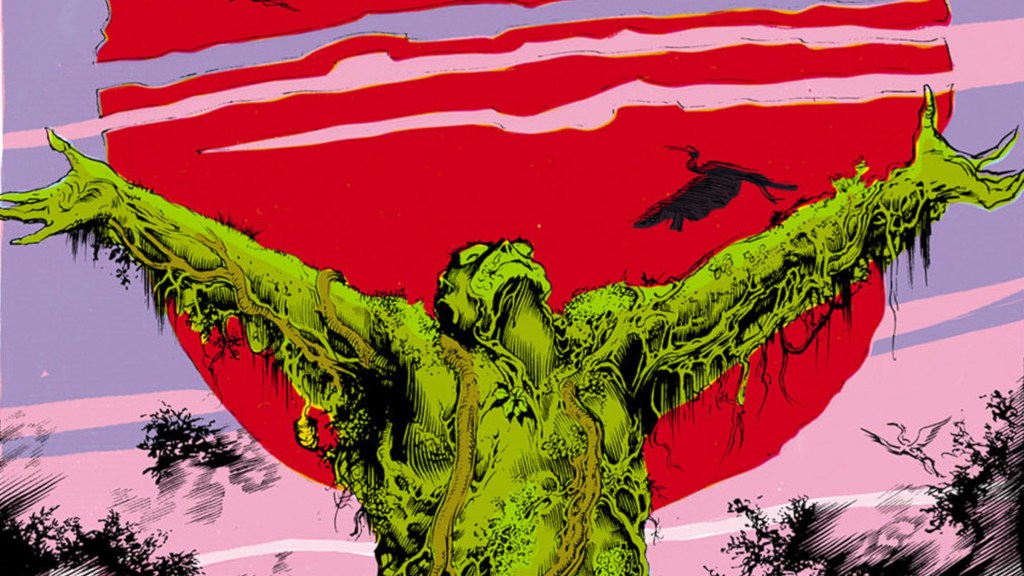
Swamp Thing was one of the cooler DC monsters of the ’70s but that wouldn’t save the mock-encrusted mockery of a man. The character was on a downward spiral in the early ’80s until a British writer named Alan Moore became took over the book. Moore changed the conception of the character completely in Saga of the Swamp Thing #21, making him into a monster who thought he was a man, and wrote one of the greatest comics ever. Moore’s run on Swamp Thing lasted until issue #64, and he used many of his stories to critique the problems of modern society, ones that are still around today. It’s a timeless run that gets better every time you read it.
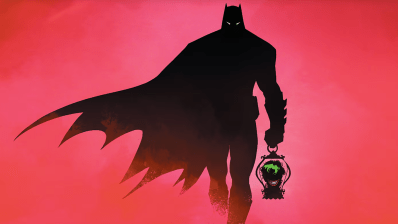
4) Crisis on Infinite Earths
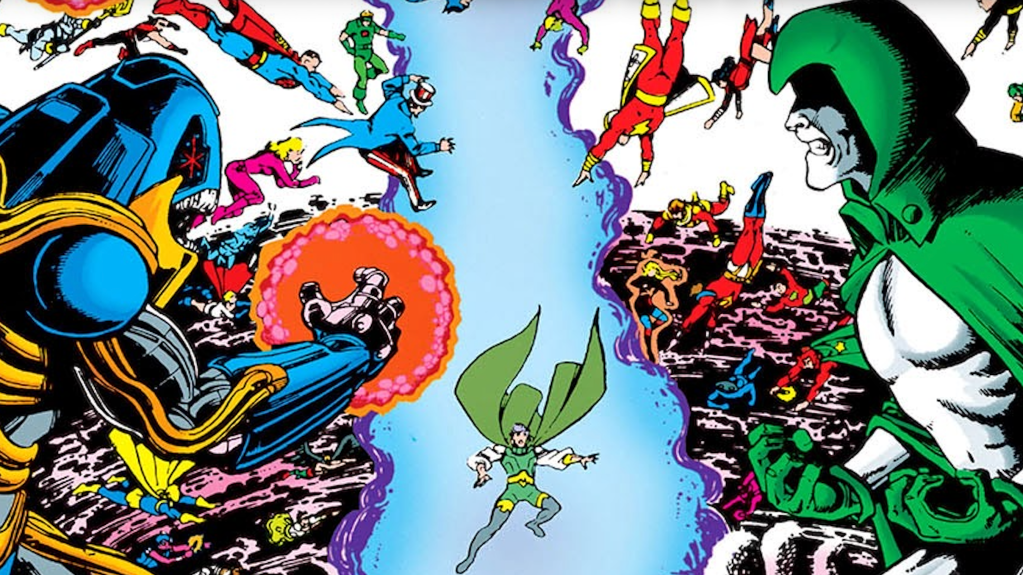
Crisis on Infinite Earths is the greatest event comic ever, and it’s honestly not even close. Marv Wolfman, George Perez, Dick Giordano, and Jerry Ordway told the tale of the end of the multiverse, giving it the kind of bombast such an event needed while also being a love letter to the DC Comics of yore. While there are some complaints about the series, the flaws are what makes it so beloved (I love the villain war part, for example, something most don’t because it remembers the villains exist at times like this, something a lot of newer events have forgotten). Comparing it to modern event comics shows how great it truly is; this was a massive project, taking years to reach the point before they could even start creating the book, and it was planned meticulously. In a time of soulless Marvel cash-in events every couple of months, Crisis is an example of how to do an event book in the best way possible.
3) Grant Morrison’s Animal Man

Once upon a time, Animal Man was a Z-list Silver Age hero with animal powers, basically the personification of white bread – fine but nothing exciting. However, DC’s British Invasion, where the company went to the UK to scout talent after getting Alan Moore, Brian Bolland, Dave Gibbons, and several others, sowed the seeds for the character’s ultimate evolution. Scottish writer Grant Morrison was given the reins of Animal Man, and gave readers 26 issues of metafictional masterpiece. The run at its core is all about violence – the impulses that makes humans create worlds to inflict violence upon for our own entertainment. On top of that, it’s also about the realities of animal testing, and goes hard on various philosophies of existence. It’s a brilliant book that never goes out of style.
2) Camelot 3000
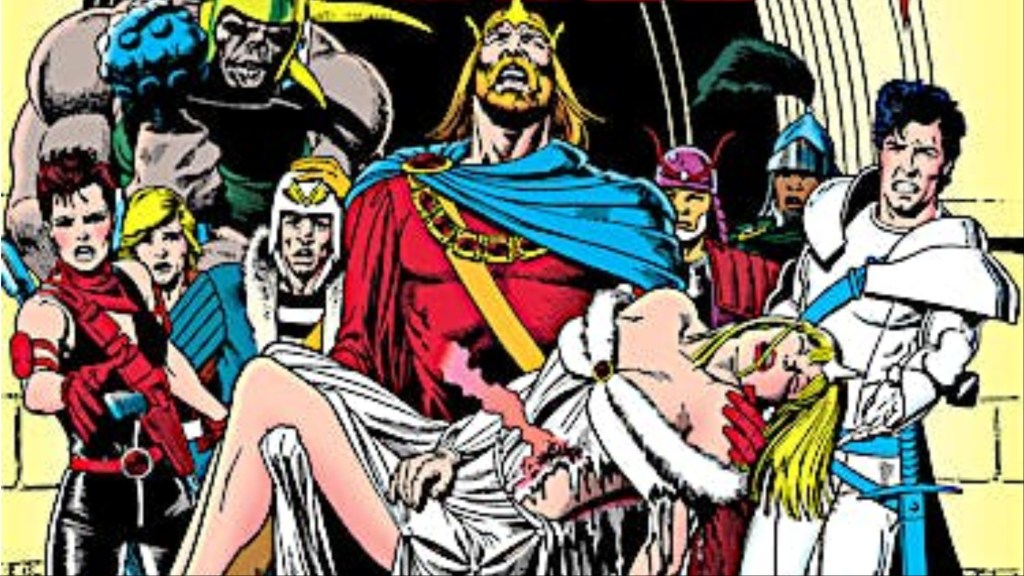
Camelot 3000 takes a standard story idea – the return of King Arthur – and does it in a completely new way. This 12-issue series by Mike W. Barr and Brian Bolland brought the Knights of the Round Table and Morgan Le Fay, who is leading an alien invasion of Earth, to the year 3000. This is basically the first prestige comic of the modern era; while Marvel had been doing their graphic novels in the early ’80s, they weren’t periodicals, they were hardcovers for dedicated fans. This was the first prestige series, and it holds up all these years later. Bolland’s art is the highlight here, giving readers the kind of amazing imagery that he would become known for.
1) V for Vendetta
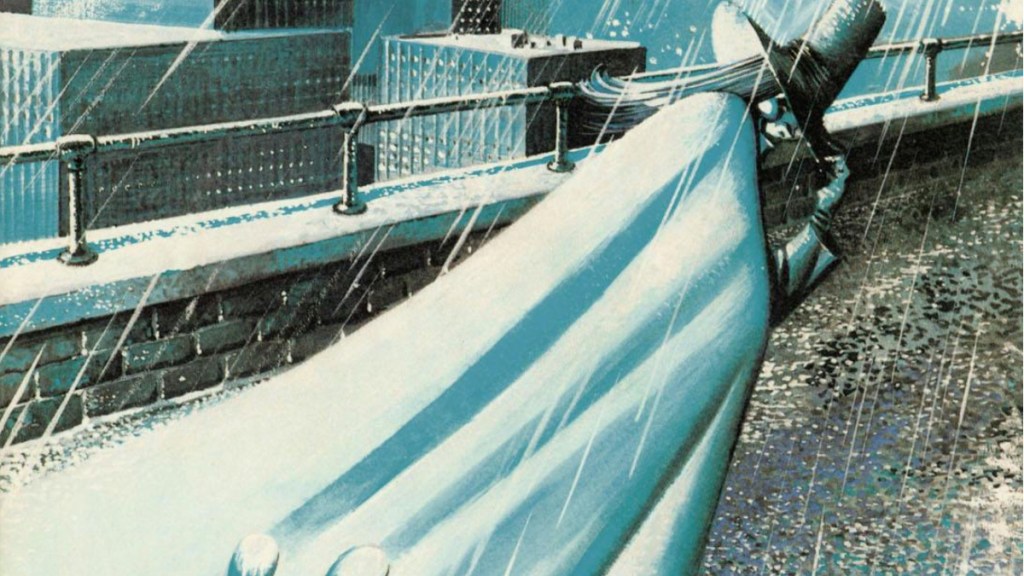
Alan Moore and David Lloyd’s V for Vendetta began in Warrior magazine, a comic anthology book in the UK. It folded and Moore was able to move the story over to DC to finish it up (which he’s now not happy about because he doesn’t own the rights to it; Moore complains a lot, but he’s not wrong). Set in a future fascist England after a limited nuclear war, it tells the story of Evey and V, a regular girl and an anarchist terrorist as they deal with society in their own ways. This book is basically a polemic against fascism and it has become chillingly prescient in recent years. Things in this book have and continue to happen in the real world, keeping it timeless.
What your favorite ’80s DC story not on the list? Leave a comment in the comment section below and join the conversation on the ComicBook Forums!
More DC
-
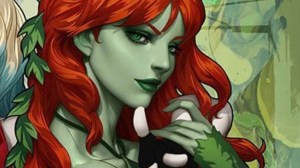
Image Courtesy of DC Comics -

Image Courtesy of DC Comics -
Image Courtesy of DC Comics -

Image Courtesy of Marvel Comics -
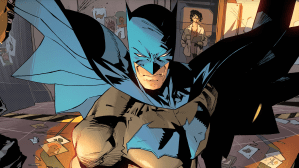
Image Courtesy of DC Comics
![Clayface Has Exciting Ideas, But Stumbles in Execution [REVIEW]](https://comicbook.com/wp-content/uploads/sites/4/2026/10/clayface-movie-review.jpg?w=300)