Titles that adopt an older, retro style of visuals are more common in gaming now, especially in indie projects looking to attract audiences through a certain type of nostalgia. Whether this is using pixel-based graphics or deliberate arcade-looking gameplay, this trend has given rise to a number of excellent titles over the years. However, one 2014 game is largely responsible for this turning into a popular trend, merging classic retro ideas with modern sensibilities for a fresh experience.
Videos by ComicBook.com
Games like Dead Cells, Marvel Cosmic Invasion, Sea of Stars, and TMNT: Shredder’s Revenge follow a philosophy of retro visuals with modern gameplay techniques. Replayability and controls from these games are far less strict than older titles on the NES, Dreamcast, or original home consoles before the era of PlayStation or Xbox. There are plenty of examples of great games that implement old school beat-em-ups, platformers, Metroidvanias, and other genres in ways that make them accessible for varied audiences to try.
Shovel Knight Came Out In June 2014 As A Pioneer In Retro-Style Gaming Projects
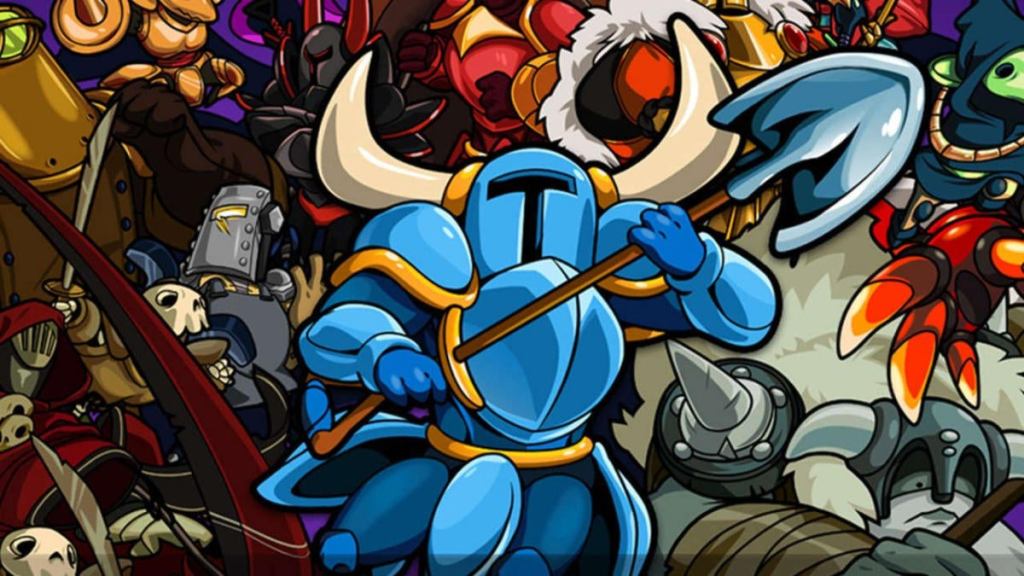
One of the pioneers of the “modern retro” trend was Shovel Knight, a game released back in June 2014 with sights and sounds defined by an 8-bit aeshetic. Crunchy hit sound effects combined with pixel-based sprites and animations for every character or enemy, creating a side scrolling adventure similar to what you would see back on the NES. In fact, Shovel Knight was directly inspired by games like Mega Man or DuckTales from older platforms, but with updated gameplay to give modern players familiar tools.
The unique quality of Shovel Knight comes from how its systems are both classic and fresh to appeal to a great number of players. For example, the titular Shovel Knight uses his trusty Shovel Blade to pogo bounce on enemies, using the momentum from jumps to adjust where he lands in various areas or boss fight arenas. This is exactly the same system used in DuckTales, making a direct reference alongside just the visuals. At the same time, players can also use the Shovel Blade like a shovel, digging up treasures through a new mechanic not seen in older titles.
Every aspect of Shovel Knight took this approach, with Mega Man bosses players could pursue in any order they chose, going through platforming levels until they reached a certain boss. Levels were inspired by whichever boss you fought, with enemies and platforming challenges to match their gimmick. Checkpoints made fighting the eight bosses of the Order of No Quarter easier to reach, while keeping the typical difficulties you would see in a retro 2D platformer. Yet, modern gameplay ideas like a hub world, character RPG-like upgrades, and permanent Relic items to equip helped the game stand out as something new.
Adopting Older Visuals With Modern Gameplay Was Made Popular Through This Title’s Innovations
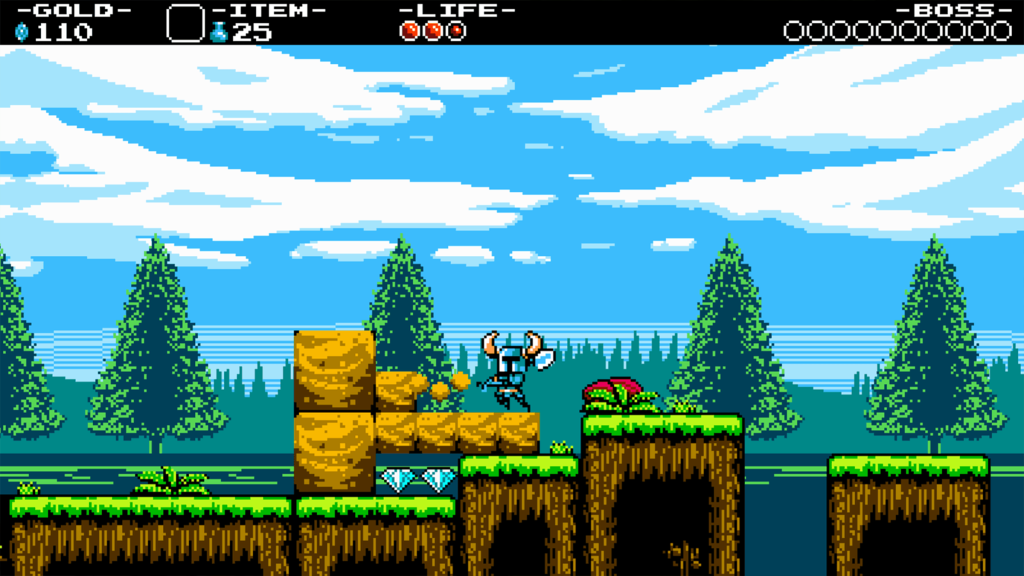
The 2D side scrolling of Shovel Knight is what any player knowledgeable of the genre would expect, which marries the 8-bit graphics well. If you had never played Shovel Knight, one glance at its gameplay might trick you into thinking it came out during the 90’s or early 2000’s, perhaps even earlier through arcades. However, the quality-of-life innovations this game brings to the table not only pays homage to games from those eras, but also cuts away the biggest obstacles those titles were restricted to.
The checkpoints during levels mentioned earlier is the biggest example of this, but Shovel Knight has several other “modern” ideas baked into its retro gameplay. Relic items aren’t temporary power-ups like you would see in 8-bit Contra or other side scrollers, but rather permanent tools players could equip. Each Relic gives Shovel Knight a new ability, representing interchangeable gear that is only possible through a modern game’s larger engine. The larger scale of the game gives it far greater means to implement more gameplay ideas into its system than any title it was inspired by.
The randomization of treasures dug from the ground, the existence of New Game+, and the risky option to destroy Checkpoints for in-game currency are all further examples of Shovel Knight expanding upon what a typical retro game was thought to be capable of. These innovations existed in other games, but were surprising to find in an 8-bit title like Shovel Knight. As characters with completely new gameplay ideas were added in the Plague of Shadows, Specter of Torment, and King of Cards expansions, Shovel Knight only grew more capable of surprising players with fresh ideas.
Other Great Games Were Created Through The Inspirations Of Shovel Knight’s Content
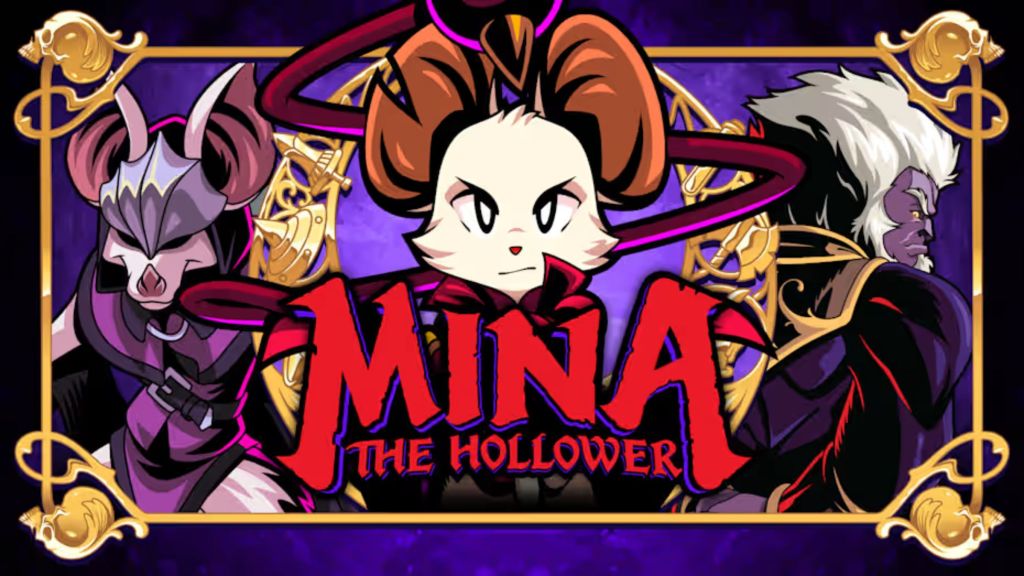
Developer Yacht Club Games would take what they learned from Shovel Knight to develop even more refined “modern retro” experiences, such as the recently successful Mina the Hollower. Shovel Knight would get spin-offs as well, like Shovel Knight Dig, which changed the gameplay formula of the original into a roguelike adventure rather than a 2D side scroller. That being said, the biggest praise that can be afforded to Shovel Knight is how it inspired many other games to adopt a retro style for their visuals, ditching the “realistic” graphic trend at the time in favor of more nostalgic projects.
Shovel Knight himself has shown up in several crossovers, speaking to the character’s popularity and the love players have for Yacht Club’s breakout game. Even though Shovel Knight has now been depicted in 3D (even in Super Smash Bros. Ultimate), the memorable nature of the 8-bit style has allowed other titles to combine past gameplay ideas with modern innovations for great experiences. Shovel Knight‘s 12-year anniversary highlights just how many games have been able to be made because of it, creating a trend that is sure to last.
What do you think of the original Shovel Knight? Leave a comment below or join the conversation in the ComicBook Forum!
More Gaming
-

Image Courtesy of Electronic Arts/Bethesda Softworks/Double Fine