One of video gaming’s most enduring franchises almost fizzled out of the gate when Mega Man was released in 1987 for the Nintendo Entertainment System. It may be hard to believe, but the first Mega Man game didn’t do well, selling poorly despite receiving relatively positive reviews upon release. Today, Mega Man is a massive franchise comprising more than 130 distinct games of various types, and it has expanded into other areas of popular culture. It didn’t achieve that level of success with its initial title — it was the one that followed that made Mega Man a gaming juggernaut.
Videos by ComicBook.com
Mega Man 2 was Capcom’s last effort at establishing its newest IP into more than just a handful of games on the NES. It was released in 1988, just one year after the first, and everything about it is an improvement over the original. While Mega Man established the basic formula of the franchise’s games, Mega Man 2 significantly expanded on them, ironing out the various gameplay design mechanics into a more entertaining platformer. For a long time, it was the best-selling Mega Man game in the entire franchise, having sold more than 1.51 million units.
Mega Man 2 Saved the Franchise
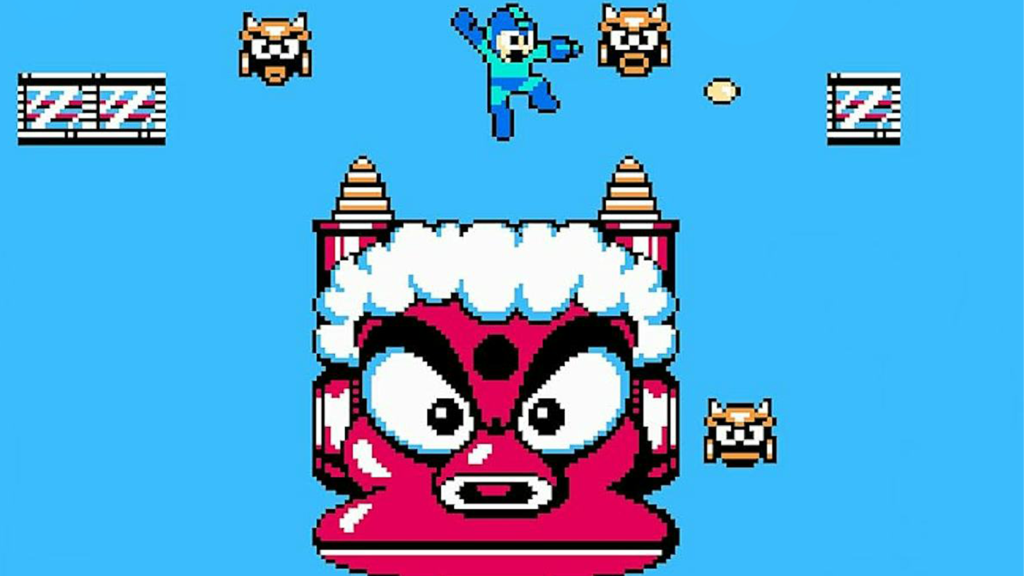
Typically, when a game underperforms, a sequel isn’t an option as they cost a great deal of time and money to produce. Capcom took some convincing, but allowed the devs of the original Mega Man to work on its follow-up. They had to do so in their spare time while assigned to other projects in the company, and included some unused content from the original game. They not only created the game in their spare time and in under a year, but also produced one of the best NES games of all time. It was released almost a year to the day after Mega Man and completely turned the franchise around.
Mega Man 2 picks up the story one year after the first one, where Dr. Wily creates a set of Robot Masters in an effort to stop Mega Man. These include Metal Man, Bubble Man, Air Man, Flash Man, Quick Man, Heat Man, Crash Man, and Wood Man. Dr. Light dispatches Mega Man to fight the eight Robot Masters and then take on Wily. Like all mainline Mega Man titles (the first 11 games), it allows the player to choose the order in which they’ll take on the Robot Masters, and in doing so, Mega Man takes control of their signature weapon, which is used to progress through the game.
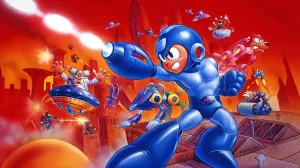
Mega Man 2 received widespread praise, and positive word of mouth helped its sales surpass those of its predecessor. This helped to cement the burgeoning IP as a new, dominating force on the NES, and more games followed. While many did well on the system, none achieved the same level of success as Mega Man 2 until Mega Man 11 came along in 2018. It took 30 years for another Mega Man title to achieve the same level of success as Mega Man 2, which is an extraordinary statistic. Much of the game’s success stems from its brilliant soundtrack, improved controls, gameplay mechanics, and overall style.
Without Mega Man 2, There Wouldn’t Be a Mega Man Franchise Today
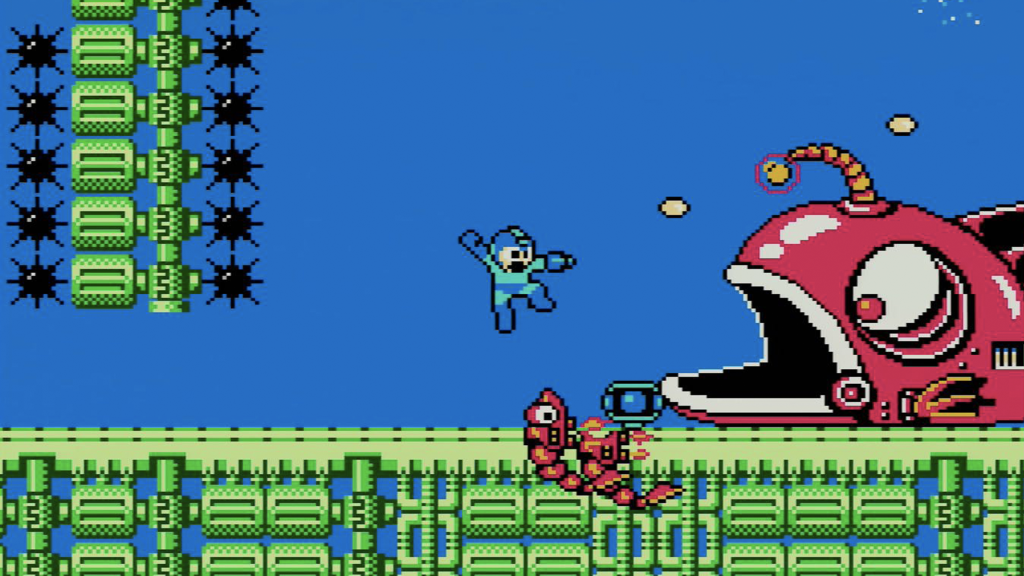
The Mega Man franchise remains a popular and enduring one with a story that’s unfolded across dozens of mainline games, each leading into the next. Mega Man 2 established that practice in 1988, helping create one of gaming’s most legendary franchises. It’s hard to believe that it all nearly ended in 1987, when a platformer’s lackluster sales almost brought it to an end. Were it not for Akira Kitamura and his talented team of artists, programmers, and composers, Mega Man would be one of many long-forgotten early NES titles that came and went without much fanfare. Instead, they busted their butts, creating something that millions of players enjoy decades later.
Is Mega Man 2 your favorite game in the franchise? If not, what is? Leave a comment below and join the conversation now in the ComicBook Forum!
Most Viewed
-
Courtesy of Sony Pictures Animation / McDonalds -
Image Courtesy of Studio Pierrot -
©Tsuyoshi Takaki/Shueisha, Project BLACK TORCH