Arc Raiders has spent months building one of the most compelling PvPvE sandboxes in the extraction shooter space, and much of that success comes from how readable and lethal its combat feels. Every weapon, gadget, and explosive carries real weight, and in most cases, fights are decided by positioning and smart decision-making rather than raw numbers. That balance is a big reason the game’s PvP community has stuck around so fiercely since launch.
Videos by ComicBook.com
That is also why the Trigger Nade and the Kettle becoming dominant has been such a sore spot. In January’s 1.11.0 update, Embark Studios finally stepped in with targeted nerfs aimed at pulling both tools back from the edge. While the changes show a clear understanding of what was warping the meta, many players are not convinced that they go far enough. The Kettle still has lingering macro concerns, and the Trigger Nade still threatens to decide fights before gunplay even has a chance to breathe.
How the Trigger Nade and Kettle Broke the PvP Meta
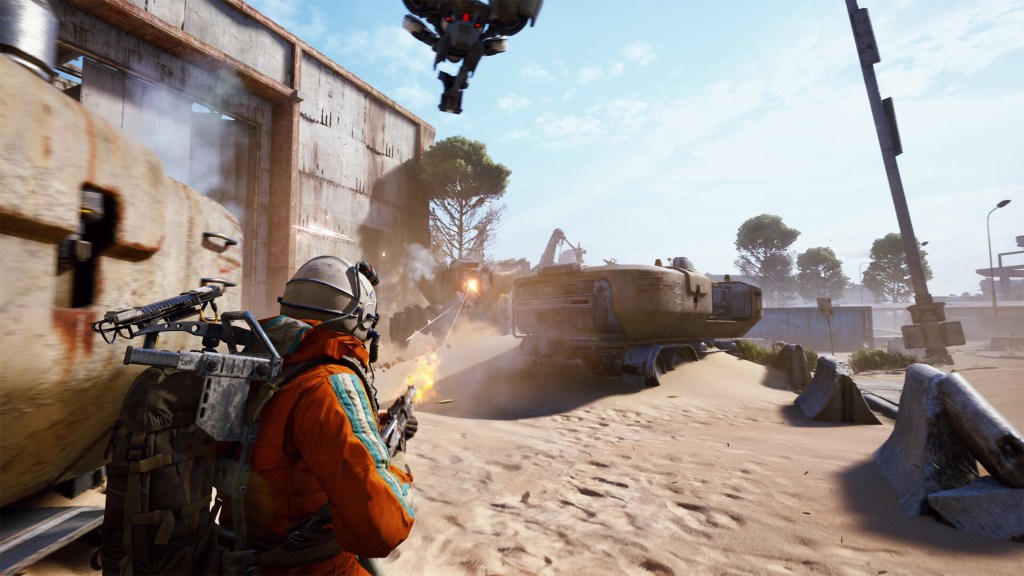
For months, the Trigger Nade and the Kettle defined how high-level PvP encounters played out in Arc Raiders. The Trigger Nade in particular became the safest and most efficient way to open or outright end a fight. Its ability to detonate mid-air let players bypass traditional sightlines and cover, turning tight engagements into instant kill zones. Instead of committing to a risky push or a precise shot, players could float a grenade into a space and detonate it with near-perfect timing.
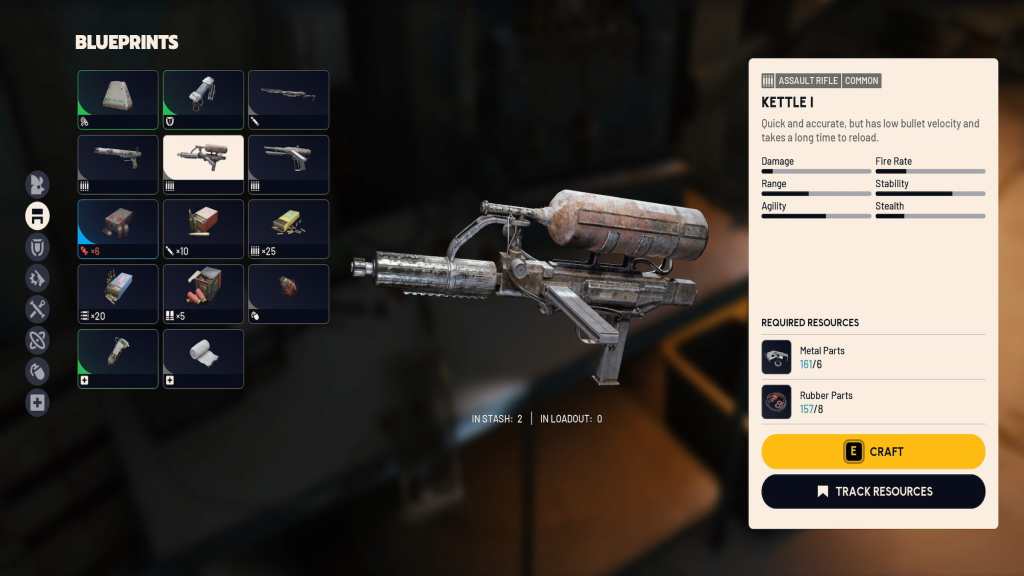
The Kettle’s dominance came from a different angle, but it was just as disruptive. With an extremely high fire rate, the weapon shredded opponents before most SMGs could realistically respond. While not every player abused it, the existence of macros that could reliably hit its maximum fire rate created an uneven playing field. In practice, that meant some Kettles melted targets faster than anything else in the game, even when positioning or aim should have favored the defender.
Together, these tools shifted Arc Raiders away from its strongest PvP identity. Gunfights became less about reading an opponent and more about anticipating explosives or instant DPS bursts. That imbalance made other options feel like bad choices, even when they were otherwise well designed. When most players feel pressured to run the same grenade and the same weapon, something has clearly gone wrong with the meta.
Why Players Think the Nerfs Might Not Be Enough
The January 1.11.0 update does address the problem areas, at least on paper. The Kettle’s fire rate was reduced from 600 to 450, with Embark directly calling out macro usage as the reason. In theory, this should rein it in and allow weapons like the Stitcher to contest it more fairly. Slower firing means missed shots matter more, and raw spray power should no longer dominate every close-range engagement.
The issue is that the underlying macro problem still exists. Lowering the fire rate reduces the gap, but it does not remove the advantage of perfect, machine-like inputs. Players using macros will still extract maximum efficiency from the weapon, while others fall short. There is also the awkward reality that the Stitcher itself is widely considered overtuned and may, in the future, see some changes as well, which muddies the idea of overall balance with this change alone.
If one overperforming weapon is meant to counter by another, the meta has not actually improved. Overall, Embark really should have addressed the macro situation more directly, rather than making balance changes around its existence. This is just a band-aid that doesn’t actually cover the entire wound.
The Trigger Nade changes raise even more questions. Its damage falloff has been adjusted to concentrate damage closer to the center, and the arming delay was increased from 0.7 seconds to 1.5 seconds. While that sounds substantial, in real fights the difference is much smaller than expected. Skilled players already pre-plan detonations, and the base damage itself was not reduced. That means a well-placed Trigger Nade can still completely delete opponents, and many players will likely continue choosing it over gunplay if the radius nerf does not prove to meaningfully reduce its reliability.
What do you think? Leave a comment below and join the conversation now in the ComicBook Forum!
Most Viewed
-

Sony Pictures -
Image Courtesy of Marvel Comics -

Image courtesy of The Pokemon Company -

Image Courtesy of HIDIVE -

Image Courtesy of Netflix -

Image Courtesy of Marvel Studios