One of the reasons Assassin’s Creed has remained one of Ubisoft’s biggest franchises for nearly two decades is its ability to transport players to fascinating periods of history and bring them to life. Whether climbing Renaissance rooftops, exploring Revolutionary America, sailing across the Caribbean, or wandering feudal Japan, each setting becomes just as important as the protagonist. Some locations naturally generate excitement because they feel like obvious fits for the series. Others surprise players by revealing cultures and historical conflicts that deserve far more attention. Few historical settings have seemed more perfect for Assassin’s Creed than the one Ubisoft ultimately failed to fully embrace.
Videos by ComicBook.com
That setting was China, introduced through Assassin’s Creed Jade. Instead of becoming a full console and PC release, Ubisoft chose to develop the project as a mobile-exclusive title. While the game showcased an open world set during the Qin dynasty and even allowed players to create their own protagonist, limiting such an anticipated setting to mobile devices dramatically reduced its impact. At a time when Chinese history and mythology have become increasingly popular across gaming, it feels like Ubisoft missed the opportunity to create one of the franchise’s defining mainline entries.
China Deserved a Full Mainline Assassin’s Creed
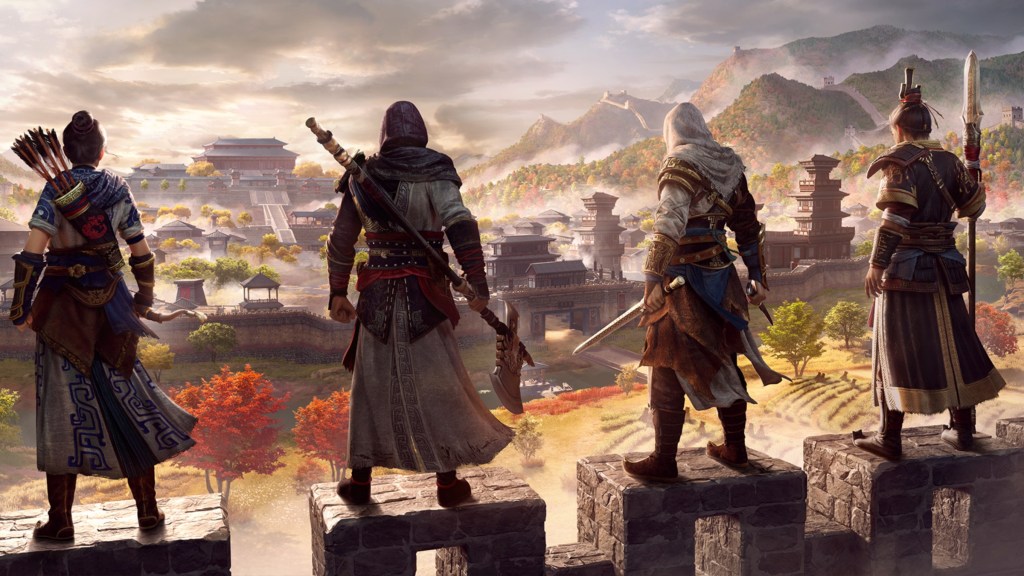
For years, China ranked alongside Japan as one of the settings fans requested most. The country’s vast history, shifting dynasties, legendary warriors, sprawling cities, and political intrigue align perfectly with the core themes of Assassin’s Creed. Hidden societies, palace conspiracies, and conflicts between freedom and control could have produced one of the franchise’s richest narratives.
Instead, Ubisoft announced Assassin’s Creed Jade as a mobile game. The game promised many features players expect from a traditional Assassin’s Creed, including parkour, stealth, horseback riding, open-world exploration, and customizable protagonists. Yet for many longtime fans, the mobile platform immediately lowered expectations and turned off many, myself included. Mobile games often struggle to attract the same audience as major console releases, regardless of their quality.
That decision meant one of the series’ most anticipated historical locations never received the spotlight it deserved. Rather than becoming the next flagship installment, Assassin’s Creed Jade disappeared from mainstream discussion. Outside dedicated fans following development, many players rarely mention it alongside the franchise’s biggest releases. I completely forgot about it even though I love Chinese history and Assassin’s Creed games. For others who enjoy the series, this just makes the sting of the wasted setting worse.
The Popularity of Chinese Settings Makes the Missed Opportunity Even Bigger
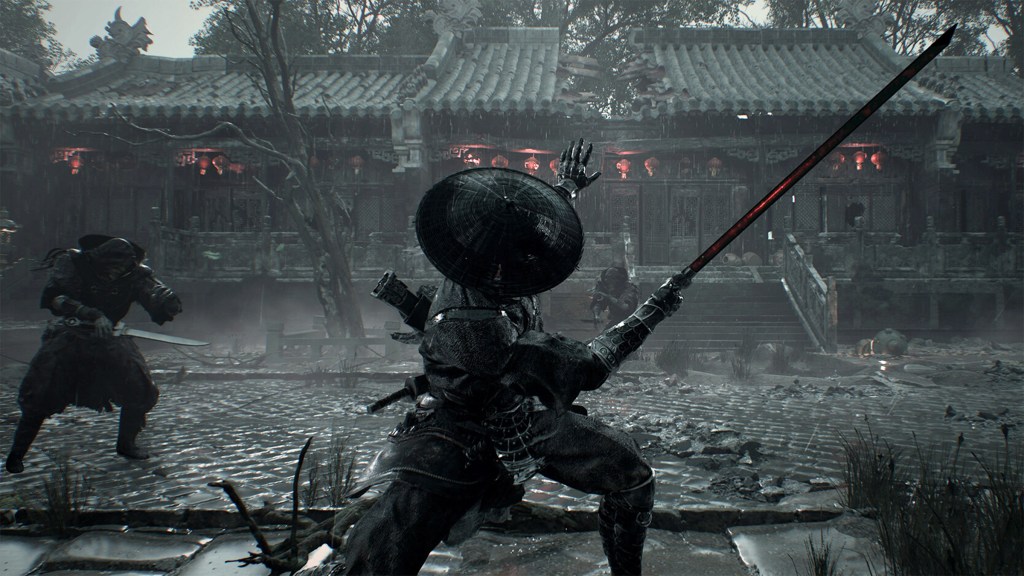
The disappointment feels even greater because Chinese-inspired games have enjoyed enormous success in recent years. Titles such as Black Myth: Wukong demonstrated that players have a huge appetite for adventures rooted in Chinese mythology and history. Other games have also embraced East Asian settings with remarkable success, proving audiences are eager to experience stories beyond the familiar medieval European backdrop. Few games are as anticipated as Phantom Blade Zero, and this just makes me wish Assassin’s Creed took the setting seriously.
This increasing trend makes Ubisoft’s decision feel increasingly difficult to understand. A fully realized Assassin’s Creed set across ancient China on modern consoles could have arrived at exactly the right moment. The franchise’s signature exploration, historical recreation, and stealth gameplay would have complemented one of the richest civilizations in world history. Assassin’s Creed Shadows felt like a band-aid to staunch the bleeding, but even this felt lackluster.
Ubisoft has rarely revisited the exact same historical setting in multiple mainline entries, preferring to move forward into new eras and locations. If that tradition continues, China may never receive the AAA console treatment fans imagined for so many years. That is a shame, because the history of this region is so fascinating, and I would love to see how a Templar vs. Assassins story could have unfolded in any one of China’s historical eras.
Mobile Exclusivity Held Back What Could Have Been a Franchise Highlight

Mobile gaming has become an enormous part of the industry, and there are excellent games available on phones and tablets. The issue was never the platform itself. The problem was choosing one of the franchise’s most requested settings for a release that many longtime Assassin’s Creed players were unlikely to experience. Ubisoft immediately shot itself in the foot with this decision. A mobile release should have revisited a familiar setting rather than a new one.
A full console and PC title would have allowed Ubisoft to fully showcase massive cities, dense parkour routes, advanced stealth systems, and large-scale storytelling without the expectations and limitations associated with mobile development. China deserved the same level of ambition seen in games like Assassin’s Creed Origins, Assassin’s Creed Odyssey, Assassin’s Creed Valhalla, and Assassin’s Creed Shadows.
Hopefully Ubisoft eventually finds a reason to return. Chinese history offers far too many fascinating characters, dynasties, and conflicts to leave behind after a single mobile-exclusive project. Until that happens, Assassin’s Creed Jade will remain one of the franchise’s biggest missed opportunities, not because of its setting, but because so many players never had the chance to experience what could have been one of the series’ greatest adventures.
What do you think? Leave a comment below and join the conversation now in the ComicBook Forum!
More Gaming
-

Paramount – Legendary Pictures -

Courtesy of Evil Empire -

Courtesy of Saber Interactive