With Fire Emblem: Fortune’s Weave launching exclusively on Nintendo Switch 2 on September 17, 2026, there has never been a better time to revisit some of the series’ best games. Intelligent Systems is taking the tactical RPG formula in another direction with Fortune’s Weave. The standout aspect is the Heroic Games, a competition where four protagonists pursue their own goals and the winner receives a single wish. Between battles, players can explore Dagsion, train, strengthen relationships, recruit allies, and prepare for their next fights.
Videos by ComicBook.com
That combination makes Fortune’s Weave particularly interesting for longtime Fire Emblem fans and newcomers alike. The game appears to bring together several ideas that have defined different eras of the franchise, including strategic battles, character relationships, exploration, recruitment, and multiple storylines. While it is not necessary to play previous entries to understand the new game, three particular titles can fast-track players into being prepared for one of the most ambitious games in the series yet. Each highlights a different part of what makes Fire Emblem special, from traditional tactical combat to character development and branching narratives.
3) Fire Emblem: The Sacred Stones
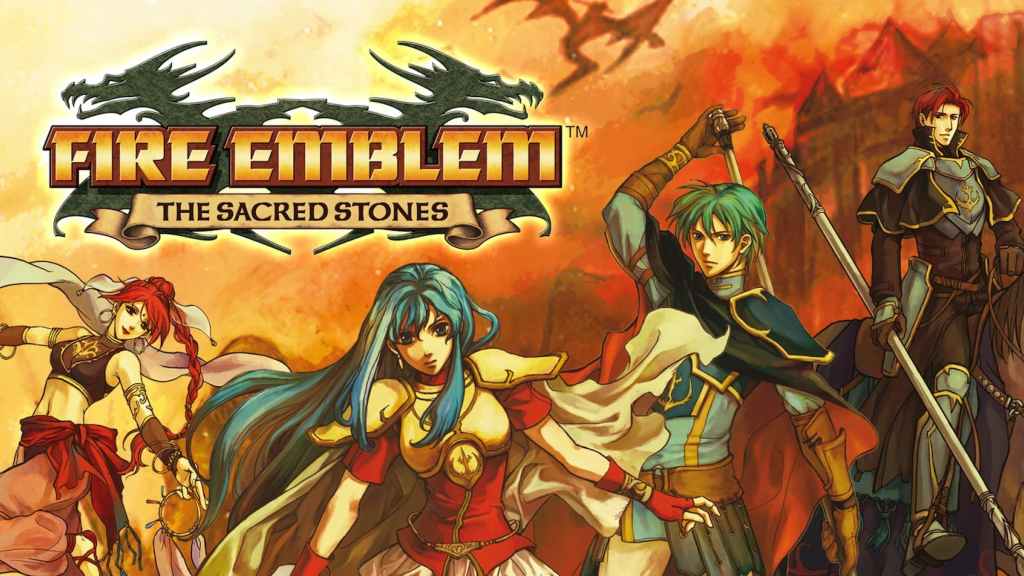
Fire Emblem: The Sacred Stones is one of the best games to revisit if the goal is to experience the original games. While not the first entry, it embodies the foundation of Fire Emblem while being more forgiving. Players follow royal siblings Eirika and Ephraim as they fight across Magvel, commanding units across grid-based battlefields. The game uses traditional Fire Emblem mechanics, including unit positioning, weapon management, experience, class progression, and permanent consequences for characters who fall in battle. It also features an overworld map and optional areas where units can gain experience.
What makes it particularly useful preparation is its approach to character growth. Units can reach Level 20 before promotion, while several classes offer branching promotion choices. A Cavalier, for example, can eventually become either a Paladin or Great Knight. The game also introduced trainee classes that provide additional progression possibilities. That emphasis on deciding how individual characters develop is valuable practice for any player preparing for another strategy RPG where army composition and character development can influence the outcome of battles.
There is also a narrative reason to play The Sacred Stones before Fortune’s Weave. Eirika and Ephraim eventually follow separate routes before their stories converge, giving players an early example of how the Fire Emblem series can tell related stories through different perspectives. Fortune’s Weave goes considerably further by placing four protagonists at the center of its story, so experiencing The Sacred Stones is a useful reminder that changing the player’s perspective can alter both the campaign and the battles.
2) Fire Emblem Awakening
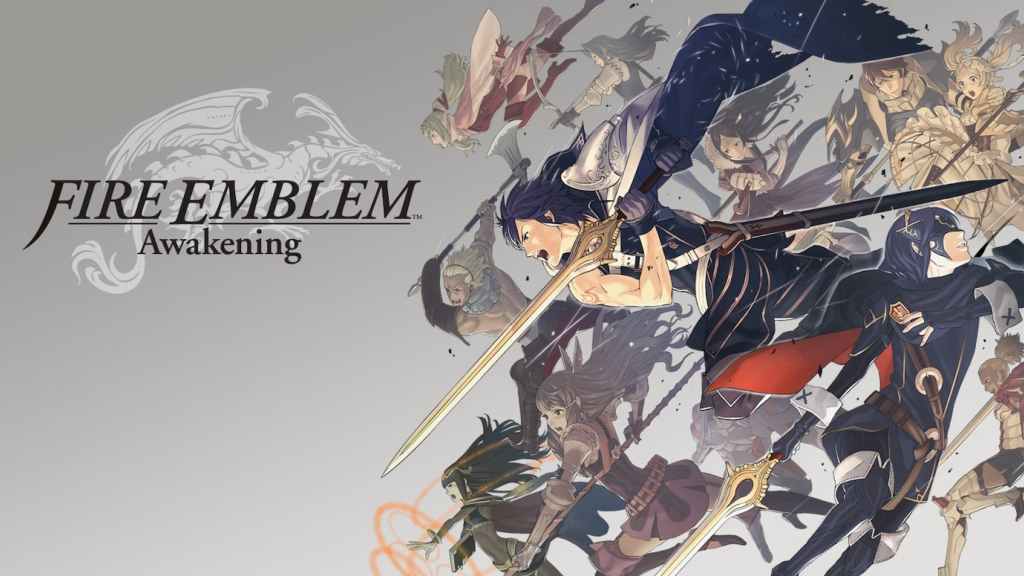
If The Sacred Stones teaches the fundamentals, Fire Emblem Awakening is a better introduction to the series’ modern emphasis on relationships and character customization. The game features a customizable Avatar, multiple difficulty settings, and both Classic and Casual modes. Classic Mode retains permanent character death, while Casual Mode allows fallen units to return after battle. That makes Awakening particularly accessible while still offering considerable tactical depth for experienced players.
Its biggest contribution to the formula is the Pair Up system. Two characters can combine into a single unit, with one providing support and stat bonuses while the other takes the lead in combat. Support relationships can also improve through fighting together, eventually reaching higher ranks. Certain characters can marry after reaching an S-rank support, with those relationships affecting the recruitment of second-generation characters. For Fortune’s Weave, this is useful preparation because Nintendo has confirmed that players can strengthen bonds and recruit new allies while progressing through the Heroic Games.
There is a larger appeal to Awakening, too. The best Fire Emblem campaigns are not simply about moving units around a battlefield. They are about deciding which characters belong together, determining how they develop, and building an army that reflects the player’s decisions. Fortune’s Weave appears to place considerable emphasis on its four protagonists and the relationships formed during the tournament. Playing Awakening beforehand gives players a strong understanding of how character bonds can influence both the emotional side of the campaign and the practical side of tactical combat.
1) Fire Emblem: Three Houses

No game is more appropriate than Fire Emblem: Three Houses. Fortune’s Weave appears deeply connected to the world of Fodlan, and while Three Houses likely isn’t necessary to know the plot, it would certainly add to it. Not only that, but it is the most similar in gameplay.Three Houses placed players at the center of a multi-faction conflict and asked them to choose one of three houses to lead. It combines academic life at Garreg Mach Monastery with tactical, turn-based battles, making it one of the most expansive examples of the series’ social and strategic systems.
The gameplay makes Three Houses especially relevant. Between battles, players can explore the monastery, interact with students, develop relationships, train skills, and recruit characters from other houses. Recruitment can depend on particular requirements or support levels, while the protagonist also manages the development of students through different classes. On the battlefield, units can use Battalions that provide stat bonuses and special Gambit attacks, adding another layer to positioning and tactical planning.
That combination makes Three Houses the closest preparation for what Fortune’s Weave appears to be attempting. The new game lets players explore Dagsion between matches, train at dedicated facilities, strengthen bonds, recruit allies, and venture beyond the capital to gain additional experience. Those systems should feel familiar to anyone who has spent time managing their schedule and relationships in Three Houses. More importantly, Three Houses demonstrates how tactical battles can become more compelling when players care about the people they are commanding. If Fortune’s Weave successfully combines its four storylines with that same sense of character investment, it could become one of the most ambitious Fire Emblem games yet.
More Gaming
-

Courtesy of Insomniac Games