Blizzard is one of the biggest names in gaming today, with some of the most influential and successful titles in the medium coming from under their umbrella. The likes of Overwatch, Diablo, Starcraft, and World of Warcraft. The publisher’s first titles came out in 1994, including a fantasy real-time strategy game titled Warcraft. Initially intended to be the first part in an ever-evolving franchise of titles, the success of the title convinced Blizzard to return to the fantasy realm for a proper sequel.
Videos by ComicBook.com
With a greater emphasis on storytelling, gameplay, and multiplayer, Warcraft II: Tides of Darkness was a major success for the developer. On top of earning expansions and remakes over the years, the true impact of the sequel expands far beyond the Warcraft series, with other Blizzard franchises and even entire genres of modern games stemming from the legacy of the series. 30 years later, it’s worth looking back at how Warcraft II was received upon release and the impact it continues to have on gaming.
New Horizons For Blizzard
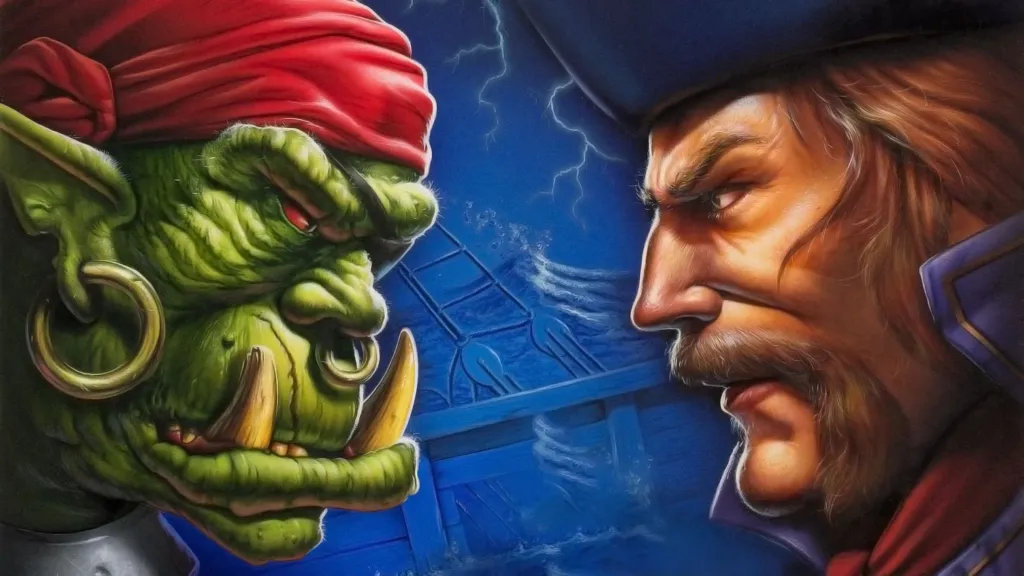
Warcraft II: Tides of Darkness was a big step forward for Blizzard when it debuted on December 9, 1995, and remains one of Blizzard’s most important releases. Following the successful release of the first Warcraft, a sequel was quickly moved into development. While early ideas for the sequel would have brought modern touches (including fighter pilots facing off with dragons), the team ultimately decided to keep things set firmly within the tone of the first game.
The game focuses on the Orc survivors of Azeroth, staging an invasion of the human kingdom of Lordaeron in a bid to find a new home. The title’s plotline was eventually given more focus in expansions like “Beyond the Dark Portal,” which put more emphasis on the internal conflicts of the Horde and teased the potential dark paths that humanity would take in future stories. Unlike the largely improvised plot of the first game, Warcraft II received a more concentrated and epic tale, introducing elements of the world that continue to play a part in the larger lore of World of Warcraft to this day.
Warcraft II was met with strong reviews from critics and helped cement Blizzard as a major contender in the strategy gaming space, and its legacy has only grown over the years, with many publications like PC Gamer and GameSpot singling it out as one of the best PC games ever released. Warcraft II: Tides of Darkness was (and remains) a blast, with the 2024 remake highlighting the underlying strength of the game design that is still addictive today. More than that, though, Tides of Darkness played a part in influencing how Blizzard moved forward as a developer and publisher.
How Warcraft II Shaped Blizzard’s Future
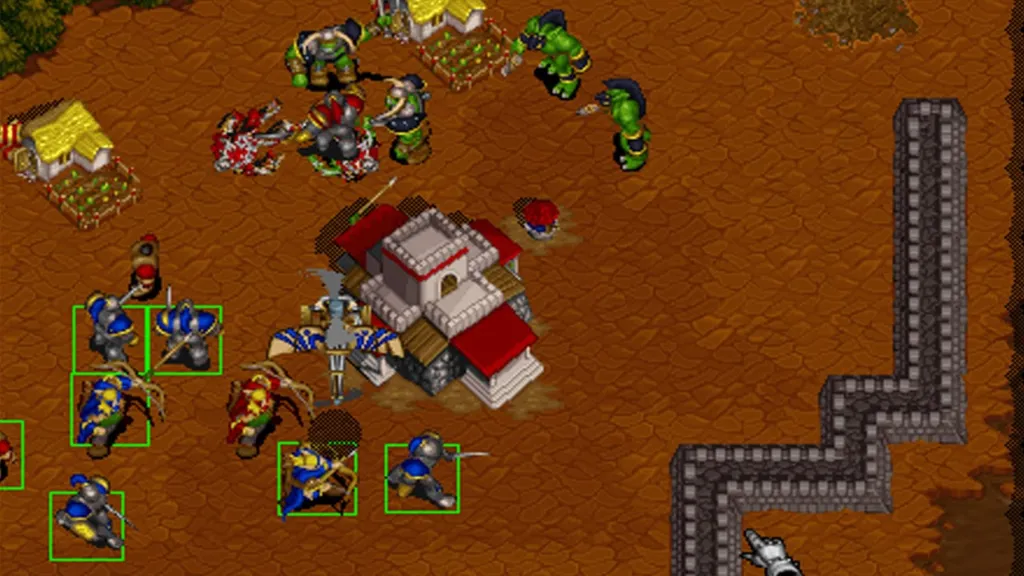
Warcraft II: Tides of Darkness introduced a lot of fresh elements to the genre that still influence games to this day. The game’s blend of ground troops, base construction, and vehicular combat is crucial to the way that Blizzard’s strategy games continued to develop — especially their subsequent strategy title, Starcraft. Although the game shifted focus to the cosmos for the space-based conflict between the Terran, Zerg, and Protoss races, Warcraft II‘s game design played a huge role in establishing the gameplay mechanics that made Starcraft such an enduring classic in the strategy space. Warcraft II also — as to be expected — played a big part in the eventual shape and design of Warcraft III, which in turn built off the foundation established before it to become a massive hit.
Warcraft II was also an early example of Blizzard working to make sure their games were readily available for multiplayer through online play. An early example of online play being a major part of the appeal of the RTS genre on PC, the game’s success helped push the publisher further in that direction. That success also ensured that Diablo followed suit when it was released just a few years later. In 1999, Blizzard published Warcraft II: Battle.net Edition, which incorporated Blizzard’s new online matchmaking and helped turn Battle.net into a major player in the online gaming space.
Without Warcraft II, a lot of the core design that has been consistent with Blizzard’s greater library of strategy games might have been missing. Without Warcraft II whetting the appetite for online gamers, Blizzard might not have committed so thoroughly to their focus on multiplayer in their titles, which helped transform Starcraft into an enduring entry in the competitve games space, set the groundwork for Warcraft III (which in turn helped inspire MOBA titles like League of Legends and DOTA), and even kept the Warcraft franchise growing into what it would eventually become with World of Warcraft. Warcraft II: Tides of Darkness is quietly one of the more important PC games of the 1990s, helping transform the landscape in some serious ways that are still felt today in modern gaming.
Most Viewed
-

Courtesy of TOHO Animation -

Image Courtesy of Marvel -

Image courtesy of Netflix -

Image Courtesy of A-1 Pictures