Ubisoft almost completed a trilogy of Assassin’s Creed games, regardless of it was ever actually intended for it to become one. Part of the success of the Assassin’s Creed franchise is that you can jump in just about anywhere in the franchise and not be lost. The modern-day storyline can be a bit intrusive and confusing, even if you have played all of the games, but that has taken more and more of a backseat over the years. In fact, the rumored Assassin’s Creed 4 remake is straight up cutting all of the modern-day content in favor of new content with Edward Kenway, which is a smart choice.
Videos by ComicBook.com
The only Assassin’s Creed games that feel like true sequels to each other are the ones with Desmond Miles in them, the main character of the modern-day storyline in the first five Assassin’s Creed games, and the Ezio trilogy. After that, the series became far more anthology-based with stories set in multiple different centuries and locations. However, Assassin’s Creed almost had one unifying setting that would’ve created an unofficial trilogy of games that would’ve chronicled an important part of world history.
Cancelled Assassin’s Creed Game Would’ve Completed an American Trilogy
A recent report from Game File’s Stephen Totilo revealed that Ubisoft cancelled a new Assassin’s Creed game last summer. This new game would’ve been set both during and after the American Civil War and followed a former slave who was recruited by the Assassins to battle injustices in the South. This would’ve seen the protagonist going head to head with the KKK among other evil forces that were prevalent in that time.
It sounded like a really cool concept for a game and one that would’ve needed to be handled with great care and intelligence, but if done right, it could’ve been one of the best Assassin’s Creed games in recent memory. However, one other detail being overlooked is that this would’ve rounded out a trilogy of Assassin’s Creed games set in the United States of America.
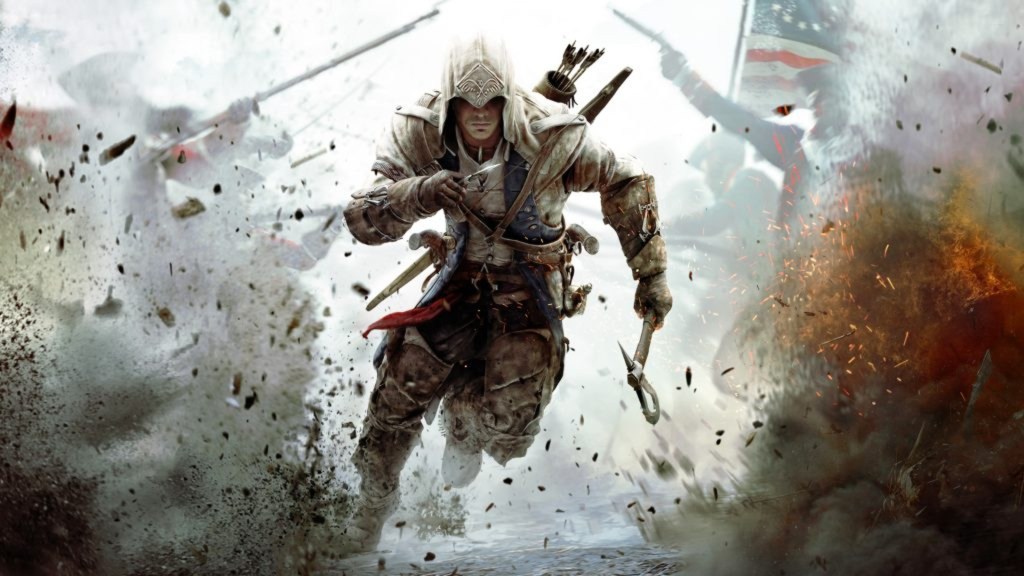
The other two games include Assassin’s Creed 3 and Assassin’s Creed Rogue, a somewhat under rated game in the series that was released for Xbox 360 and PS3 in 2014. Assassin’s Creed 3 famously placed you in the shoes of a Native American named Connor during the Revolutionary War. You fought side by side with American legends and bear witness to some of the most important events in the country’s history, such as the Boston Massacre and the Boston Tea Party.
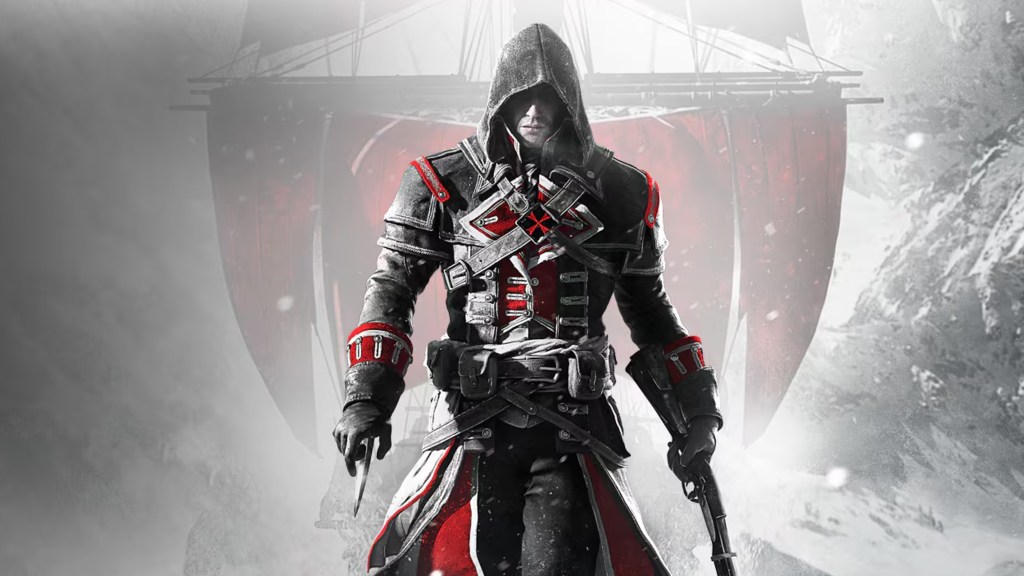
However, this would’ve technically been the second game in the trilogy, chronologically speaking. Assassin’s Creed Rogue takes place both before and during the French and Indian War, roughly a decade before the events of Assassin’s Creed 3. The game allowed you to play as an Assassin named Shay Patrick Comarck who defected to the Templars after questioning the Assassins motives and tactics.
Although the game is more global, as it leans heavily on the naval mechanics introduced in Assassin’s Creed 3 and 4, Cormack does go to New York, meets Benjamin Franklin, and plays a role in the events that would overall shape the world. The French and Indian War had major consequences on the world, namely the fact that it doubled Great Britain’s national debt and led to it imposing new taxes on colonies, which riled up the citizens, leading to protests and eventually the American Revolution.
History is one big example of cause and effect. Although these three Assassin’s Creed games would’ve been decades and even centuries apart in the case of one of them, it would’ve told an important story about one of the biggest countries in the world, chronicling some of its most pivotal moments that formed the backbone of the United States. In the case of Assassin’s Creed 3 and Assassin’s Creed Rogue, they already have direct overlap.
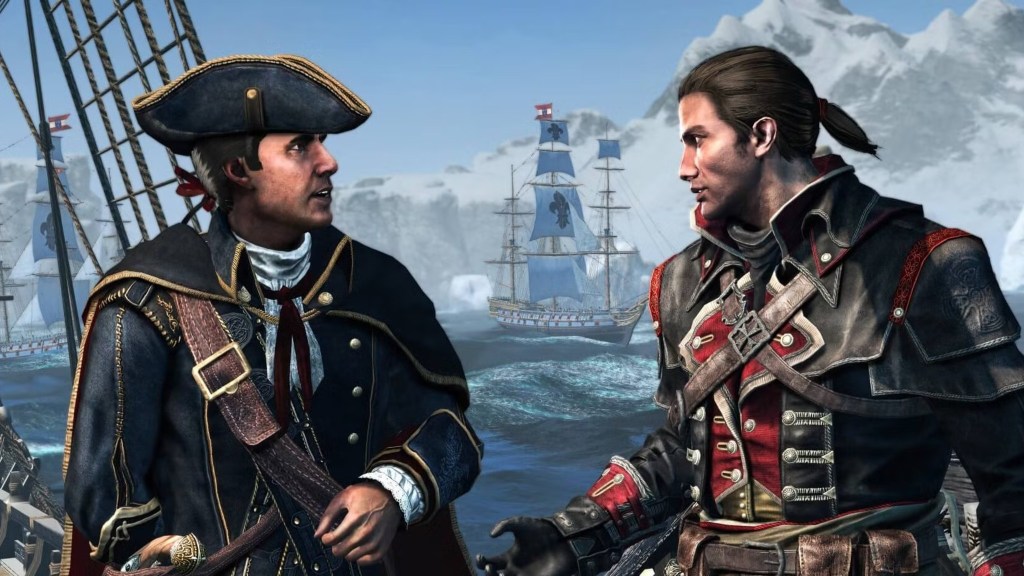
Cormack has a whole storyline with Haytham Kenway and it all sets up Assassin’s Creed 3. Rogue is essentially a prequel to Assassin’s Creed 3, so Ubisoft had already done a lot to connect the two games. Would the canceled Civil War Assassin’s Creed game have connected back to those in any meaningful way? It’s hard to say, though I’d probably guess not, since it would’ve likely been released close to 15 – 20 years after those two games. Still, Ubisoft could’ve had little nods and references to those stories to try and solidify some kind of connection for fans.
Either way, it’s all one big missed opportunity. Maybe Ubisoft will revisit the United States in a future Assassin’s Creed game, but it’s hard to say. Sources told Totilo that Ubisoft was wary of touching a politically-charged story like that due to the tensions in the world. If it ever happens, it may be many years from now.
What do you think? Leave a comment below and join the conversation now in the ComicBook Forum!
Most Viewed
-

Image Courtesy of A-1 Pictures -

Image Courtesy of Prime Video -

Image courtesy of Square Enix and Tactic Studios