The video game medium is full of plenty of conventional archetypes you see a lot, chief among them zombies. The undead hordes make for terrific targets in games, with plenty of room to experiment with approach and style to make them unique. Action, horror, comedy, and all sorts of games have been able to mine the tension and terror that comes inherently with the creatures. Conversely, it can be hard to be a zombie game and then stand out from the competition.
Videos by ComicBook.com
Dead Island had a real advantage before it debuted in 2011, thanks to a widely acclaimed cinematic trailer teasing the world. The slow-motion short is a terrific little piece of digital filmmaking, which made the game’s more mundane elements feel all the more frustrating. Fifteen years later, Dead Island‘s trailer is still the most frustrating bait-and-switch in the history of gaming advertising.
I’m Still Mad About Dead Island’s Great Ad And Dull Game
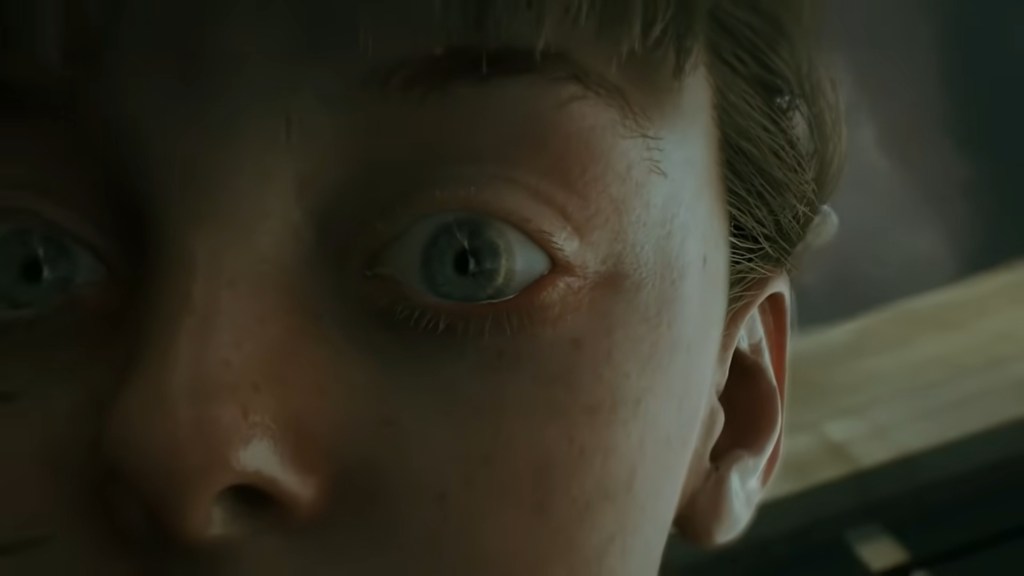
Fifteen years later, Dead Island remains the ultimate example in gaming of a great commercial overselling a lackluster game. When Dead Island was announced, it came with a cinematic trailer that implied a much more emotional and dramatic game. The trailer follows a young girl amidst a zombie outbreak. She is bitten while being saved by her father and succumbs to the virus. She attacks her family, leading to their deaths and the girl being thrown out a window in the chaos. Most of the short is shown in slow motion and in reverse to soft music, giving audiences a more contemplative story than one might usually expect from the horror subgenre. Produced by Axis Animation, the short was a more artfully minded approach than most gaming trailers, delivering a feeling of bleak heartbreak at the harsh reality of being caught in a zombie outbreak. Released in February of 2011, the trailer was a haunting take on the zombie outbreak that feels genuinely emotional in a way video games about that monster rarely do. The cinematic went viral online and was widely praised and earned an award from the Cannes Lions International Festival of Creativity.
However, some journalists feared that the game wouldn’t be able to match that focused emotional tone and approach. They ended up being right, as the actual Dead Island game was a different beast altogether. The four-person co-op game was far more indebted to games like Left 4 Dead or Borderlands in terms of tone and style, a far cry from the more emotionally driven beats in the trailer. The trailer set up an emotional exploration of the zombie narrative, a moment of terrible tragedy amid all the chaos of a zombie game. Instead, the actual tone was more driven by gallows humor and snarky turns, befitting a game that feels very much of the Zombieland era. It was a basic zombie game that wasn’t as refined as something like Left 4 Dead, making it a decently fun game but an overall mediocre experience. The game received middling reviews when it launched but sold well enough to justify a sequel that launched in 2023 to a better reception, but neither game was able to actually and accurately reflect that artistic and emotional approach the trailer conveyed so masterfully.
How Gaming Advertising Has Evolved Since Dead Island
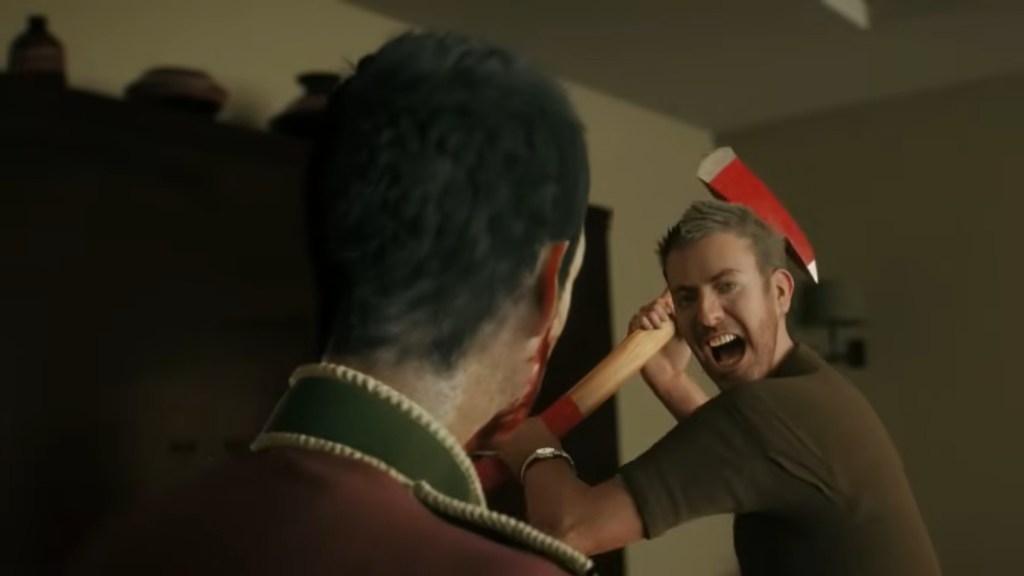
Gaming advertising has grown a lot over the years, especially in light of Dead Island. By all metrics, it was a rousing success as a commercial. It brought a lot of attention to a game that may have otherwise been overshadowed by all the other major additions to that genre. It also led to a lot of disappointment upon release because of how it failed to reflect the game itself at all. There were no gameplay teasers, no indicators of the actual tone of the experience. It made those who were critical of the base game even more so, especially if they had been fans of the trailer.
In the years since, gaming advertising has gotten more specific. Trailers and teasers are still used to sell games that are years from release, but there has been a shift towards more accurate representations of the actual games in the trailers. Social media has become a more prevalent factor in gaming advertising, with streamers in particular potentially upending any chances for a game to present itself in one form and then turn out to be something different. It feels like today, the fears some developers on Dead Island about the trailer being too different from the game would be taken more seriously.
That would have been more reflective of the game itself, but it would have deprived us of a genuinely great short film that just so happens to be tied to a video game. Other all-time great cinematic trailers for titles like BioShock and Diablo 4 worked as stand-alone stories while still being reflective of the lore, style, and tone of the game they were representing. Fifteen years later, it’s still frustrating that Dead Island wasn’t the game it set itself up to be.
More Gaming
-

Courtesy of Wizards of the Coast -
Image Courtesy of Kwalee