Being a killer app is a unique advantage for any series, forever tying together a console with a specific release. It goes back to the earliest days of console gaming, with titles like Super Mario Bros. and Sonic the Hedgehog being the must-play games that came with the original Nintendo or the Sega Genesis. It’s a trend that continues to the present day, with games like Mario Kart World being the big game for the Nintendo Switch 2.
Videos by ComicBook.com
The Xbox consoles have gone through a similar trajectory, with titles like Halo: Combat Evolved becoming massive hits partly because they helped launch their respective console. Another such success came for the Xbox 360 a few years later, with Dead or Alive 4 becoming one of the biggest early releases for the console. Two decades later, it’s important to look back at how much of a success the game was, how influential it became on the genre, and how it became a final victory for the original Team Ninja before it changed forever.
Dead Or Alive 4 Was One Of The Xbox 360’s First Early Hits
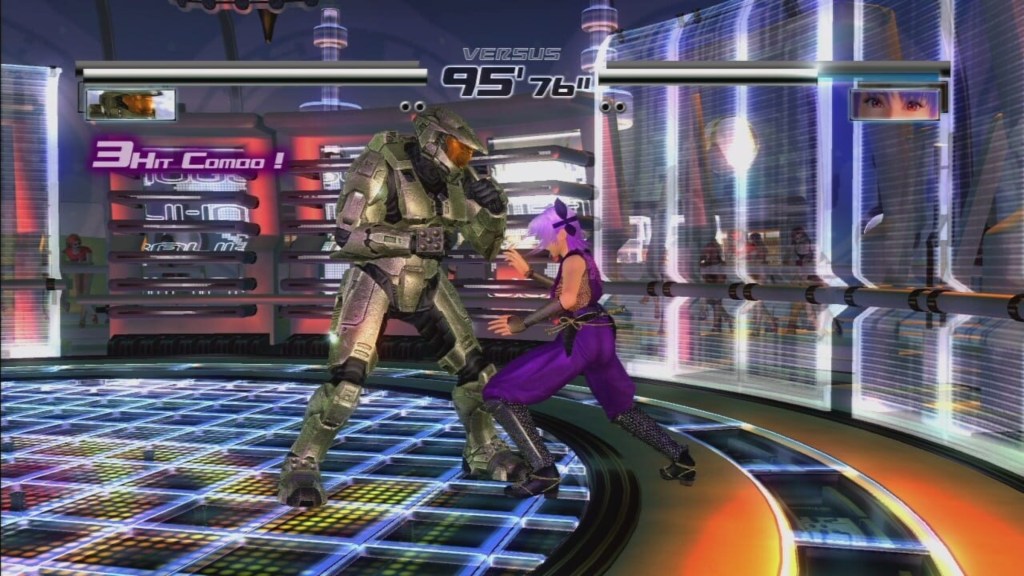
Released 20 years ago today, Dead or Alive 4 was a high point for the series and a major launch title for the Xbox 360 — and the final entry in the series before the Koei Tecmo merger signaled a major shift for the franchise. Following the tradition with Dead or Alive 3 as a launch title for the original Xbox in 2001, Dead or Alive 4 was meant to give gamers who invested early in the Xbox 360 a great fighting experience. However, delays ended up pushing the release back by a month.
That additional time turned out to be a blessing in disguise, as it gave the team behind the game more of an opportunity to refine the experience. Developed by Team Ninja (who had found consistent success with the Xbox in this era thanks to Dead or Alive and the Ninja Gaiden series), Dead or Alive 4 improved on the previous entry with an expanded roster and tighter gameplay. The counter system was expanded in some key ways, feeling like a step forward for the fighting genre as a whole. The game even included a crossover with Halo in the form of Spartan-458, a close-combat expert from the Bungie series, which helped cement the franchise as a key Xbox series
Dead or Alive 4 was a solid success across the board, with critics impressed by the depth and broader audiences embracing the title to the tune of over a million copies sold within a six-month window. The game even became a consistent prescene in esports at the time, all while helping establish some of the common elements players still find in online fighting games two decades later, like Avatars and Virtual Worlds that could be customized. By most metrics, Dead or Alive 4 was a huge success for Koei and Team Ninja, becoming one of the best early releases for the Xbox 360 and a highlight of the franchise. It was also, unfortunately, the final Dead or Alive before a major sea change impacted the team behind the scenes.
Dead Or Alive 4 Ended Koei’s Solo Era

Although Team Ninja had been planning development on Dead or Alive 5 as early as 2006, series creator Tomonobu Itagaki told the press in 2008 that Team Ninja had decided they had reached the pinnacle of the series with Dead or Alive 4. At least at the time, it seemed like the series would be finished. However, it wouldn’t be long before Tecmo faced some internal problems that kept the series out of active development. A series of lawsuits and accusations of unpaid wages led to Itagaki leaving the company.
In the aftermath, Tecmo merged with Keo to form Tecmo Koei Games in 2009. While Team Ninja continued to exist, it was no longer the group that had originally found such success with the DOA and Ninja Gaiden franchises. Although the new company would eventually release new games like Dead or Alive Paradise for the PSP and Dead or Alive 5, these subsequent releases were met with more mixed reviews and lesser sales than games like Dead or Alive 4. Those titles also abandoned the Xbox exclusivity, launching on consoles like the PlayStation 4 as well.
The series has more or less been inert since 2019’s Dead or Alive 6, with the lack of new releases even being cited by Tekken 8 producer Katsuhiro Harada as a reason there won’t be a crossover between the two franchises. Dead or Alive 4 was a major moment for the Dead or Alive series, when the series had risen to become fierce competition for the landmark fighting franchises like Virtua Fighter, Street Fighter, Mortal Kombat, and Tekken. In some ways, Dead or Alive 4 remains a testament to how easily behind-the-scenes can sink otherwise surefire franchises. Still, fighting game fans can look back at the success of Dead or Alive 4 and reflect on how important the game was in helping establish the Xbox 360 as a major success.
Most Viewed
-

Courtesy of The Pokemon Company -

Warner Bros. Animation / Cartoon Network Studios -

Image courtesy of Marvel Studios -

Image Courtesy of Amazon MGM Studios