One of the most anticipated RPGs right now is The Elder Scrolls 6, which is likely Bethesda Studios’ next massive project after Starfield. The Elder Scrolls 5: Skyrim is one of the most celebrated games ever made, but the criticisms of it, Fallout 76, and Starfield itself highlight a concern many fans have concerning its long-awaited sequel. The design approach Bethesda typically uses for their games has left some fans wanting for more, especially with other fantastic RPGs releasing since Skyrim‘s success.
Videos by ComicBook.com
Unfortunately, The Elder Scrolls 6‘s release date is fairly far off, likely not even going into player’s hands until at least 2028, with 2027 being a generous assumption. While this may be disappointing, it does give Bethesda plenty of time to make adjustments and refine this project into the best game it can possibly be. However, similar time was put into titles like Starfield, which still had many of the trends prevalent in Bethesda games that fans have soured on over the years.
The Elder Scrolls 6 Will Likely Follow Skyrim’s Approach To RPG Systems & Open World Design
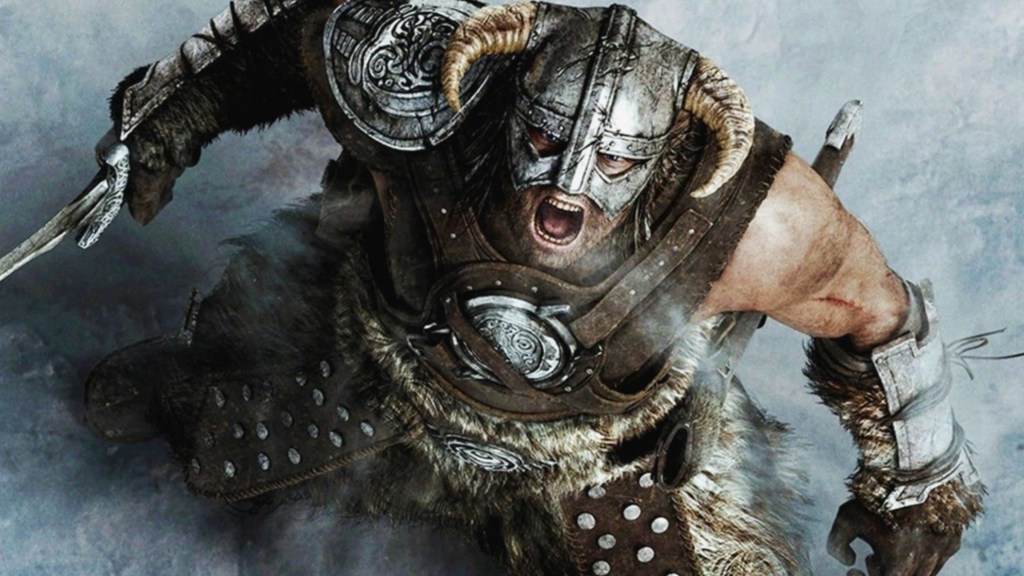
One of Bethesda’s biggest claims to fame is how deep their world design goes, something that started with The Elder Scrolls 3: Morrowind, but was elevated in Skyrim. Open world RPGs are often defined by Skyrim, featuring a world with tons of content for players to discover naturally as they explored. Major cities, dungeons, various factions, and other obscure locations were always interesting to find, padding the hours of your experience as you investigated various places.
While Skyrim showed a detailed approach to this open world design, Starfield showed the many flaws with this system. Bethesda tends to reuse the general layout of certain landmarks on repeat, sometimes duplicating the dungeon design of one location in another part of the open world. Starfield was notorious for having large, empty planets your character could visit with only one real place to go, which ended up being a replica of a base or outpost you’d seen before.
Similarly, Skyrim‘s RPG systems had a repetitive element to them as well. Skill trees had diverse enough perks to help you create a detailed character build, but whatever path you chose hardly matters within the game itself. In Skyrim, you can be a master thief, mage, and warrior all at the same time, as long as you have leveled up enough to max out everything. Starfield had some variation to this with your starting Background, but this was minimally used beyond character customization.
Any iteration of The Elder Scrolls 6 that keeps elements of Skyrim or Starfield might suffer from the problems those games had. While the open worlds of Bethesda games are unique, their empty or repetitious nature has been well documented time and time again. Furthermore, without deep RPG mechanics at their core, players are unlikely to stick around for a full playthrough of Elder Scrolls 6, in the same way that many drop Skyrim before reaching the ending.
Kingdom Come: Deliverance 2 Offers More Weight To Its Role-Playing Mechanics
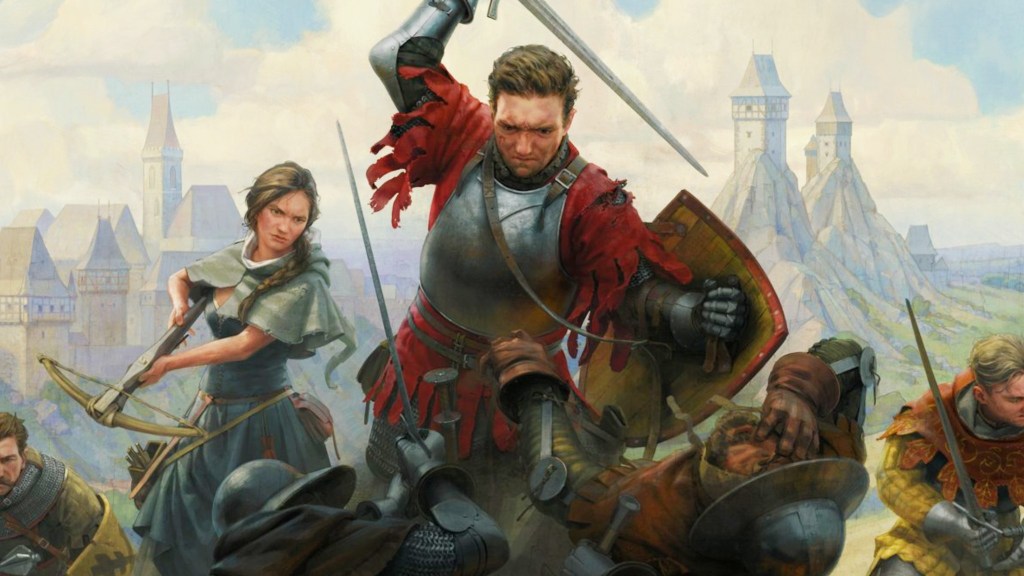
In a complete contrast, Kingdom Come: Deliverance 2 does the opposite with its approach to its RPG systems compared to Bethesda. Every choice matters in Kingdom Come, with their consequences affected every aspect of the game from that point onward. Skyrim isn’t well known for its branching paths, beyond just a few key choices in select quests. Kingdom Come: Deliverance 2, on the other hand, raises the bar by making sure every quest, stat, or fight leaves a lasting impact on the rest of your adventure.
The classic medieval setting of Kingdom Come: Deliverance 2 may not have magic or dragons like Skyrim, but its lack of fantastical friction doesn’t take away from the role-playing appeal. From the beginning of your journey, you have to actively work up your skills from scratch, deliberately deciding what to get better at as you run into obstacles in your path. Taking time to learn how the world works adds a greater sense of immersion than many other RPGs are ever able to reach.
Freedom of choice is all over this game, which combines with a wealth of activities to do within its open world. Kingdom Come: Deliverance 2 has just as much to do as Skyrim, but the things you choose to do has a better chance to shape protagonist Henry’s personality over time. When paired with Perks that add further depth to your character and the chance to easily die or fail quests without preparation, each of your actions in Kingdom Come feel like they have greater meaning on the larger setting.
Bethesda’s Approach Lacks Depth In Player Choices That Make RPGs Interesting
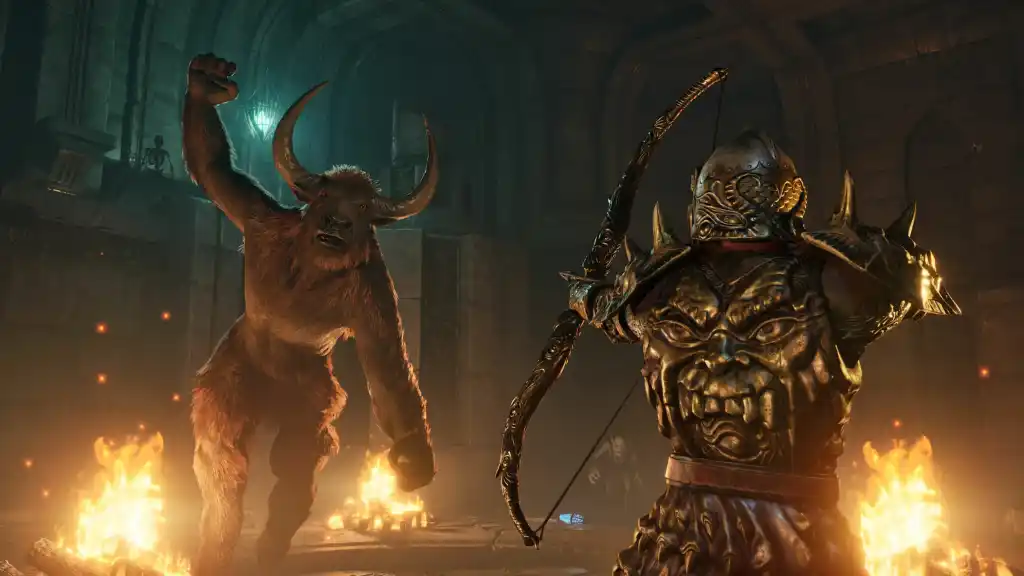
Although it’s not exactly fair to compare either design philosophy, the lack of impactful choices in Bethesda’s RPGs are something that have been lacking in past releases. Kingdom Come: Deliverance 2 may be a very different game, but it understands that tangible risks and fallout from player choices help shape a deep role-playing experience. Too often do Bethesda’s RPGs tend to always feel “safe,” with none of your decisions having much meaning in the long run.

The power fantasy of Skyrim and other games in the series is part of its appeal, but there is an argument to be made that an overhaul to this design might be a welcome change. For The Elder Scrolls 6 to succeed, Bethesda may need to take inspiration from other games like Kingdom Come: Deliverance 2, making players feel more grounded in the fantasy world for a more in-depth experience in Tamriel.
How do you think The Elder Scrolls 6 should approach its RPG mechanics? Leave a comment below or join the conversation in the ComicBook Forum!
Most Viewed
-

Courtesy of Sony Pictures Animation / McDonald's -

Image Courtesy of Netflix