Samurai games have always been popular, but Ghost of Tsushima took this to new levels. Sucker Punch created what many consider to be the greatest samurai game ever made, and then did it again with Ghost of Yotei. But sandwiched between these two incredible titles was another fantastic samurai game, one that flew under the radar. What attention it did receive criticized some aspects of it while ignoring what makes it special. If it weren’t for these comparisons to Sucker Punch’s titles, I fully believe this game would have been better received, and it should have been.
Videos by ComicBook.com
Marketing, timing, and a few missteps are all it took for Rise of the Ronin to be crowded out of conversation. The upcoming Ghost of Yotei overshadowed it, and many felt Team Ninja didn’t execute the samurai genre as elegantly as Ghost of Tsushima. However, the final nail in the coffin was the graphics, which many felt did not meet the standards of modern gaming. All of this came together, causing players not to see the diamond in the rough that was Rise of the Ronin.
Why Rise Of The Ronin Stands Out

At its best, Rise of the Ronin feels like a culmination of everything Team Ninja has learned over decades of combat-focused design. Weapon stances, timing-based counters, and aggressive enemy AI reward mastery rather than patience. Unlike many open-world games that dilute combat to accommodate scale, this one demands attention like other dedicated action games. Every encounter feels like a test of skill and rewards mastering Rise of the Ronin’s tools.
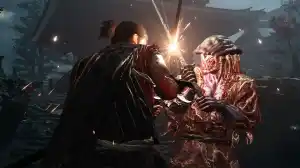
There is also something refreshingly grounded about its tone. Set during Japan’s Bakumatsu period, a time of political upheaval and cultural collapse, the game embraces moral ambiguity rather than heroic fantasy. You are not a legendary warrior destined to save the land. You are a ronin navigating chaos, choosing alliances, and surviving consequences. While it includes dramatic moments and stylized combat, it avoids romanticizing the era. The world feels worn, unstable, and human.
The game also shines in its approach to player choice. Factions are not clearly good or evil. Decisions echo politically and personally. This design choice enhances the historical setting and gives the narrative weight that many action RPGs lack. It brings a weight to the story and decisions the player makes that is surprising in a Team Ninja game. But this doesn’t detract from the combat, one of the studio’s hallmark traits.
Admittedly, Rise Of The Ronin Isn’t Perfect
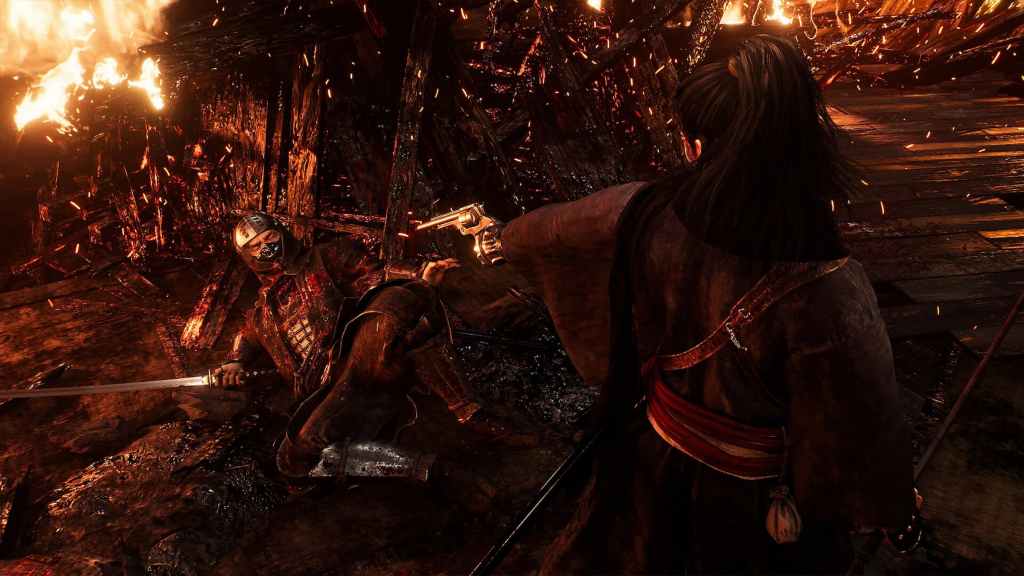
Despite its strengths, Rise of the Ronin struggled to win over a broad audience. Some of that criticism was fair. The open world, while atmospheric, can feel uneven. Certain areas lack visual variety, and environmental storytelling is not always as strong as it could be. Players expecting a constant spectacle sometimes found the pacing slow or inconsistent. There were explosive moments, but the presentation sometimes dragged in between.
Performance issues at launch also hurt its reception. Frame rate drops and technical hiccups overshadowed the game’s mechanical depth. With how precise the combat can be, these issues hurt one of the game’s most appealing aspects. While Team Ninja patched the game, the damage was done by early reviews, and unfortunately, many players never revisited the game after those early criticisms.
Also damaging was expectation. Rise of the Ronin was released into a market dominated by Ghost of Tsushima, a cinematic samurai game with incredible presentation. Many players expected something closer to this. And with Ghost of Yotei on the horizon, Rise of the Ronin felt stuck between a rock and a hard place. The game was criticized for not being something it never tried to be. In the end, it wasn’t what players expected, and it suffered for that.
Rise Of The Ronin Deserves Another Chance After Yotei

Comparisons are inevitable, and Rise of the Ronin could never escape the shadow of games like Ghost of Tsushima and Ghost of Yotei. These emphasize cinematic storytelling, visual splendor, and intuitive combat. It wants players to feel like they are starring in a samurai film. Rise of the Ronin wants players to feel like they are surviving history. Both games have similar elements but scratch different itches.
Where Ghost of Yotei excels in presentation and accessibility, Rise of the Ronin excels in systems and consequence. Combat in Ronin is harsher, less forgiving, and more expressive. Choices matter more mechanically and narratively. The experience is less polished, but more personal. One delivered spectacle. The other delivered tension. One guides players through a linear story while the other asks players to carve their own path through an open world. Neither approach is better universally, but only one was widely celebrated.
But it’s time for players to give Rise of the Ronin another chance. Time has been kind to Rise of the Ronin as Team Ninja has released updates to improve performance. So, if you are searching for a samurai game that challenges your reflexes and treats history with moral complexity, this is it. It may not be perfect, but it is ambitious and mechanically rewarding while showing Team Ninja’s skills outside of Ninja Gaiden.
What do you think? Leave a comment below and join the conversation now in the ComicBook Forum!
Most Viewed
-

Courtesy of Eight-Bit -
Courtesy of Kadokawa / Shosetsuka ni Naro -

Image courtesy of 20th Century Studios -

Photo by Jesse Grant/Variety via Getty Images -

Courtesy of Crunchyroll