One of the biggest arguments in gaming is physical vs digital games. Both have their advantages, but regardless of which side you come down on, most AAA games offer players the choice. However, Rockstar Games appears to be taking that choice away from gamers, as Grand Theft Auto 6 is set to launch on November 19th through a strange physical version. What makes this odd is that there is no physical disc in the box, only a download code. GTA 6 is one of the most highly anticipated games of all time, and this is a major blow to those who prefer physical versions.
Videos by ComicBook.com
The announcement has reignited conversations about digital ownership, game preservation, and the future of the used-game market. I’ve always enjoyed going into used game stores and discovering games I’ve never heard of or finding classic games I grew up playing. Many players have similar memories, whether they shopped at GameStop or a local independent retailer. That system only works when physical media exists. Once a boxed game becomes nothing more than a download code, resale disappears entirely. With a release as enormous as Grand Theft Auto VI abandoning discs, the industry may have reached another turning point, pushing physical gaming even closer to becoming a niche rather than the standard.
Physical Boxes Without Discs Change Everything
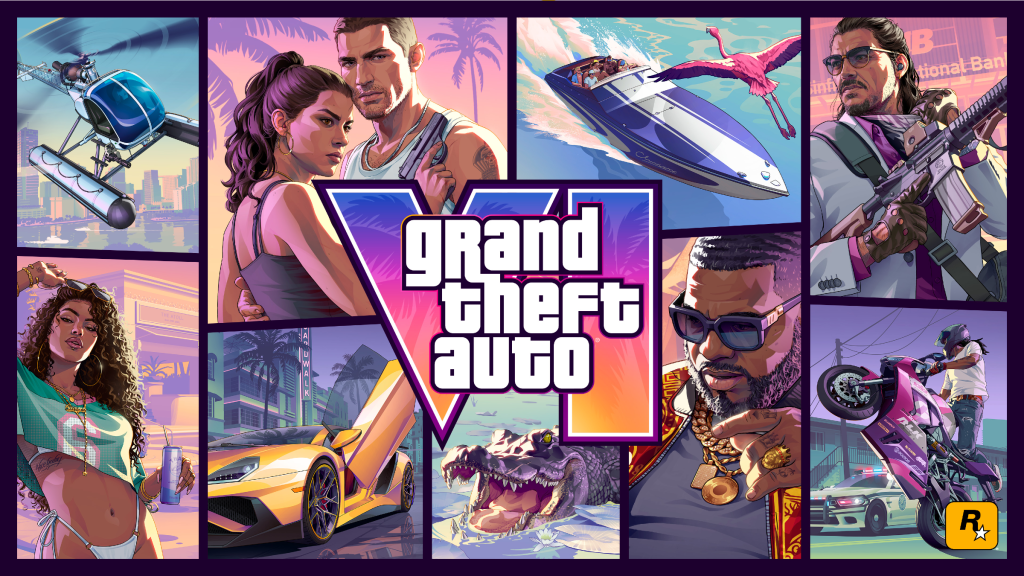
Rockstar has confirmed that retail copies of Grand Theft Auto 6 will contain a digital download code instead of a playable disc. Buyers will still receive a boxed product, but the game itself must be downloaded after on their PlayStation or Xbox. This feels almost pointless, but Rockstar Games likely still wants to put a GTA 6 box on the shelf so that players walking into stores will see the game and be tempted to buy.
By going this route, players are losing their ownership of GTA 6, as the digital version is a license rather than an actual product. This also means that the game will be tied to an account rather than being a transferable product. Players cannot trade the game after finishing it, lend it to a family member, or sell it through online marketplaces. The secondary market effectively disappears the moment the code is activated. I can’t count how many games I played because a friend loaned it to me, but this isn’t possible with GTA 6.
There are theories about why Rockstar Games has made this decision. One is that the studio doesn’t want physical copies to ship early. This would let people play the game ahead of release and leak the story and gameplay online. A download code prevents this even if the physical copy ships early. Another theory follows the rumor that physical versions will be released later, thus tempting players to double-dip. This theory is similar to the PC release, which has yet to be confirmed.
The Used-Game Market Was Already Hanging On
The used-game business has been shrinking for years. Digital storefronts have steadily increased their share of software sales thanks to instant downloads, seasonal discounts, and subscription services. Every major console manufacturer now promotes digital libraries alongside physical releases, reducing the number of players who buy discs in the first place. With better and more frequent sales on digital titles, plus ease of access, it is no wonder this is the preferred route.
While most major retailers distribute and sell new games, there are some, like GameStop, that offer used games. Smaller stores throughout the world survive by reselling used games. This simply isn’t possible with digital games, as they can only be redeemed once. As more blockbuster games move away from discs, those trade-in opportunities continue to disappear, making it harder for physical retailers to justify dedicating shelf space to boxed games.
With GTA 6 being one of the largest games in history, we could see it set a precedent. More and more developers could start forgoing physical copies and push digital only, or do as Rockstar Games does and include download codes in physical boxes. The success of this release could reinforce the idea that consumers no longer require traditional physical media, accelerating a trend that has been building for years.
What Happens Next for Physical Gaming?

The bigger question extends well beyond Grand Theft Auto 6. If gamers embrace download codes in boxes, this could be the new norm. Producing physical media costs money, while digital distribution provides greater control over pricing and eliminates the resale market. This will also make collecting games harder, as there either won’t be physical versions or reduced quantities.
This also raises questions about the next generation of consoles. Both Sony and Microsoft already sell digital-only hardware alongside disc drives. If publishers increasingly abandon discs anyway, future consoles could move entirely away from physical drives. Such a transition would reduce manufacturing complexity but would also remove one of the last remaining consumer protections tied to physical ownership.
For collectors, preservation advocates, and budget-conscious players, this future is difficult to ignore. Physical games provide options that digital licenses simply do not. They can be displayed, traded, resold, and in many cases preserved independently of online storefronts. Grand Theft Auto 6 may not end the used-game market overnight, but its digital-only “physical” edition moves the industry one step closer to a future where buying, selling, and sharing games becomes a relic of gaming’s past. As we continue down this path, players are losing more and more control of their gaming libraries and may find themselves at the whims of developers.
What do you think? Leave a comment below and join the conversation now in the ComicBook Forum!
More Gaming
-

Image courtesy of Capcom -

Image Courtesy of Sony Interactive Entertainment -
Courtesy of Nintendo -

Courtesy of Bandai Namco -

Image Courtesy of Rockstar Games