Hype is the lifeblood of modern gaming. Big studios spend months teasing their next projects, indie developers find clever ways to grab attention, and fans track every snippet of information that provides even the smallest molecule of hype. Without it, games can easily slip under the radar, no matter how solid they are. Players expect a story before the story begins, and silence in this landscape is almost impossible to ignore.
Videos by ComicBook.com
Highguard is, thus, an interesting case rarely seen within the industry. The game is merely weeks away from release, yet it has managed to stay mostly invisible. Its trailer at the Game Awards, meant to excite fans and generate buzz, left many scratching their heads instead. Generally speaking, everything shown was highly uninspired. What should have been a showcase of creativity came off as forgettable, not unlike the previously failed Concord: a dangerous comparison that many are making online.
A Game Launching Without a Voice
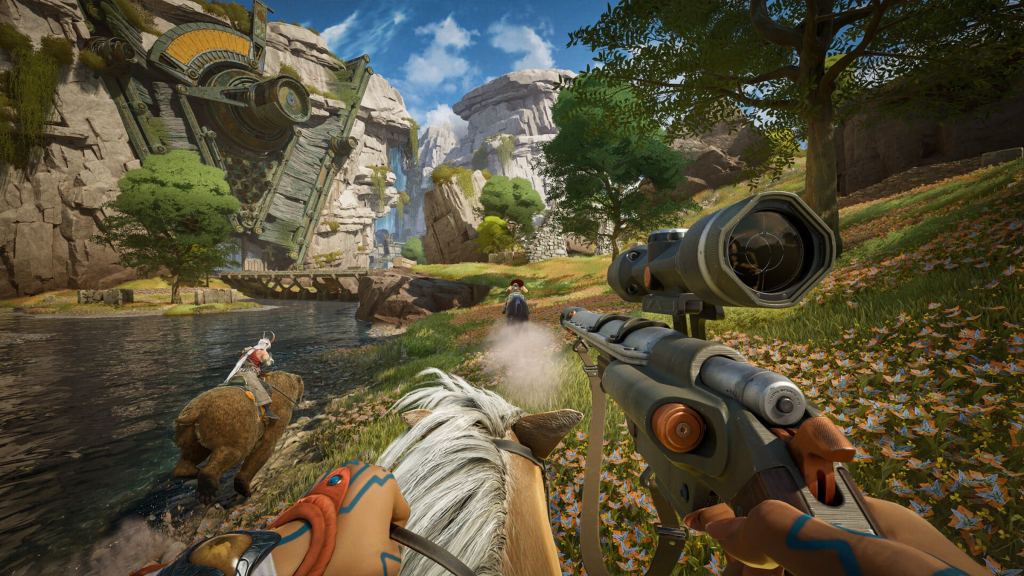
The Game Awards trailer for Highguard failed to deliver on multiple levels. Interestingly enough, Concord is what this game is most compared to, and that’s not a good signal, nor is it exactly a positive vote of confidence. These components started right after the trailer ended, so it’s had this stigma for quite some time now. This premiere simply did not match expectations, especially since it was the closing game premiere for the entire show: something that really did not do Highguard any favors.
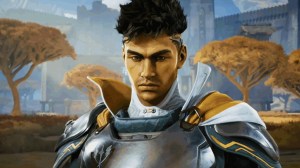
Beyond the trailer itself, the silence from the developers has been noticeable. No social media updates, no developer diaries, no insight into what changed after the premiere or how they plan to improve. In an industry where communication is crucial to building trust, Highguard is an unusual case. Most games, even those with small teams, actively keep fans engaged with behind-the-scenes glimpses, teaser clips, or commentary from the creators. Without that, players are left guessing, which can make disappointment from the trailer feel worse than it actually is.
This absence of voice has real implications. Players often judge a game not just by its content but by how the creators present it. A quiet launch risks leaving Highguard’s narrative in the hands of speculation and hearsay, meaning the studio could lose control of its own story before the game even goes live. Without clarity or communication, even potential strengths in gameplay or story may go unnoticed, buried beneath the silence that surrounds the launch. It’s particularly strange because you would think a triple-AAA title would want all the public buzz it can get, but Highguard has shown no signs of life since its world premiere. A red flag? A carefully laid plan? No one knows. But, as long as that trailer is all anyone has to think about, the game might be in for a rough launch.
When No Marketing Becomes the Story
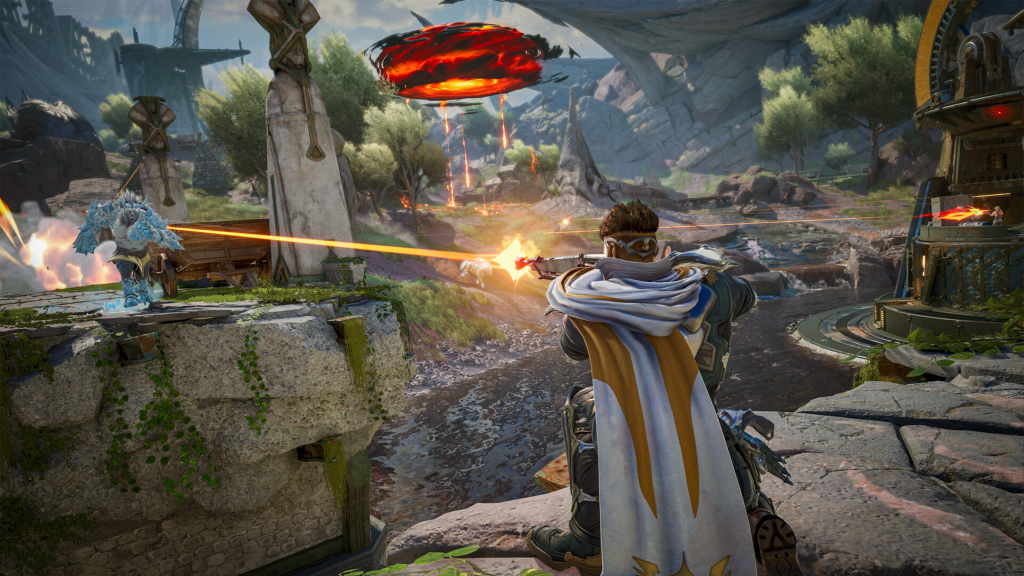
Marketing is not just about selling a game; it’s about framing expectations and creating conversation. Screenshots, trailers, interviews, influencer streams, and social media posts all shape how players perceive a title. When none of these exist, the absence itself becomes the focal point, which can easily overshadow the game itself with negativity (or positivity, but that seldom happens). That is exactly what is happening with Highguard. Its lack of promotion has become more noteworthy than any detail revealed in the trailer, and for a game so close to release, that is a worrying position.
Gamers who watched the Game Awards trailer had hopes for something memorable, but the combination of a flat premiere and near-total social silence makes it hard to stay invested. Players need touchpoints, opportunities to ask questions; bona fide glimpses behind the curtain. Without them, it feels as if the studio is either unprepared or uninterested in building a relationship with its audience. Even games that are technically solid can struggle if they fail to engage the community early.
The concern now is whether Highguard can recover from this quiet rollout. The game has not actually launched yet, and perhaps the Highguard team is still planning to do a media push. However, the longer the wait, the more concerned this situation becomes.
The developers need to do something fast to break that Concord label, or the game might just sink before it even gets a chance to float. How the studio chooses to respond in the final weeks before launch may determine whether Highguard can overcome these early missteps or end up mocked into quiet obscurity.
What do you think? Leave a comment below and join the conversation now in the ComicBook Forum!
Most Viewed
-
Image courtesy of Marvel Studios -
Image Courtesy of MAPPA