Especially in retrospect, it’s fascinating to look back at the successes and failures of the arcade era to see how it still impacts the gaming industry. Some of the biggest enduring franchises and companies in gaming got their start producing arcade cabinets before making the leap to home consoles. In that era, a single big release in arcades could translate into global success and pave the way for greater highs.
Videos by ComicBook.com
Look no further than SNK, which began life as a broader electronics company before shifting entirely into gaming thanks to a few big successes. One of the most important of these was Ikari Warriors, which first hit arcades in Japan on February 19, 1986. The action game was a bona fide hit for the company and an influential hit with gamers and developers alike, helping lay the groundwork for the later hits that the company would develop. Here’s how the Rambo-inspired action game helped turn SNK into a fan-favorite developer.
Ikari Warriors Was A Crucial Early Hit For SNK
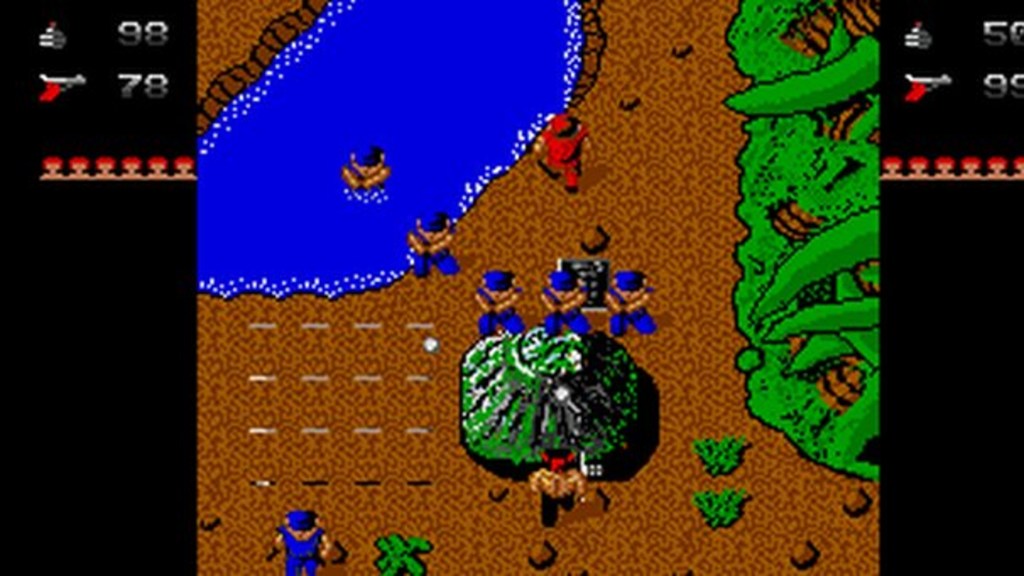
Debuting in Japan 40 years ago today, before making the leap to North America, Ikari Warriors was a massive hit for SNK — and was a huge breakthrough for the gaming company in the west, laying the groundwork for their later releases. Founded in 1978, SNK’s first few games failed to make much of an impression in Japanese markets until 1981’s side-scrolling Vanguard caught players. Initially working with Centuri for arcade distribution in North America, the growing success of those releases prompted the company to shift into distribution for itself. While the company had other successes during this period, its biggest hit quickly became 1986’s Ikari Warriors.
Designed and directed by Koji Obada, the game’s unique feature from a gameplay perspective was the fusion of run-and-gun shooters like Commando and the rotary joystick controls of titles like T.A.N.K. The top-down shooter set in a jungle took clear inspiration from films like Rambo, with playable characters Colonel Ralf Jones and Second Lieutenant Clark Still (renamed Paul and Vince for the American market), distinguished by their colored bandanas. The game was even initially intended to be a licensed adaptation of the Rambo character following the massive success of Rambo: First Blood Part II in 1985, but SNK couldn’t acquire the rights.
A massive success for the company and one of the best-selling arcade cabinets in the United States, the United Kingdom, and Japan over the next two years. Ikari Warriors received several adaptations to other platforms of the era, including the Apple II, the Commodore 64, the Atari 2600, and the NES, while also spawning two sequels and a spin-off titled Guerrilla War that used stand-ins for Che Guevara and Fidel Castro as the playable characters.
We Don’t Get SNK’s True Heights Without Ikari Warriors
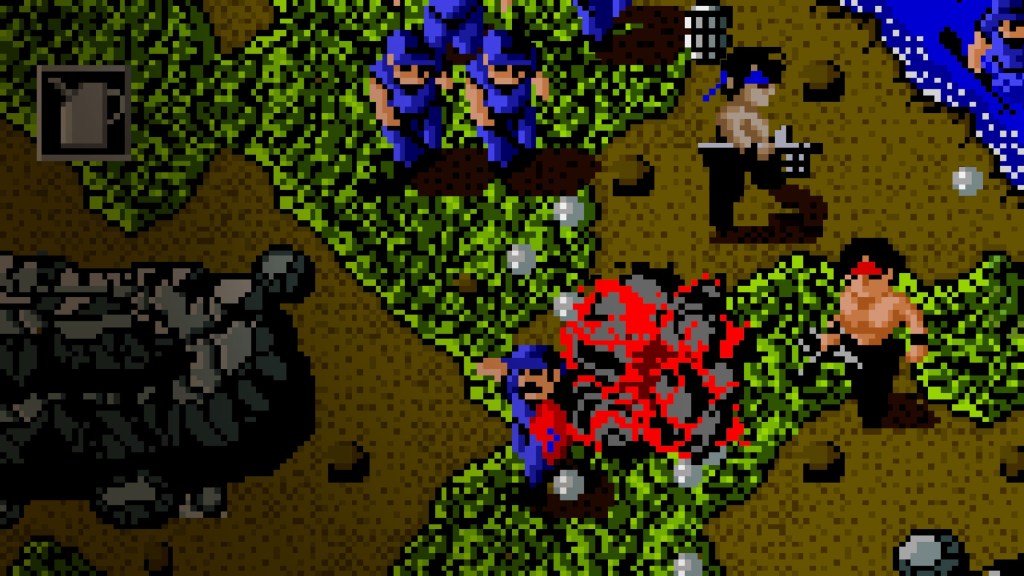
Those SNK ports of Ikari Warriors, especially for the NES, ended up becoming massive successes on their own, and helped give the company a major foothold in the console space, even as their development of the NeoGeo arcade cabinet — capable of including multiple games in one machine — became a massive force in the arcade-centered corner of the industry. Coupled with their continued focus on game development and willingness to release their titles cross-platform for companies like Nintendo and Sega instead of becoming an exclusive developer for one, SNK solidified itself as a major force in the industry.
The success of Ikari Warriors prompted the company to continue to expand its efforts, with the eventual release of the NeoGeo Advanced home console bringing the arcade experience into their homes. Ikari Warriors gave SNK a greater runway with publishers and players alike, leaving the door open for their further releases like Metal Slug and King of Fighters. The friendly rivalry the company developed with Capcom led to plenty of crossover games between the two developers, while also forcing both of them to up their game in terms of development. While the company suffered from the shift away from arcades and into 3D home consoles like the PlayStation — ultimately leading to SNK’s bankruptcy in 2000 and restructure into its current form as a developer — SNK’s legacy of games has ensured it remains a fan-favorite with gamers.
Ikari Warriors, as a result, remains one of the company’s most important releases. While they had solid success before that game, the sheer volume of Ikari Warriors‘ broad appeal in Western markets helped transform the company into a genuine titan of the industry that could, at its height, even throw its hat into the home console ring. The unique approach to gameplay inspired countless other games, and the DNA of many modern shooters can still be found in the game. Forty years later, most modern players may have never played Ikari Warriors — but plenty of their favorites might not have ever been produced if it weren’t for SNK’s breakout global hit.
Most Viewed
-
Image Courtesy of Madhouse -
Lucasfilm – 20th Century Studios