When Kingdom Hearts launched in 2002, it quickly laid the groundwork for an expansive franchise. The ambitious fantasy storytelling blended surprisingly well with an episodic narrative that brought players to different Disney movies, creating a vast world of original characters in contrast to the more established riffs on Disney icons and Final Fantasy mainstays.
Videos by ComicBook.com
Kingdom Hearts II quickly went into development, with Square Enix eventually releasing the title to much fanfare in 2005. However, in between the two games, there was a direct sequel to Kingdom Hearts for a completely different console. Kingdom Hearts: Chain of Memories launched on the Game Boy Advance 21 years ago today. The game also remains one of the strangest entries in the overarching franchise, which is saying something given the eventual scale and scope of the series.
Why Kingdom Hearts Went From PS2 To GBA
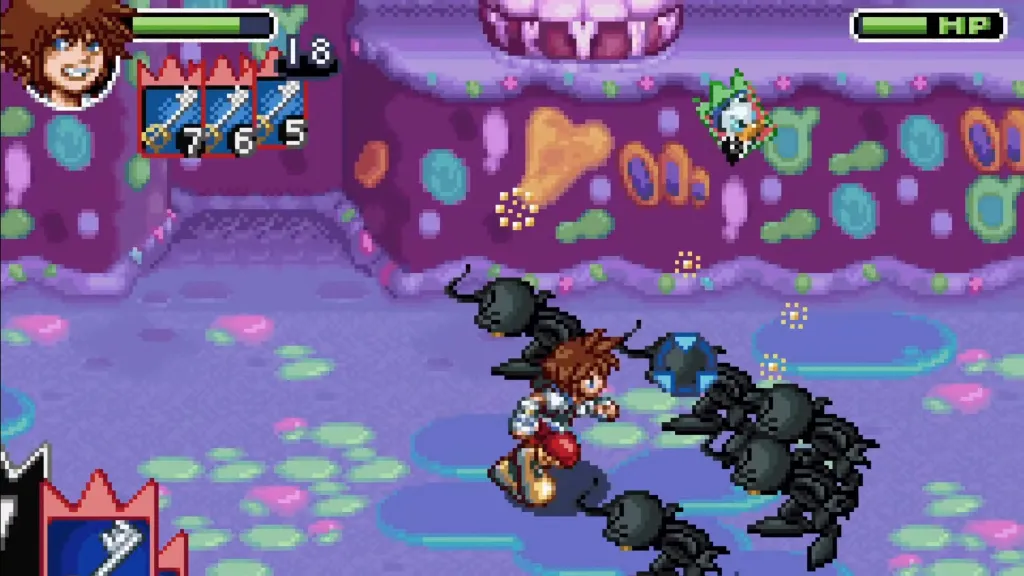
Chain of Memories was developed by game director Tetsuya Nomura and his team during the production cycle for Kingdom Hearts II. Although hesitant about adapting the 3D style of the first game to the handheld platform, Nomura was won over by fan requests for a GBA version of the first game. One of the biggest changes between the original Kingdom Hearts and Chain of Memories came in the shift in gameplay. While most of the Kingdom Hearts titles are action-RPGs that put emphasis on fluid combat, Chain of Memories added a deck-building element to the action. Attacks, spells, and summons were represented by cards that could be discovered across the landscape, with players capable of changing their decks to reflect their play style.
It retained its real-time action, but with the added chaos of random cards and combos. It was an odd decision that complicated the game on some levels, as the actual act of fighting was still a real-time action game. While combat was now set off by encountering an enemy and shifting focus to a smaller battle arena rather than taking place in the larger world as in the PS2 game, Chain of Memories still required players to actually move, dodge, and attack enemies in real time. It was a strange mechanic, not unlike something like Lost Kingdom. While the shifts made a certain amount of sense in the translation from PS2 to GBA, I’m still confused as to why the developers complicated the combat with full deck-building elements.
Kingdom Hearts: Chain Of Memories Is Surprisingly Important To The Lore
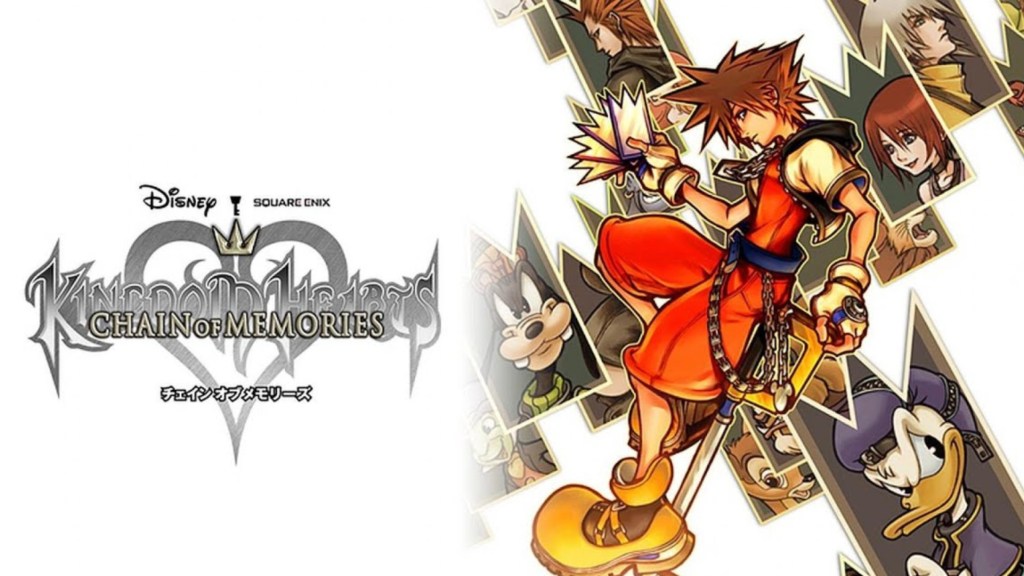
Being a GBA spin-off would imply that Chain of Memories is something of a throwaway tie-in title for the series, but that assessment would be way off. In fact, Chain of Memories is a surprisingly important entry in the series for the lore, and it introduces a lot of elements that make it almost required to understand what is going on in Kingdom Hearts II. Chain of Memories focuses on Sora, Donald, Goofy, and Jiminy Cricket searching for Riku and King Mickey following the events of the prior game. Their journey takes them to Castle Oblivion, a mysterious location controlled by Organization XIII. The cabal of Nobodies (the remnants of strong-willed people who’ve been turned into Heartless) is experiencing a power coup, with Sora and his allies manipulated by Marluxia in a bid to gain more power.
The Organization, which had been teased in the first game, went on to become the primary antagonists for the majority of the rest of the series and played a vital role in Kingdom Hearts II. The game also introduces Naminé, whose abilities and identity become increasingly important as the series goes on. The game also built on the themes from the first game about morality and memory, especially once the story shifted to Riku and his own adventures within Castle Oblivion as he contends with his past crimes. All of it helps lay the groundwork for Kingdom Hearts II‘s opening act, which is practically confounding to players who skipped this tie-in.
Chain Of Memories Is Weird, Even By Kingdom Hearts Standards
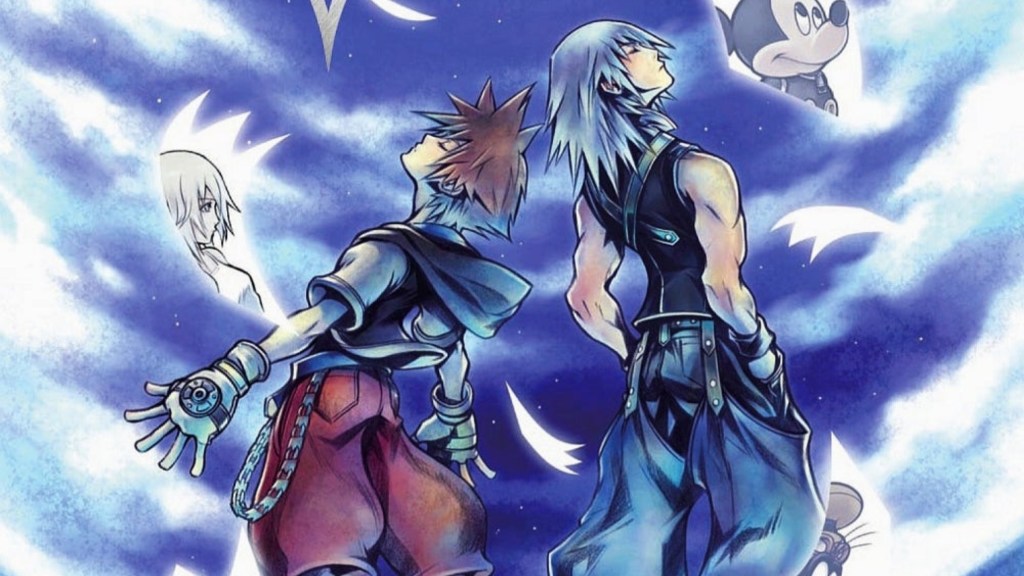
Kingdom Hearts is fundamentally an odd franchise, with its fusion of Disney characters and Final Fantasy tropes making for a knowingly bizarre and entirely sincere fantasy epic. To its credit, the series has largely leaned into that strangeness over the years, helping earn it a massive global fan base. Chain of Memories, especially for a title so early in the franchise history, feels like an especially ambitious swing from the series.
It repeated many of the levels and story beats from the first game, albeit with a more confounding aspect, thanks to the plotline’s focus on repeated and lost memories. It introduced a bevy of new characters with mysterious motivations and strange abilities, which could be overwhelming for players expecting a more basic interquel set between the first and second games.
The deck-building mechanics were an element dropped from future entries in the series, bringing the action back to the more streamlined approach of the first game. Even when the game was adapted for 3D re-release for the PS2, and then as part of the Kingdom Hearts HD 1.5 Remix, the card-based combat remained part of the game design. Chain of Memories, especially in retrospect, is an odd chapter in the overall franchise that feels more like a vital experiment than an oddball swing. Still, 21 years and multiple games later, Chain of Memories remains a crucial (and bizarre) part of the franchise’s history.
Most Viewed
-
Image Courtesy of Ufotable -

Image Courtesy of Crunchyroll -

Image Courtesy of Toei Animation