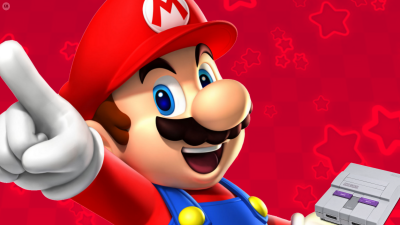
Every year, March 10th comes around, and Nintendo fans celebrate Mario Day. Mario is easily one of the most recognizable and iconic figures in gaming. Titles like Super Mario Bros, Super Mario RPG, Super Mario 64, Super Mario Odyssey, and more have defined the industry for decades. For longtime players like me, Mario Day always sparks memories of childhood afternoons spent jumping through the Mushroom Kingdom and discovering secrets hidden behind brick blocks. Yet there is another attribute that I now associate with the day and Nintendo as a whole.
Videos by ComicBook.com
As much as Mario Day celebrates Nintendo’s legacy, it highlights just how awful the company is at rewarding fans through sales. Discounts on this day are abysmal, with the best sales being set at roughly 33%. When you consider that these games are about five years old, or even just Wii U ports, it feels so disappointing. Comparing this to other publishers who at least mark their games down 50% shows how stingy Nintendo is when it comes to sales this generation.
Nintendo Games “Hold” Their Value

Nintendo has long defended its pricing strategy by leaning on the idea that its games hold their value over time. In many ways, that statement is true. Titles like The Legend of Zelda: Breath of the Wild, Mario Kart 8 Deluxe, Pokemon Scarlet & Violet, and Super Mario Odyssey remain popular years after release. These games continue to sell millions of copies well into the lifecycle of the Nintendo Switch.
The strategy clearly works. According to Nintendo’s financial reports, evergreen titles continue to drive sales years after their debut. Mario Kart 8 Deluxe, originally released on Switch in 2017, has become one of the best-selling games of all time. When fans pay full price, Nintendo has little incentive to cut the cost through sales or permanent price reductions like it once did with Nintendo Selects.
However, there is a difference between holding value and refusing to lower prices. Many Switch games that launched in 2017 still retail near their original price today. The Legend of Zelda: Breath of the Wild is the most egregious example of this. Nintendo is charging $10 more for the Nintendo Switch 2 version of the game, one that doesn’t include the DLC and that has a sequel in The Legend of Zelda: Tears of the Kingdom.
Most publishers gradually reduce prices to attract new players, yet Nintendo rarely follows that approach. First-party Nintendo games remain stubbornly expensive even after years on the market. This gives me little incentive to purchase Nintendo games during sales, and I turn my attention to other platforms like PlayStation 5 and Steam. There is no doubt that Nintendo makes some of the best games in the industry, but no game is good enough to retain its price like this when you consider all the factors.
Nintendo Game Sales Are a Joke
When Nintendo does hold sales, they rarely feel competitive with the rest of the industry. PlayStation, Xbox, and Steam all regularly hold sales that outshine Nintendo’s paltry offerings. Even on a specific day, like Mario Day, the deals are laughable. Sony and Microsoft hold better sales throughout the year, including on their own first-party titles.
The Nintendo Switch has seemingly made this problem even worse. Promotions on the Eshop frequently cap at around 30% off for many first-party titles. That might sound reasonable at first glance, but not when you see other publishers often discount their biggest releases by 50% or more after a few years. The result is that Nintendo sales rarely generate excitement. When browsing the store during one of these promotions, the same handful of games appear with similar discounts every time.
Personally, this has made it difficult for me to get excited about buying Nintendo games digitally unless I absolutely want them at launch. Waiting rarely leads to major savings. Over time, I learned that the discount will likely be minor even years later. That reality removes much of the anticipation that normally comes with a major gaming sale. This is one of the reasons I rarely purchase Nintendo games digitally, and only pull the trigger for a game I actually want.
Mario Day Discounts Don’t Feel Like a Celebration
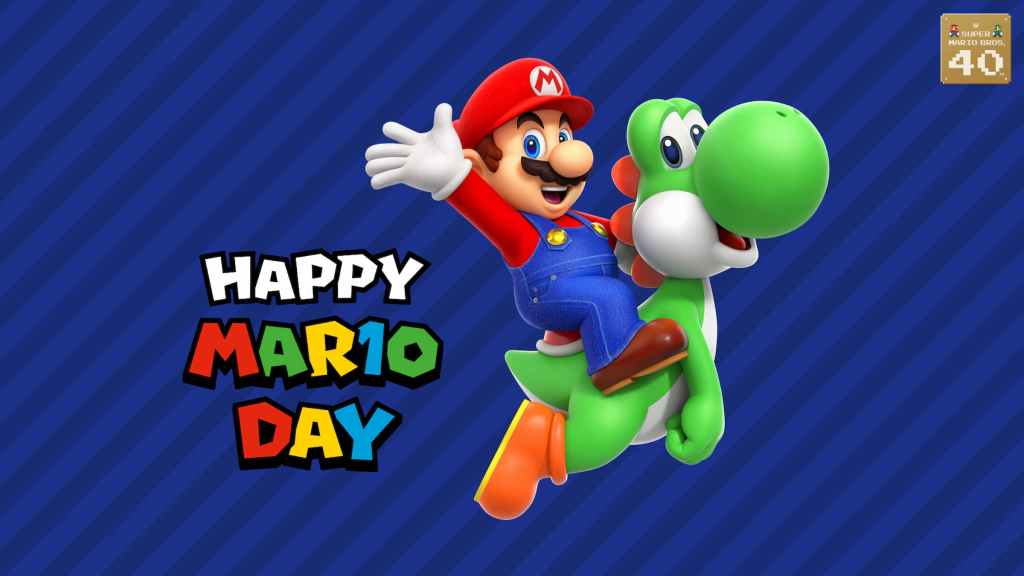
Mario Day should be the perfect opportunity for Nintendo to celebrate its mascot with bold sales. The character represents decades of gaming history and remains the face of the company. Instead, the annual sale tied to March 10th disappoints every year. Some Mario-themed titles receive discounts, including entries like Super Mario Odyssey or Mario Kart 8 Deluxe. The sale doesn’t even include games like Paper Mario: The Thousand-Year Door or Super Mario Wonder, which just received a Switch 2 upgrade. No, it is the same small offerings of games each year.
It’s hard to get excited about what should be one of Nintendo’s biggest days when you see how little Nintendo is willing to budge on prices. I’m not saying every game needs to be massively discounted, but at the very least, the catalog needs to be expanded, and Nintendo should offer sale prices that are better than the sales it holds throughout the year. Some of the games offered in Mario Day aren’t even developed by Nintendo, such as Mario + Rabbids: Sparks of Hope, and this game has the best discount at 90%.
That is why Mario Day ends up highlighting one of Nintendo’s most frustrating habits. The company produces incredible games and beloved characters, yet its sales strategy feels stuck in another era, much like its online infrastructure. When Switch titles from 2017 barely receive meaningful discounts, the celebration starts to feel less like a party and more like a reminder that Nintendo refuses to change. Nintendo could see greater sales numbers if it were more lenient, but that does not appear to be changing any time soon.
What do you think? Leave a comment below and join the conversation now in the ComicBook Forum!
More Gaming
-

Image Courtesy of Xbox Game Studios