Beginning on the NES with Metal Gear, the Konami stealth series has remained one of the best long-running franchises in modern gaming. After a number of solid releases in the 8-bit era, the series found renewed popularity with the Metal Gear Solid relaunch for the PlayStation. In the years since, the sprawling epic that surrounds Solid Snake has evolved in some pretty surprising and intriguing ways.
Videos by ComicBook.com
One of the most memorable bizarre entries in the series remains Metal Gear Ac!d, a title for the PlayStation Portable that brought Snake’s adventures on the go. Rather than being a port of previous games or a new take on the established formula, however, the game took some serious divergences in terms of world-building, gameplay mechanics, and storytelling. The result is a game that changed a lot of what makes Metal Gear feel like itself, all while staying true to the core of the series.
Metal Gear Ac!d Remains One Of The Oddest MSG Games Ever
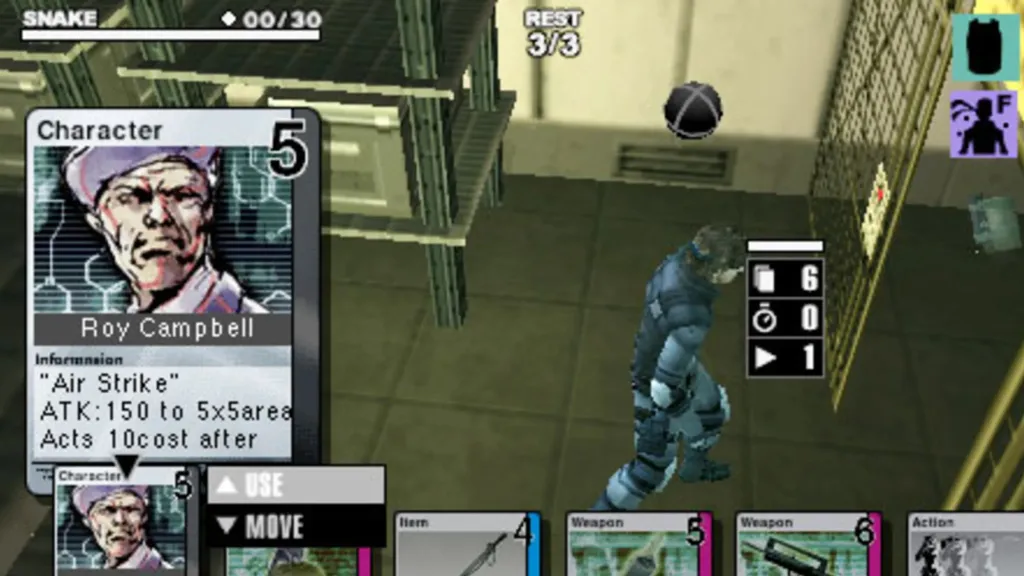
Hitting Japanese store shelves on December 16, 2004 (before making its way to the rest of the world the following year), Metal Gear Ac!d was an interesting reimagining of the long-running franchise. In many ways, Ac!d was a departure from the typical style and story of the series, albeit still framed as a love letter to the history of the franchise. Set in an alternate continuity to the mainline Metal Gear Solid franchise, the game is a turn-based deck-building strategy game in lieu of the traditional mix of action and stealth that makes up most of the series.
This shift in gameplay is reflected in the various weapons, gears, and tactics that are deployed via turn-based combat. Each card reflects elements of the franchise’s history, ranging from then-upcoming titles to the earliest Metal Gear games released on the NES. While the game still features Solid Snake in the lead role, it’s a slightly different version of the character who is older, harsher, and colder than most iterations of the character. The game was even multiplayer, a rarity for the franchise, with a focus on melding some stealth mechanics with the strategy gameplay.
It was a unique entry in a series that has always defined itself as strangely singular. It was modeled to work well for the PSP as a handheld game that could be more easily put down for a time and leave room for strategy mechanics that weren’t as present in the mainline Metal Gear Solid series. Most notably, Metal Gear Ac!d took a very different direction with the overall narrative of the series, introducing a new version of the series while incorporating plenty of deep-cut references to other games.
The Plotline To Metal Gear Ac!d Is Surprisingly Unique
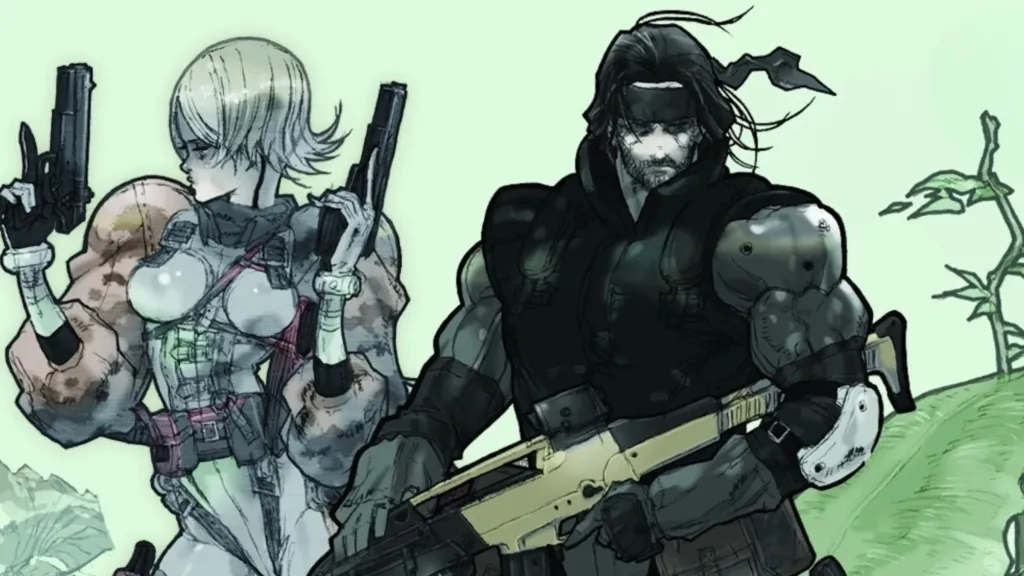
At the core of Metal Gear Ac!d is the kind of twisty thriller that the franchise has long been famous for, but with a lot of fresh elements that make it stand out in a number of ways. In this timeline, Snake is still an active agent in 2016 when a terrorist attack results in the capture of an airliner carrying hundreds of innocents. Snake is forced to team up with FBI Agent Teliko Friedman to confront BEAGLE, an organization that prolongs global conflicts for the sake of their bottom line. Notably, the game takes several liberties with the typical timeline. There’s no reference to FOXHOUND or Big Boss, as well as no reference to consistent antagonists like Liquid or Big Boss.
Snake is shown to be a healthy and active agent in his 40s, a stark contrast from the far older Snake who appears in Metal Gear Solid 4: Guns of the Patriots. This suggests that the mainline Solid reveal that Snake is a clone of Big Boss, who is deteriorating and aging at an advanced rate, isn’t a factor in this timeline. While there are several of the typical trappings of a Metal Gear Solid narrative, thanks to the twisty nature of the espionage plot, it focuses on characters and concepts that are missing from the mainline series. Even the game’s ending is something of a departure, concluding with many of the game’s villains on the run and free from consequence.
While Ac!d did receive a direct sequel for the PSP and a mobile game continuation, the mainline series ended up moving beyond the timeline constructed in the Ac!d games. However, the title remains an interesting outlier in the series. The emphasis on deck-building made this a more cerebral entry in the series from a gameplay perspective, forcing the player to adjust their strategy as time went on and new weapons were found. It had an emphasis on female playable characters, a rarity for the series that more modern entries have still not matched. The more anime-inspired approach to character design gave the game a distinct visual touch that hasn’t been replicated in the years since. While it’s more or less forgotten about today, Metal Gear Ac!d is a good reminder that experimentation and reinvention of older, more established franchises can sometimes be a good chance to play around with game mechanics and approach old favorites from a new perspective.
Most Viewed
-
Image Courtesy of Marvel Comics -

Sony Pictures -

Image Courtesy of HIDIVE -

Image courtesy of The Pokemon Company -

Image Courtesy of Netflix -

Image courtesy of Bandai Namco