Monster Hunter has always been a series built on trust. Players put hundreds, sometimes thousands, of hours into learning weapon timings, monster patterns, and the quiet rhythm of the hunt. For those who have been around since the earliest entries, that trust comes from Capcom delivering polished experiences that feel demanding but fair. When a new Monster Hunter launches, expectations are high because the series has earned them over decades of releases.
Videos by ComicBook.com
Monster Hunter Wilds was supposed to be the next big step forward, the capstone to define a new generation of monster hunting. Instead, months after launch, it has become a painful reminder of the realities of modern AAA gaming. Performance issues that showed up early have not meaningfully improved alongside content updates that feel thin, and the player base is increasingly vocal about its frustration. For longtime fans, this situation hurts more than a bad spin-off. It feels like a mainline Monster Hunter that has lost the plot.
Monster Hunter Wilds Is Broken, and Capcom Just Isn’t Fixing It
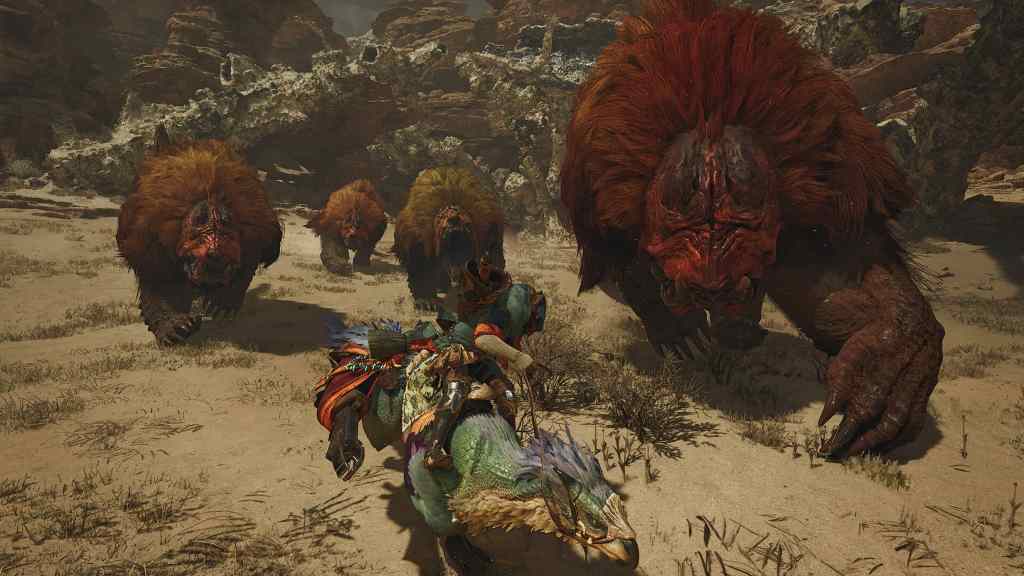
From the moment Wilds launched, performance problems have plagued the title and defined the conversation. PC players reported unstable frame rates, frequent stuttering, and crashes that made longer sessions feel risky. Console players were not spared either, with inconsistent performance and noticeable dips during large hunts or busy environments. These were not rare edge cases. They were widespread enough to dominate early feedback.
Months later, many of those same issues remain. Updates have arrived, but they have not delivered the kind of sweeping improvements players expected. Frame pacing is still uneven, and optimization problems continue to undercut what should be the game’s strongest moments. For a series where timing and responsiveness are everything, these are very gaping flaws that run deep.
What frustrates most is not just that Wilds launched rough. It is that Capcom seems slow to treat performance as the top priority. Each patch that focuses on small adjustments or new additions without clearly addressing core stability feels like a missed opportunity. Players want the game to run well before anything else, and right now, that basic expectation is not being met.
Player Trust Continues to Crumble as Wilds Performance Remains a Nightmare
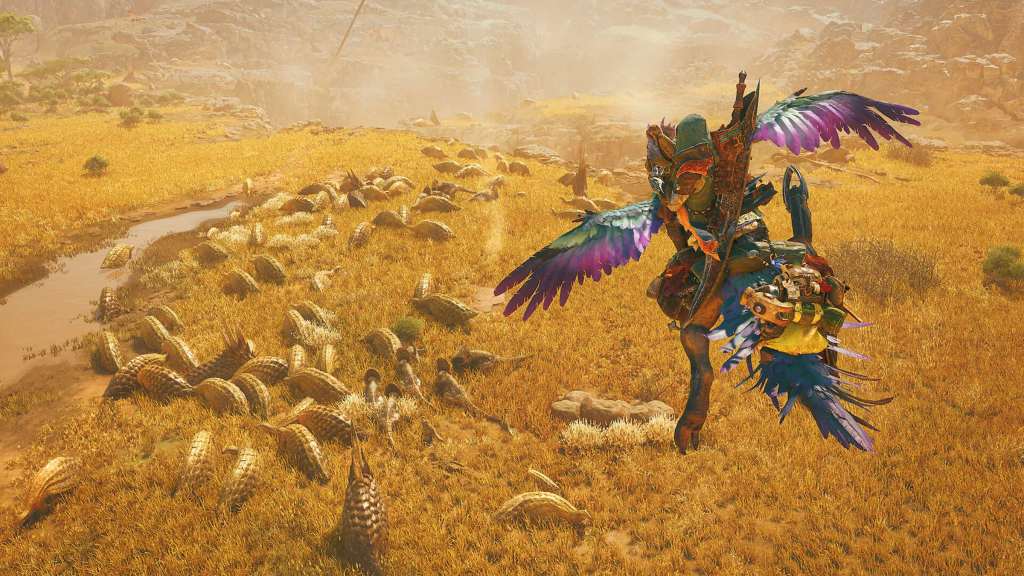
Monster Hunter fans are famously loyal, but that loyalty has limits. As weeks turned into months, patience started to wear thin. Steam reviews reflect that shift clearly, with recent reviews sitting in mixed territory and overall sentiment hovering uncomfortably low for a franchise of this caliber. That kind of reception is not normal for Monster Hunter, especially not this long after release.
The anger is not coming from newcomers alone. Many of the loudest critics are longtime hunters who know what the series is capable of. They remember launches like World and Rise, both of which had issues but showed steady improvement over time and had clear communication. With Wilds, players feel like they are shouting into the void, repeating the same concerns while seeing little meaningful progress.
Naturally, this situation is a breeding ground for mistrust. Trust erodes when players feel ignored. Every unresolved crash, every patch note that avoids mentioning optimization, and every content drop that arrives on top of shaky performance chips away at goodwill. For a live service style release, that erosion is dangerous. Once players leave, especially veterans, it is much harder to bring them back.
Performance and Lackluster Content Updates Are the Culprit
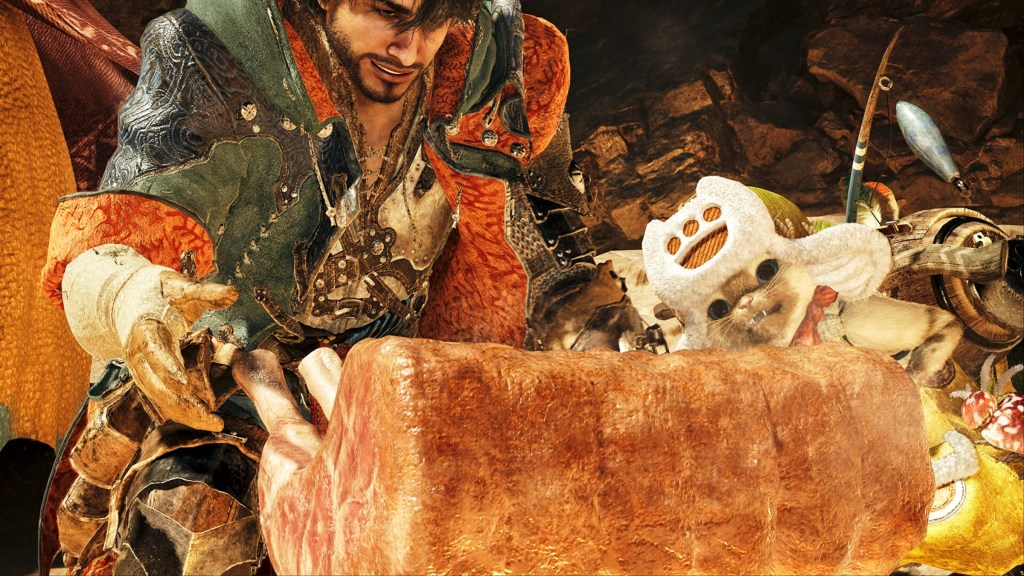
Content updates should have been Wilds’ chance to change the narrative. Instead, they have often made things worse. New monsters and events have arrived, but many players describe them as underwhelming and lackluster, especially given the state of the base game. When performance is already frustrating, shallow updates feel insulting rather than exciting.
There is a sense that Capcom is trying to move forward before fixing what is broken. Adding new hunts does not matter if players struggle to enjoy them due to stutters, drops, or instability: basic performance issues that should be grinded out as a priority. Content is only meaningful when the foundation is solid, and right now, that foundation feels cracked.

The disappointment hits harder because of how much potential Wilds still has. Despite everything, it is still considered a mainline entry to the series. Historically, mainline entries are the ones that are the loudest, and Wilds is certainly loud. The environments are ambitious, the monster designs show flashes of brilliance, and the core Monster Hunter combat loop is still there underneath the mess. Players are not angry because they hate Monster Hunter. They are furious because they love it, and Wilds feels like a betrayal of what the series stands for.
Monster Hunter Wilds is not beyond saving, but time is running out. Fans want Capcom to stop, refocus, and fix the game they already sold before asking players to care about what comes next. Wilds will very likely follow World and Rise by getting a significant expansion in the future. These performance issues need to be addressed before then, or Capcom may be in for some record lows for sales. Until performance becomes stable and updates feel substantial, Wilds will remain a sore spot in an otherwise beloved franchise.
What do you think? Leave a comment below and join the conversation now in the ComicBook Forum!
Most Viewed
-

Courtesy of David Production