Role-playing games have changed dramatically over the past two decades. Once defined by deliberate pacing, punishing difficulty spikes, and systems that demanded deep strategy, modern RPGs have shifted toward accessibility and convenience. Worlds are larger, combat is flashier, and progression systems are deeper than ever, but something subtle has been lost along the way. Older RPGs were harder, tenser, and more meaningful in their moment-to-moment decisions. That feeling didn’t come from graphics or enemy stats. It came from a small, simple mechanic many modern players barely think about anymore.
Videos by ComicBook.com
This mechanic is the dedicated save point. Before autosave or saving at any time became the industry norm, RPGs required players to find specific locations: crystals, inns, computers, bonfires, before they could record their progress. If you were deep in a dungeon, running low on potions, and far from safety, you felt the hope of finding a save point. Or like me, desperately trying to find a save point before my bedtime, and I had to get off. Save points were an invisible force shaping how players explored, fought, and strategized. Today, however, autosave and the ability to freely save silently handle everything, and with it, the tension and calculation behind that old system have faded.
Save Points Were More Than Checkpoints
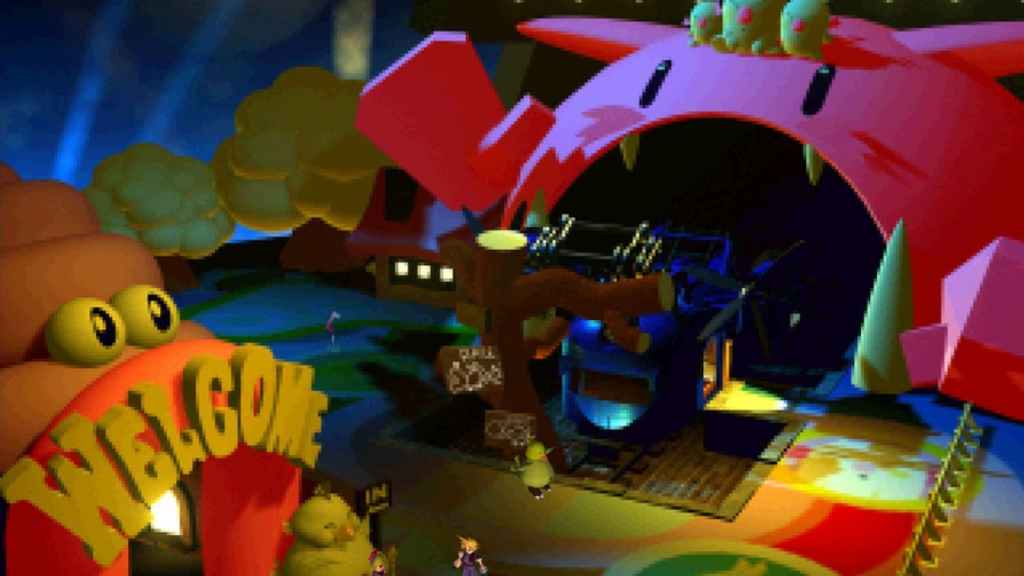
Dedicated save points weren’t just static markers; they were beacons of hope that shaped the entire rhythm and psychology of an RPG. In classics like Final Fantasy 9, Resident Evil, or Chrono Trigger, stumbling across that glowing sphere or ink ribbon felt like finding an oasis. You weren’t just saving your data, but were saving your sanity. There was a good chance the next room contained a boss, a puzzle, or a trap that could undo your progress and set you back hours. Reaching a save location turned this dread into relief.

This design added a layer of strategic pressure that modern systems rarely replicate. When you couldn’t save everywhere, you had to manage resources carefully. Do you use your last high potion before the next hallway, or risk conserving it until you reach another save location? Do you grind for experience even though you’re one unlucky encounter away from disaster? Older RPGs used this tension intentionally, creating a balance between caution and risk-taking.
For many players, these moments became personal memories. I still remember crawling through Final Fantasy VI’s Magitek Research Facility as a kid. My heart was racing as every battle drained my dwindling supplies and I ran from fights more often than I completed them. By the time I reached the save point before the Number 024 boss, it felt like a genuine accomplishment and I remember sighing in relief. Modern autosave systems offer convenience, but they rarely capture that feeling because they remove the stakes behind every step you take.
Why Save Points Disappeared From RPGs
The decline of save points didn’t happen overnight. It was a gradual shift driven by new hardware capabilities, evolving player expectations, and the rise of open-world design. As RPGs grew larger and more complex, developers faced a challenge: how to maintain tension without burdening players who may only have 20 minutes to play before work or school? The answer was autosave and manual saving anywhere.
Quality-of-life improvements became a priority. Players wanted freedom: freedom to explore, to experiment, and to stop playing whenever life interrupted. And from a design perspective, autosave reduces frustration. No one wanted to lose an hour because their console froze or their battery died. Losing an encounter was one thing, but I know I lost hours of game progress for issues out of my control. As accessibility became more important, save-anywhere systems became a natural solution.
But convenience came with a trade-off. Removing dedicated save points removed the risk-reward dynamic they created. When players can save every few seconds, tension fades. Boss fights become less intimidating when failing means losing 30 seconds instead of 30 minutes. Dungeon navigation becomes more casual, and mistakes matter less.
Autosave also changed how developers balance encounters. Older RPGs could create long, grueling dungeons because they knew save points would structure the challenge. Modern games can’t assume anything about when the player last saved, so difficulty often becomes smoother and more forgiving. Autosave and free manual saves made RPGs more accessible, but less nerve-wracking, less strategic, and sometimes less memorable.
Are Save Points Making a Comeback?
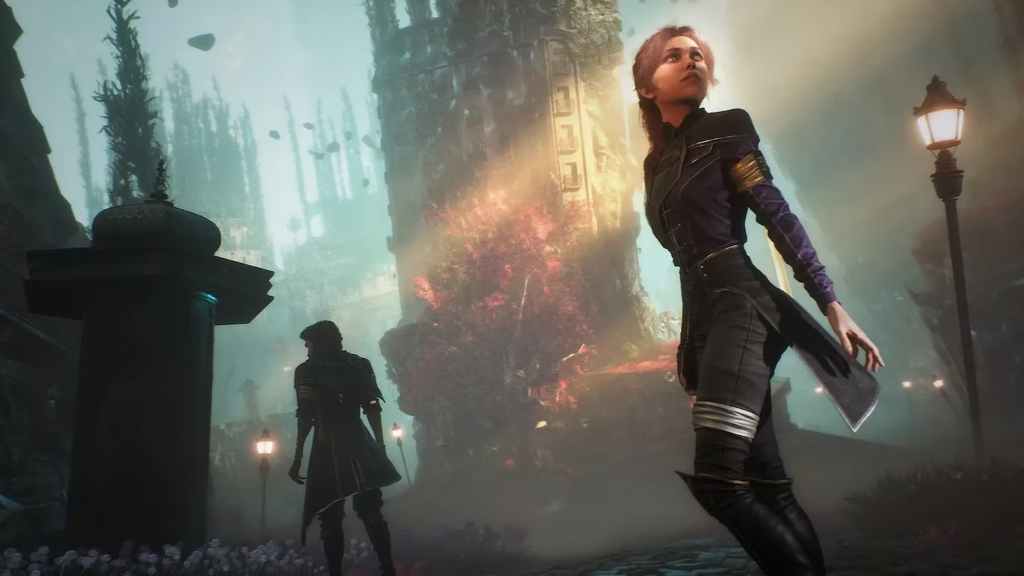
Interestingly, save locations are making a comeback. Games like Dark Souls, Elden Ring, and perhaps most importantly, Clair Obscur: Expedition 33 have resurrected the philosophy behind classic save-point design. These use checkpoints that blend old-school tension with modern sensibilities. These systems don’t always restrict saving entirely, but they intentionally limit where players can reset, heal, or recover. The result is the return of the feeling of risk vs. reward.
Indie RPGs have also embraced the concept. Games such as Sea of Stars, Chained Echoes, and Deltarune use dedicated save spots not just as mechanics, but as part of the game’s charm. They give players a moment to breathe, reflect, and prepare. There’s a growing interest in RPGs that offer harder, more deliberate experiences in an era dominated by convenience. Forcing players to progress until they can safely save deeply affects gameplay and how one proceeds, adding in strategic elements other modern games have forgotten.
Developers are rediscovering the storytelling and pacing benefits of save-point-like design, recognizing that friction can enhance immersion when used intentionally and properly. Ultimately, the question isn’t whether save points are better than autosave. It’s whether RPGs benefit from tension, risk, and the emotional highs that come from overcoming real danger. And for many players, that answer is a resounding yes if Clair Obscur: Expedition 33’s success is anything to go by.
What do you think? Leave a comment below and join the conversation now in the ComicBook Forum!
Most Viewed
-
Image Courtesy of Marvel Comics -

Courtesy of Netflix / Shueisha