One of the biggest trends in gaming right now is the idea of “friendslop,” or online multiplayer games with strong co-op elements that lead to fun interactions. From YAPYAP, Lethal Company, R.E.P.O., and Peak, there has been an onslaught of these co-op games over the past couple of years, but each one has interesting systems that helped them rise in popularity. Unfortunately, these titles all share a similar flaw that prevents them from becoming something long-lasting among their players.
Videos by ComicBook.com
Many online co-op games have similar premises, using procedural generation or randomization of levels to keep things fresh. In games like Lethal Company or R.E.P.O., this means changing what areas players go to, pulled from a selection of options with random enemies scattered throughout set maps. This works well for games with smaller scopes, allowing indie projects to offer a lot of replayability with the fun already offered through aspects of collaborative multiplayer as their cornerstone.
Online Co-op Multiplayer Games Have Been On The Rise Due To Some Standout Hits
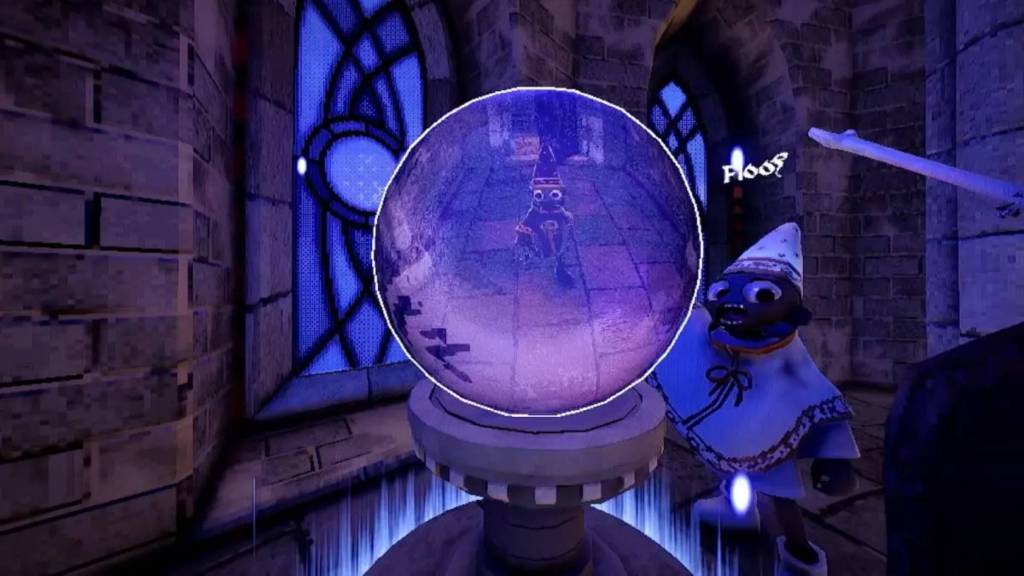
Online multiplayer games have been a hit ever since the COVID-19 pandemic, but the past couple of years have seen this subgenre skyrocket in popularity even more. Ever since the release of Among Us, there have been multiple high-profile co-op projects that have been a slam dunk with players, garnering huge audiences in a matter of days. This quick rise of some titles usually comes due to a novelty in their gameplay, but with the core feature of being able to join up with friends for immersive experiences.
Some of the most popular “friendslop” games in recent memory include:
- Abiotic Factor
- R.E.P.O.
- Lethal Company
- Content Warning
- Phasmophobia
- Peak
- RV There Yet?
- Big Walk
- Supermarket Together
- Yapyap
Each of these games typically allow four or more players to hop into games together, using unique approaches to voice chat through limitation. For example, both Lethal Company and R.E.P.O. only allow players to talk to one another when they are within close proximity, making dialogue feel more authentic. Spacing and echoing of loud screams from your friends in a co-op horror game can add a lot of tension to the game, leading to exciting interactive moments between you and a friend.

Other games achieve this similar feeling, leading to proximity chat becoming a staple of many online co-op multiplayer titles. Depending on the game’s genre, this can add more tension or encourage greater cooperation between players based on what problems they need to solve. In cases like Yapyap, voice chat is fundamental to the experience, with that game’s magical spells being the game reading your words spoken into a microphone as incantations you need to say correctly to cast magic.
Repetitive Patterns In Some Of These Games Make Them Hardly Worth Playing Multiple Times
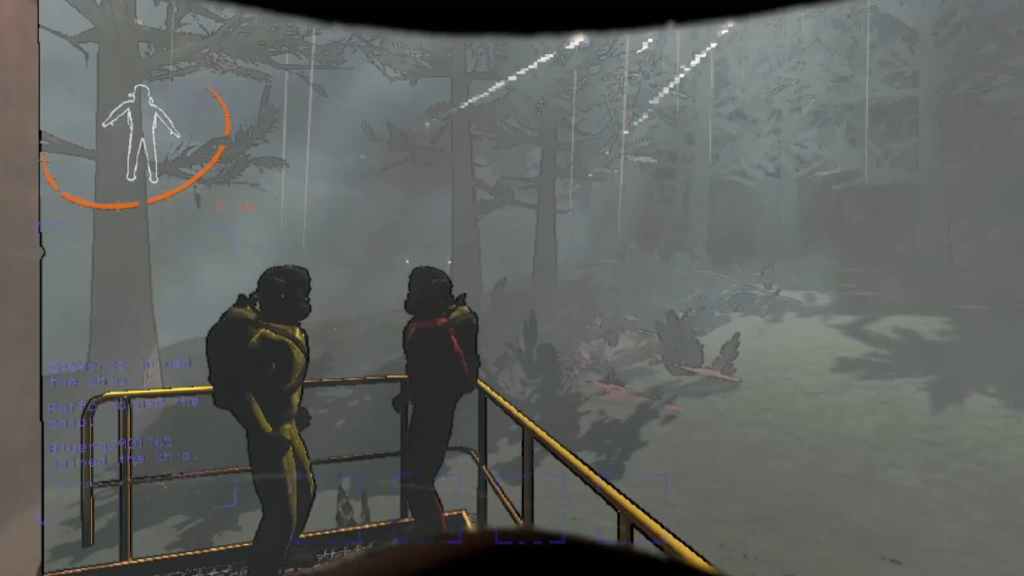
Online multiplayer games are often quite novel, especially when you experience their surprises for the first time. For example, discovering how to transform someone into a fish in Yapyap will always bring the laughs, while hiding from a wandering gunman in R.E.P.O. for the first time can leave you terrified. However, once you’ve discovered the small range of available content in some co-op games from this subgenre, the novelty can wear off fast.
The random generation of worlds, maps, and other content is online multiplayer games is oftentimes limited, mainly as a product of their scale. As indie projects, some popular co-op games don’t have a lot of mechanical depth, with their replayability coming mostly from unpredictable design. For 8-10 hours, this might be extremely enjoyable, but it’s hard to find the same fulfillment you’d get from a 20-30 hour rougelike or 50+ hour RPG.
While online co-op games are hardly meant to provide longer experiences, sometimes it can even be difficult to play them beyond an hour or two. Many of the design tricks from these multiplayer titles are incredibly similar to one another, with many systems having very linear uses in their respective games. This creates narrow paths of progression, leading to repetitive runs with friends that don’t feel particularly rewarding once you’ve done them more than a few times.
More Opportunities For Improvement & Progression Could Give These Games A Satisfying Endpoint
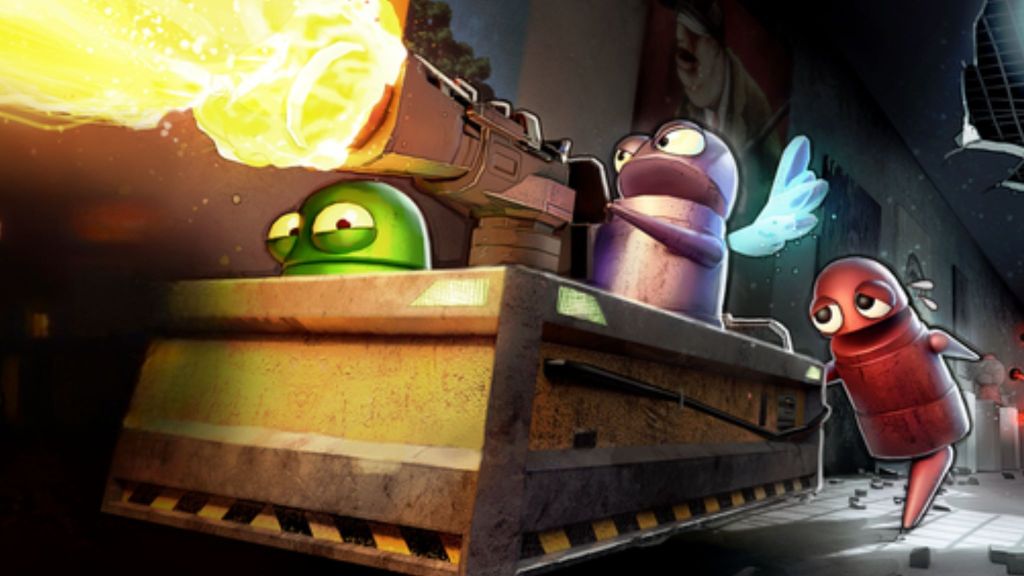
More often than not, these “friendslop” games are unique for how they allow co-op interactions to be deeply satisfying between you and your friends. However, linear and repetitive gameplay don’t make long-term investment in any of these titles feel great, as many don’t provide a progressive structure for players to work toward. There are small objectives and methods for success, but few ways for players to improve throughout their experiences.

Peak might be the only exception to this, as its endpoint is clearly set up through its title. There is a reason this co-op multiplayer game was nominated for several awards in 2025, and that’s mainly due to how its endpoint was outlined as a progressive goal for players to reach. This supported the game’s repetitive structure, while still making cooperative elements manadatory and enjoyable at the same time.
In truth, many online co-op multiplayer games are fun, just not filled with enough content to justify players staying involved with them for very long. This is an easy flaw to fix, either with more content or a re-structure to core systems that allow for player improvement, allowing them and their friends to work together in more ways than they could before.
What do you think of the “friendslop” subgenre and its flaws? Leave a comment below or join the conversation in the ComicBook Forum!
Most Viewed
-

Image Courtesy of Toei Animation -

Image Courtesy of Ufotable