The gaming landscape has always been an interesting one to examine from a slight distance. The way that game development and inspiration work can be surprising, especially as titles change during their development cycles. There are some games that, when they’re released, end up influencing not just their own IP and genre but the larger gaming space as a whole.
Videos by ComicBook.com
One key example of that is BioWare’s Neverwinter Nights, which turns 24 this year. Debuting over twenty years ago to strong reviews and solid sales, Neverwinter Nights was an ambitious effort to bring the TTRPG Dungeons & Dragons experience to the online space. In that regard, the game was a rousing success, going on to influence other BioWare games and other properties that would evolve into massive hits. Beyond that, though, Neverwinter Nights‘ influence spread even further, with the underlying game engine, focus on online multiplayer, and broad customization serving as a preview for some of modern gaming’s most popular trends.
Neverwinter Nights Helped Lay The Groundwork For Baldur’s Gate 3
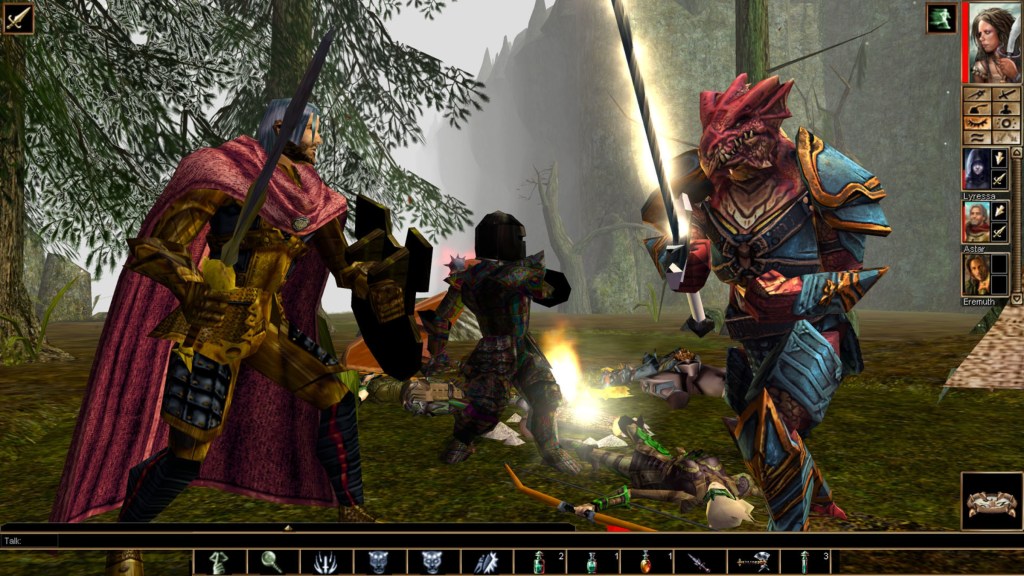
Neverwinter Nights debuted July 18, 2002, in North America before gradually spreading to the rest of the world throughout the year. Set in the titular fantastical city, the game follows the player-created character as their efforts to combat a plague spreading through the city send them on a journey across the land. Set in the Forgotten Realms setting established by Dungeons & Dragons and revitalized in the cultural imagination thanks to Baldur’s Gate 3, Neverwinter Nights was a strong follow-up to the first two Baldur’s Gate games, which had helped establish BioWare’s RPG bona fides.
As a video game adaptation of the classic TTRPG formula, Neverwinter Nights highlighted how effective those rules could be as a single-player experience, helping lay the groundwork for Baldur’s Gate 3 to become such a rousing success when it debuted almost two decades later. Critically acclaimed at the time of release, it developed a strong enough following that several expansion packs and an Obsidian Entertainment-developed sequel were eventually released. Fans of the D&D space will likely always have a soft spot for the game, but Neverwinter Nights has had a larger impact on modern gaming than most people realize.
Neverwinter Nights Influenced Plenty Of Games Beyond The D&D Space
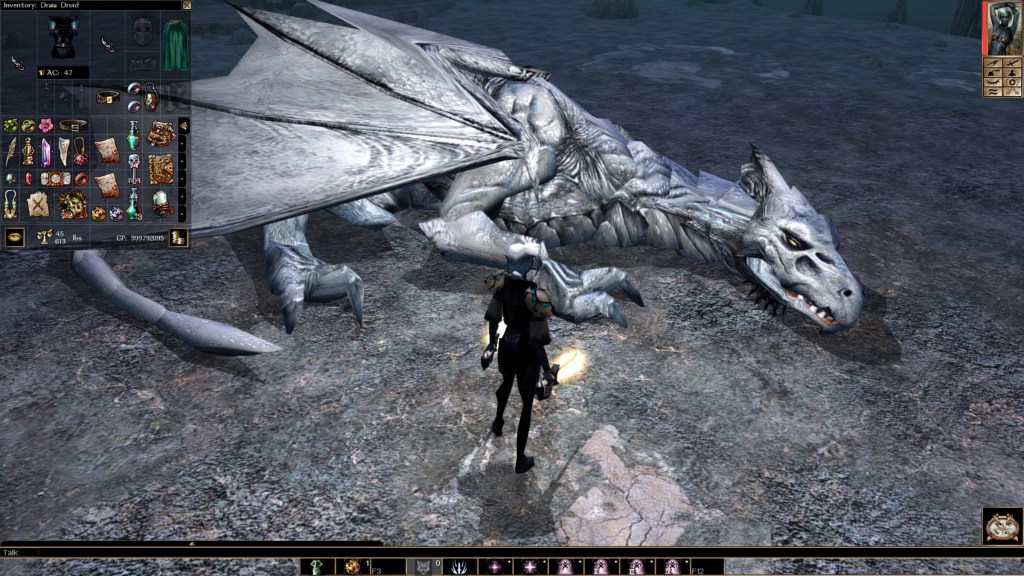
Neverwinter Nights was a technical achievement at the time of release. Even beyond the underlying mechanics of the TTRPG experience that were translated for the gaming space, the game pushed the boundaries with its multiplayer options, customization, and underlying game engine. Multiplayer was an important function of the game, with the servers allowing upwards of 96 players to operate in the same space together. The idea was to create a truly massive fantasy MMO that players around the world could get invested in. While there had been other efforts to do this before — including the original Neverwinter Nights, which was developed by Beyond Software and served as the inspiration for BioWare’s game — the success of Neverwinter Nights helped whet the broader gaming audience’s appetite for the genre just two years before World of Warcraft would reshape the online gaming landscape.
Another key aspect of Neverwinter Nights’ enduring popularity with players was the Aurora toolset. Included as part of the Windows release of the game, the toolset allowed players to create custom content that could then run in the game’s established game engine. This opened the door to fans and players to create their own campaigns, expanding the opportunities players could take to explore the world and encouraging more multiplayer exploration. In an era where successes like Minecraft, Roblox, and Super Mario Maker highlight the appeal of giving players a sandbox and the tools to make their own creations, Neverwinter Nights provided players with the ability to craft their own fantasy epics for friends and strangers alike to play.
That Aurora engine proved flexible enough that other properties were able to use it as the underlying skeleton for their own efforts. BioWare developers repeatedly used the Aurora engine while crafting other games — a tweaked version, dubbed the Odyssey Engine, became the underlying model for the Star Wars: Knights of the Old Republic games. While developing Dragon Age: Origins, the team at BioWare used Neverwinter Nights and the Aurora system to create models and mock-ups for their plans for the other fantasy game. Even outside of BioWare, modders and developers continued to experiment with the Aurora system. This includes some of the team at CD Projekt Red, who based their early work on The Witcher on the Aurora engine.
The engine became such a foundational approach to game design that it has even been used in higher education as an introductory tool for video game design and coding. Neverwinter Nights stands out in a long history of RPG games, not just as a strong title on its own merits but as one of those building blocks of the industry. While modern players might not recognize the full impact of Neverwinter Nights, they’ve no doubt seen or been directly impacted by the games that it helped change and inspire. Neverwinter Nights remains a blast to play (and available for purchase on modern consoles thanks to the Enhanced Edition that was released in 2019 for Nintendo Switch, PS4, and Xbox One), but it’s also important to remember its impact on gaming as a whole. If you’ve loved BioWare franchises like Mass Effect or Dragon Age, if you’re a fan of The Witcher, and you enjoy the MMO space, then Neverwinter Nights impacted your gaming history, even if you’ve never played it.
More Gaming
-

Image Courtesy of IO Interactive -

Paramount – Legendary Pictures -

Courtesy of Evil Empire