February 21st is a surprisingly important day for Nintendo, with two of their marquee franchises both launching on the same day, albeit a few days apart. Nintendo has cemented itself over the last four decades as one of the biggest names in gaming, with some of the most iconic franchises and characters falling under its umbrella. Across a variety of genres and with a lot of different styles of gameplay at the heart of the experience, Nintendo characters have stood the test of time and proven to be icons of the medium.
Videos by ComicBook.com
Looking back at the history of the publisher is a good excuse to reflect on the evolution of the medium and how those Nintendo games have helped shape the entire industry. One of the biggest franchises in the publisher’s history is now celebrating its fortieth anniversary, with The Legend of Zelda crossing a major milestone. On top of that, however, there’s another beloved game series from Nintendo that actually shares the same birthday, albeit a few years apart. It’s a neat coincidence in retrospect, however, especially when one takes into account how both games helped launch major franchises and served as major steps for the company on a technological level.
The Legend Of Zelda Turns 40
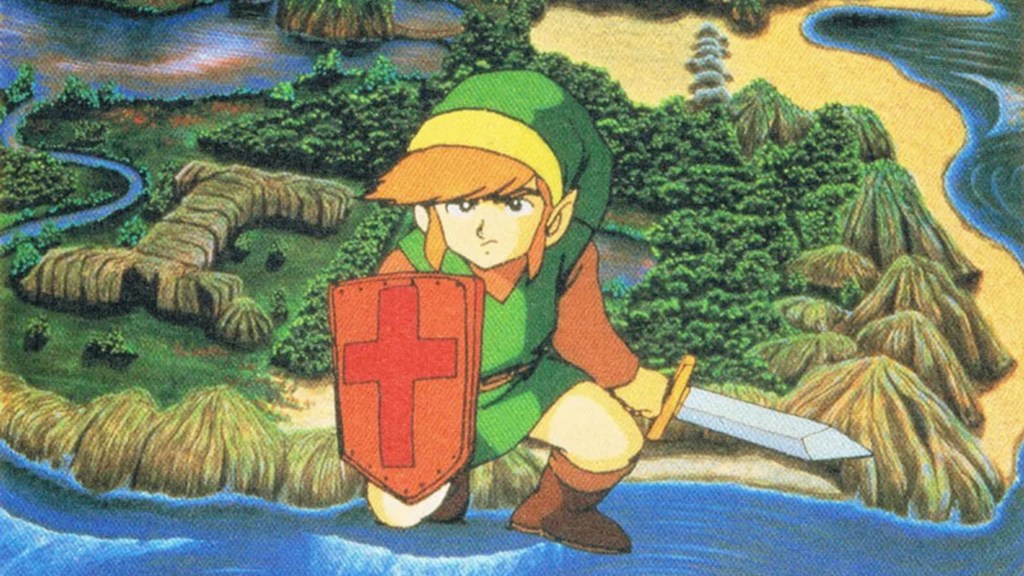
The Legend of Zelda is officially 40 years old as of today. Debuting as a launch title for the Famicom on February 21, 1986, the game was ported over to the NES when it launched in North America and Europe the following year. A crucial step forward in game development and design, the fantasy adventure remains one of the biggest releases Nintendo ever developed. The cartridge version released in North America and Europe was among the first games to use an internal battery to allow for retaining progress once the console was turned off — helping pioneer the concept of saving a game that has since become a fundamental part of game design.
The sheer scope of the adventure was distinct from almost any other game released at the time, with Shigeru Miyamoto and Takashi Tezuka directing the game and delivering the sort of adventure that gaming has become synonymous with. The Legend of Zelda was also an early example of how gaming could embrace an open-ended sense of adventure as opposed to a singularly linerar adventure. Another thing that makes The Legend of Zelda‘s release so monumental is the fact that the development team behind the game was also concurrently developing Super Mario Bros., which was released the previous year and became one of the foundational successes of the modern gaming industry. Laying the groundwork for the action-RPG genre as it exists today, The Legend of Zelda remains one of those games that continues to inspire developers and excite players even four decades after it debuted, even beyond its dozens of sequels, spin-offs, and reimaginings in the years since.
Star Fox Debuted A Few Years After The Legend Of Zelda But Shares A Birthday
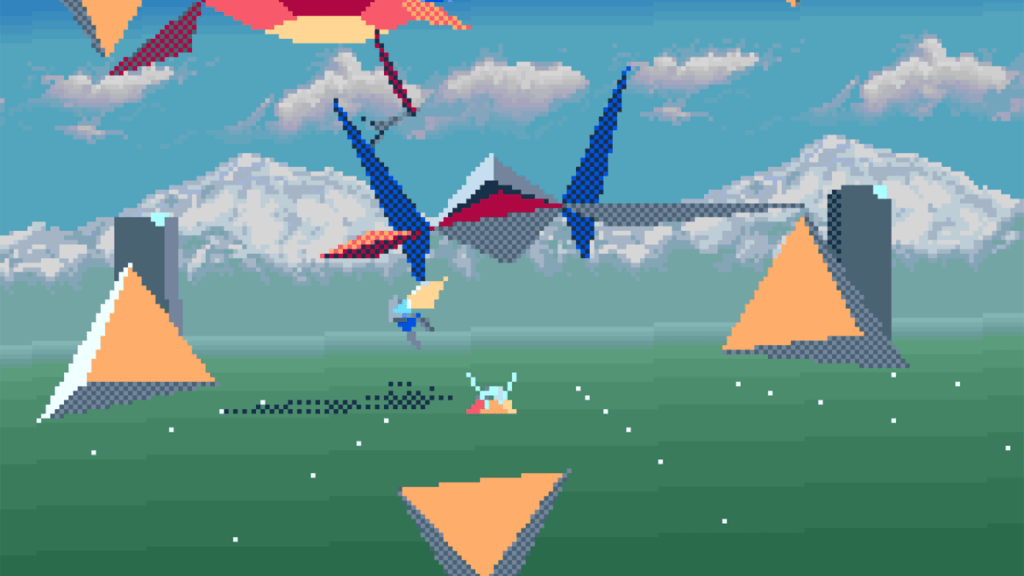
The Legend of Zelda is also notably not the only Nintendo game to have that birthday. Star Fox debuted in Japan on February 21, 1993. Released for the Super Nintendo, the prototype for a flighter game titled NESGlider was eventually moved over to the Super Nintendo. The rail-shooter was a fun riff on the arcade flight sim, whose impact on the industry extends far beyond the franchise’s enduring qualities and the strength of the game design. The graphics were a major advancement for console gaming, requiring new custom hardware to process 3D games. The Super FX chip was the first 3D graphics accelerator made available to the average consumer, improving on the processing power of the console in some serious ways.
Without this emphasis on 3D graphics, the Super Nintendo wouldn’t have had the processing power it possessed. Instead, the console went on to be a major step towards console gaming, allowing the publisher to fully embrace 3D graphics, which led to plenty of gorgeously rendered games and the modern state of the industry. The game’s approach to combat put emphasis on the players’ skills, even as it moved them along on a specific flight path against a massive, sprawling number of enemy ships. This advancement was a big deal, and the popularity of the game led to several sequels — even if there hasn’t been any new mainline entry in the franchise in years. Thanks to games like Super Smash Bros., characters like Fox have remained at the forefront of plenty of Nintendo fans’ minds, and hopefully, the anniversary for the game will give Nintendo reason to return to the franchise. While Star Fox might not have the same massive scale and sheer success of The Legend of Zelda, it also deserves some celebration for having crossed the thirty-year mark while remaining a fan favorite entry in the larger Nintendo franchise.
Most Viewed
-

Image Courtesy of Crunchyroll -
Image courtesy of Sony -
Image Courtesy of A-1 Pictures