Since the dawn of the home video game consoles, gaming has revolved around the franchises players love the most. When one does particularly well, you can expect sequels, prequels, and spin-offs. When they falter in the marketplace … well, you don’t see them come around too often. Regardless, something has changed in this, the ninth video game console generation, as gamers have lost something that was once common. Prior to and during the seventh generation, which began with the launch of the Xbox 360 in 2005 and the PlayStation 3 in 2006, trilogies were commonplace. Video game trilogies continue and aren’t likely to go away anytime soon.
Videos by ComicBook.com
Still, publishers aren’t limiting them to a single console generation anymore. It’s one of those things that you don’t notice until it’s been pointed out, so … sorry for bringing it up. Still, it’s important to note because it’s far more common to buy a game on the Xbox One, play its sequel on the Xbox Series X|S, and finish out a trilogy on whatever console follows, and given Microsoft’s naming conventions, it’s anyone’s guess. This ultimately screws over gamers who love franchises, as they not only have to wait years for a follow-up but often need to buy new hardware just to play it.
Video Game Trilogies on Single Consoles Are a Thing of the Past
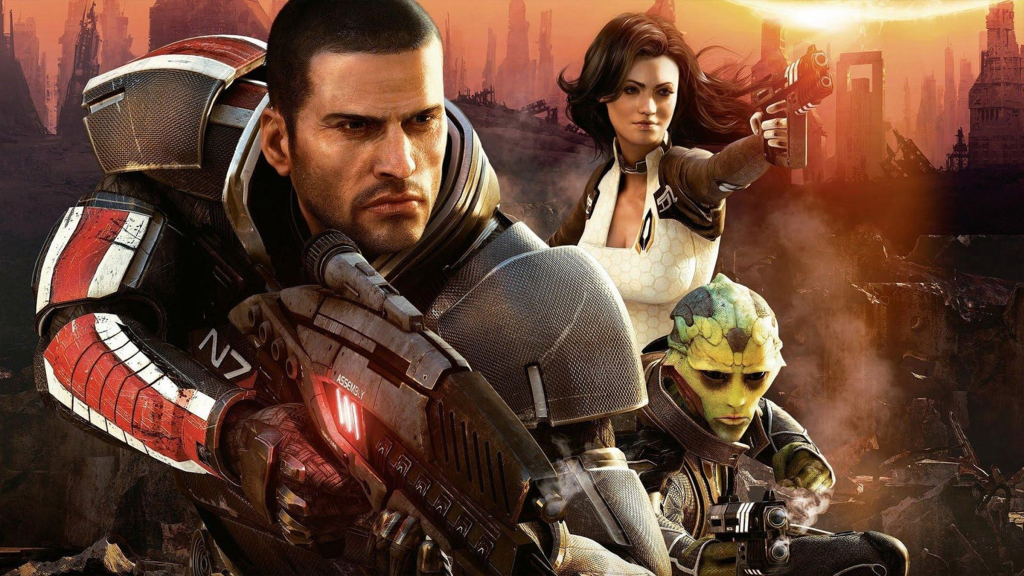
A good example of this abandoned practice in the industry is Mass Effect, which is one of the best sci-fi third-person shooters of all time. The franchise debuted in 2007 with Mass Effect on the Xbox 360. In 2019, Mass Effect 2 arrived on the Xbox 360, PlayStation 3, and PC, which opened the franchise to more players. Finally, Mass Effect 3 came out in 2012 on PC, the Xbox 360, PS3, and Wii U. Looking solely at the Xbox 360, it received all three games from the Mass Effect trilogy in relatively short order, ensuring that players could start with the first game and finish with the third without breaking out another console.
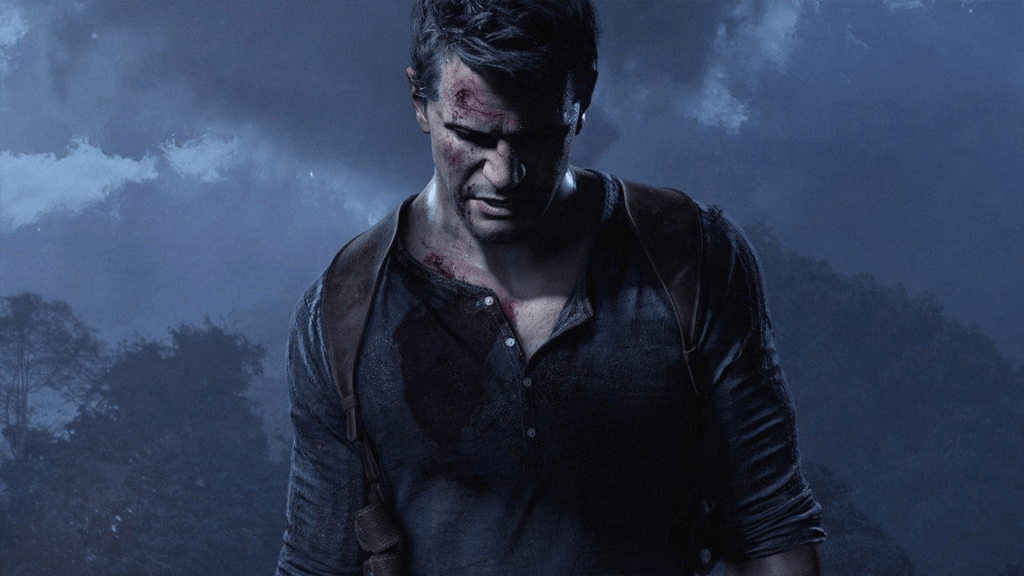
Another good example for the PlayStation 3 is the Uncharted franchise. While there are more than three games, the initial three were all released for the PS3 long before being made available on other platforms. Uncharted: Drake’s Fortune came out in 2007, and was followed by Uncharted 2: Among Thieves in 2009. In 2011, Uncharted 3: Drake’s Deception was released on the PS3, ensuring that all three remained on the system without having to buy another console. Unfortunately, the practice was seemingly abandoned after the third title in the initial trilogy.

Sony released Uncharted: Golden Abyss on the PlayStation Vita in 2011, Uncharted: Fight for Fortune on the Vita in 2012, and Uncharted 4: A Thief’s End in 2016 on the PlayStation 4. Unfortunately, any subsequent mainline games in the franchise are likely to skip the PlayStation 5 altogether, as only Uncharted: Legacy of Thieves Collection has been published on the PS5. As of writing, a game is in development by Naughty Dog, likely focusing on Cassie and Sam Drake. Its release date is unknown, so it might not drop until the PlayStation 6 hits the market.
Don’t Expect Video Game Trilogies to Release Around a Single Console Generation
Decades ago, you could pick up a copy of something like Super Mario Bros. and two sequels on the Nintendo Entertainment System, but those days are behind us. Even Nintendo tends to wait for a new console generation, while other developers go so far as to skip them entirely. There are a lot of reasons for this, and it’s undoubtedly due, in part, to the growing complexity, cost, and time required to develop modern video games. Long gone are the days of months of development resulting in a popular title, as they often take several years. When a console generation comes and goes after 5-7 years, the devs simply can’t keep up. Still, it’s nice to look back on the bygone practice of yesteryear.
Do you miss video game trilogies that were limited to a single console generation? Leave a comment below and join the conversation now in the ComicBook Forum!
Most Viewed
-

Courtesy of Sony Pictures Animation / McDonald's -
Image Courtesy of Marvel Comics -

Image courtesy of Marvel Television