Video game remakes and remasters have been a major aspect of the gaming industry for a while, but recent years have seen plenty of older titles brought back in either new forms or with modern upgrades. Sometimes, though, these remakes can struggle to feel justified. They can feel too derivative or too different from the original, either feeling like a rehash or losing the spark that made the original sing.
Videos by ComicBook.com
Some games do a great job of updating everything that made the older titles special, all while upgrading the visuals and gameplay for new generations. Nintendo, in particular, has released some solid remakes over the years, with Fire Emblem, Legend of Zelda, and Metroid all having some very solid remakes in their libraries. However, the best Nintendo remake came over twenty years ago and highlights exactly what a remake needs to do to be truly successful.
Why Pokémon FireRed and LeafGreen Were Ideal Remakes

Debuting in Japan on January 29, 2004, before being released around the world later in the year, Pokémon FireRed and LeafGreen were ground-up remakes of Pokémon Red and Blue. Coming out eight years after those two games debuted (and took the world by storm), the remakes largely followed the same gameplay structure, plot, and world-building. Players are introduced to a world of Pokémon, collect monsters, face off with other trainers, and bring down the villainous Team Rocket while on their way to becoming the champion trainer. The turn-based strategy combat and monster-capturing mechanics were refined in the remake, with the battles given more depth thanks to a larger collection of moves that came with unique attributes and elements.
Building on the advancements made to the series in sequels like Pokémon Ruby and Sapphire, FireRed and LeafGreen were a terrific approach to the material that added more visual flair and added new elements to enhance the gameplay. While some critics felt the graphics were unimpressive, the top-down adventure retained the charms of the original games. It also took advantage of the new levels and approaches of other sequels, introducing content and story beats that weren’t there in the original title. For fans who had played the original game, it felt like a fresh way to return to the original collection of monsters and batch of challenges. To newer players who had come in with other entries, it was a great way to revisit the original game, but with modern quality-of-life changes that improved the experience. Earning strong enough scores to rate an 81/100 on Metacritic, the remake stands out in retrospect as the right kind of remake.
Why Gaming Remakes Are So Tricky

The art of remaking an older game is a deceptively tricky one. Sometimes, it can be hard to justify redoing an older title with newer elements, especially if the new game doesn’t really do anything fresh with the material. In those circumstances, a simple re-release or remaster is more called for. Some remakes, like the Silent Hill and Resident Evil ones from the last decade, have been faithful reimaginings of older titles that strip away some of the original’s charm in lieu of making the games fall more in line with conventional game design.
Other remakes, like Advance Wars 1+2: Re-Boot Camp, are very much the same experience but with a slicker coat of paint. All those games are fun, and they do a good job of modernizing the gameplay and stories. However, they don’t feel like they actually necessarily improve on the originals, so much as present them for a modern audience. The best remakes in gaming are the ones that clearly love the originals, that still feel completely consistent with those original concepts, but also enhance the experience. It’s tricky, especially in an era where a remake or a remaster can more or less overshadow the original that generated so much attention in the first place.
Pokémon’s First Remake Stands Out Even Two Decades Later
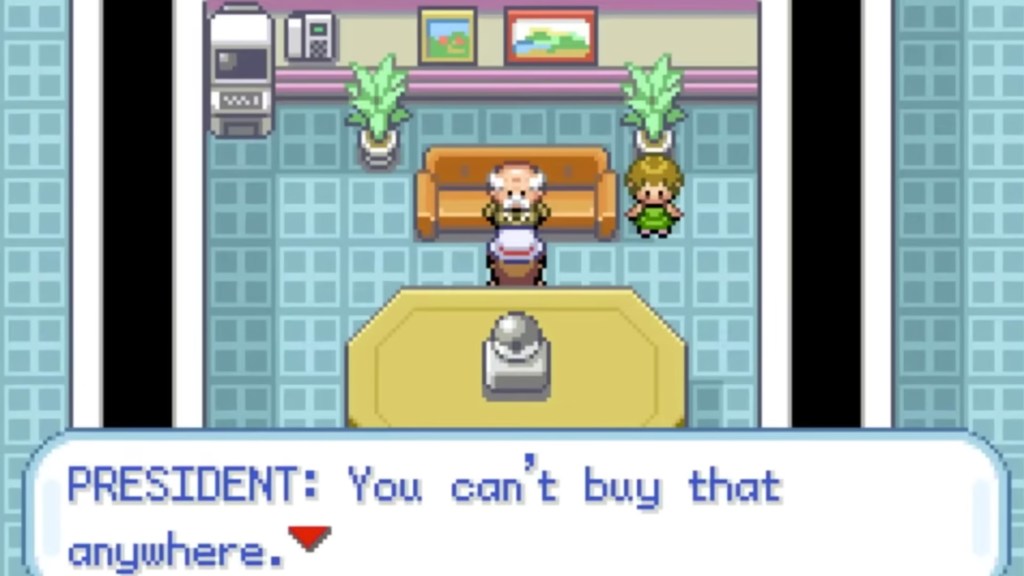
That’s what Pokémon FireRed and LeafGreen do so well, and why they stand out when compared to other remakes. Those games are still consistent with the overarching plot and general gameplay of the originals, but come with the increasing strategy depth introduced in sequel titles. They add new effects and elements, expanding the story in some ways while keeping true to the original characters. The game feels more fully realized, in a way that justifies an expanded remake instead of just a visually engaging redux. What makes these worthy remakes is the way they change the game and enhance the experience, all while still retaining the elements.
FireRed and LeafGreen expand on the story in small but effective ways, build out the larger world naturally, and have fun with the additional depth that it affords the battling. It was designed to be compatible with other recent entries in the series, ensuring that the original 150 creatures could still fit in neatly alongside the newer generations of pocket monsters. Over twenty years later, these two games highlight just how good a remake can be by making a deeper experience that still feels true to the source material.
Most Viewed
-

Image courtesy of Amazon MGM Studios -

Image Courtesy of MAPPA -

Image courtesy of Tor Books/Macmillan