The Prince of Persia trilogy in the 2000s has one of the best games of the 21st century, but the overall series couldn’t hold up in comparison. Created by Jordan Mechner in 1989, the Prince of Persia series was acquired by Ubisoft in 2001 and rebooted with Prince of Persia: The Sands of Time. Hailed by critics as one of the best games of its generation, the title gradually became a word-of-mouth hit and set the stage for a trilogy of games.
Videos by ComicBook.com
Unfortunately, the direct sequel was a far more controversial release, complimented for its gameplay but criticized for its story and tonal changes from the first game. Twenty years since the trilogy closed out, it’s worth looking back at the impact of the first game, how the legacy of the trilogy impacted the overall franchise, and how it stacks up to other major trilogies of the era.
Prince Of Persia: The Sands Of Time Is A Genuine G.O.A.T. Contender
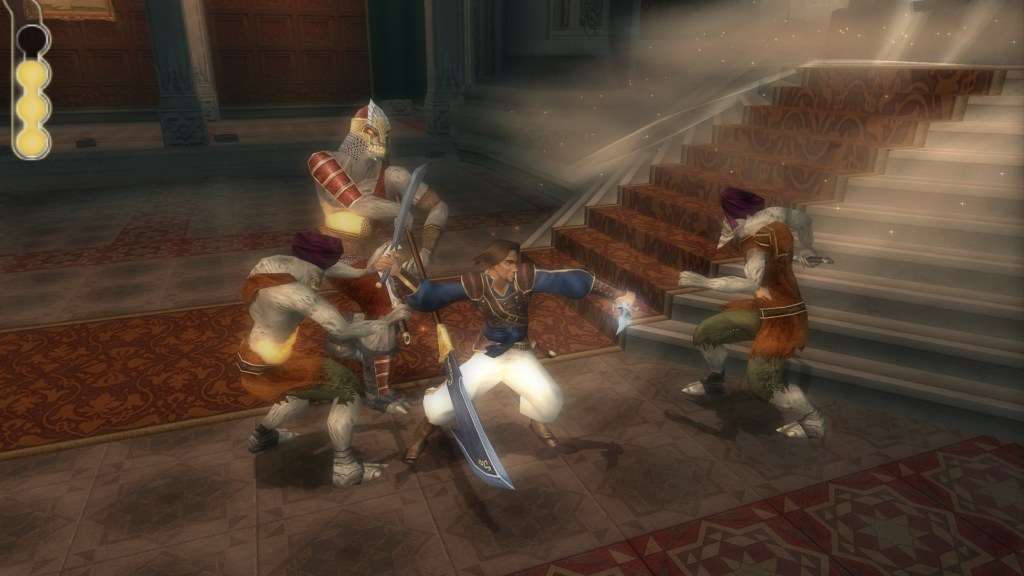
The Prince of Persia trilogy from the 2000s includes one of the best games of the last twenty-five years, but the overall trilogy suffered in the long run. The Sands of Time was a major step forward for the series in several ways. While the series had previously tried to make the leap from 2D into the 3D space with 1999’s Prince of Persia 3D, wonky controls, an ineffective camera, and plenty of bugs plagued the title. The reboot of the series, released on PlayStation 2, GameCube, Xbox, and Microsoft Windows, forced broader audiences and critics alike to reevaluate their views on the series.
The game, which blended tight action-adventure gameplay with a fun time-travel mechanic and an emotionally compelling and quietly subversive storyline, quickly endeared newbie fans to the series. Even players who had missed out on the original titles (like this writer) were deeply impressed by The Sands of Time, leading to a reevaluation of the franchise as a whole from broader audiences. The Sands of Time was the “Game of the Year at E3 2003, and it only continued to acquire more awards as the year went on, on top of being a bona fide smash for Ubisoft.
The legacy of The Sands of Time is still going strong today, with a remake reportedly in development and poised for a 2026 release. It is regularly heralded as one of the better games for consoles like the PS2 and the Xbox, and delivered a memorable story that critics still compliment to this day. While it was a slow-burning success at first, the massive overall impact of The Sands of Time can’t be understated. However, that meant that expectations for the follow-up were very high — which was just the first problem for the trilogy.
How The Prince Of Persia Trilogy Stumbled On The Way To Greatness
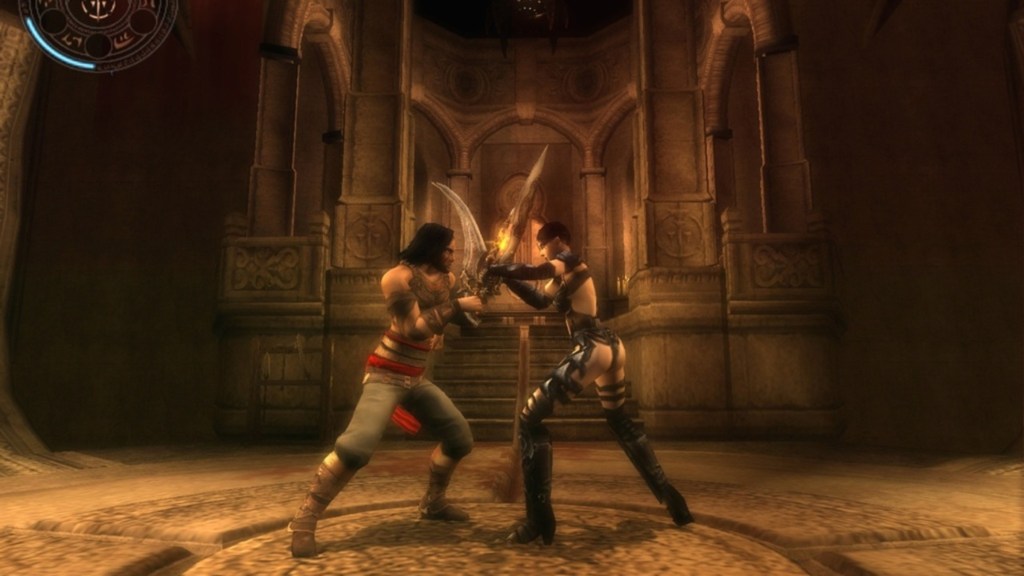
The problem for Prince of Persia was that the follow-up to The Sands of Time was always going to be facing massive expectations — and unfortunately, it couldn’t quite match them. Prince of Persia: Warrior Within suffered from a tonal discrepancy from the first game, where the overly dark aesthetic and approach to the Prince’s second adventure didn’t match the original. While the gameplay was a solid expansion of what worked in the first game in terms of combat, the unnecessarily grim tone alienated fans.
The shift to an M-rating also included a lot of explicit sexuality and cursing in a game series that had never really needed it, leaving the game to feel oddly disjointed, especially when the gameplay felt very familiar to what had come before. Critics were mixed on the second game, and audiences responded in kind — while it still ultimately sold a respectable amount, it didn’t match the heights of The Sands of Time.
Similarly, the third entry in the game, Prince of Persia: The Two Thrones, then failed to match that of Warrior Within. The Two Thrones tried to find a happy medium between the darker elements of the sequel and the more adventurous tone of the first. Although both games were ultimately financially successful for Ubisoft (and The Two Thrones received better reviews than Warrior Within), the excitement for the franchise was hindered by the mixed reception to Warrior Within. This led to The Two Thrones failing to match the sales of the previous two games and setting the stage for a new reboot meant to revitalize the series. Especially when compared to the greater impact of other trilogies of the era, like the original Halo and Metroid Prime games, the Prince of Persia games failed to match those heights.
Prince Of Persia’s Legacy
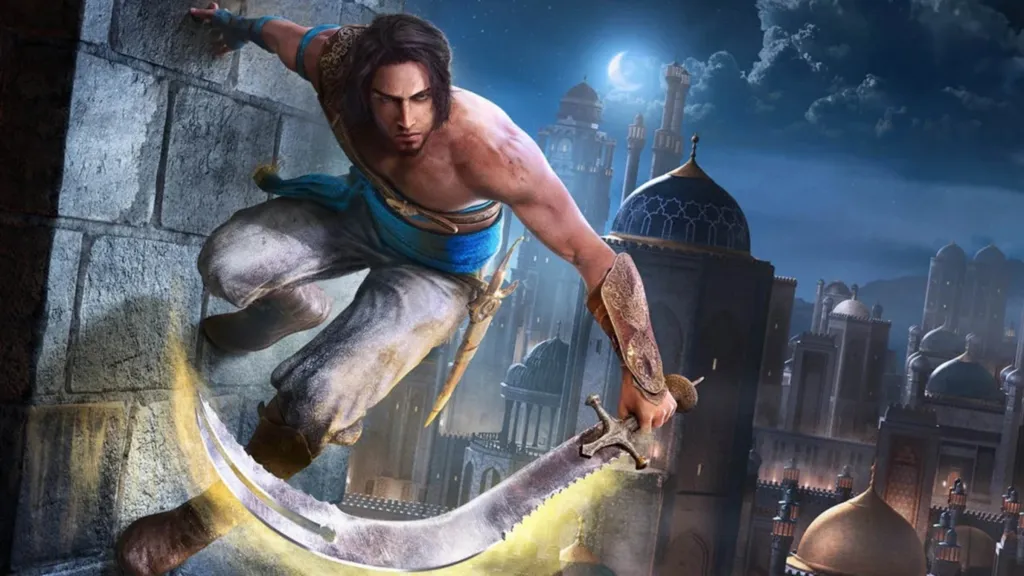
It’s been twenty years since The Two Thrones closed out the Prince of Persia reboot trilogy. In that time, the series has suffered from lows and found some exciting highs, but it’s never quite reached the level that The Sands of Time achieved when it launched in 2003. The 2008 reboot of Prince of Persia sold well, but was quickly followed up by an expansion of the previous trilogy that failed to replicate the strong sales or positive word-of-mouth that propelled Sands of Time to legendary status. This led to the franchise being put on pause — all while Assassin’s Creed, which had actually begun life as a proposed sequel for The Sands of Time before moving in a different direction, became the crown jewel of Ubisoft. A handful of mobile game spin-offs were released, which never necessarily impressed broader audiences or won over critics.
The brand also suffered from a cinematic misfire in 2010 with the Prince of Persia film adaptation. Based directly on The Sands of Time and intended to replicate the success of The Pirates of the Caribbean films, the movie did decently at the box office but not enough to win over critics. It ultimately failed to set off a larger film series. It all makes the trilogy’s overall place in gaming history harder to account for. While The Sands of Time remains an undisputed classic, the sequel dropped the ball and left the third entry scrambling to stick the landing. Even then, The Two Thrones ultimately doesn’t do enough with the overall storyline or the gameplay to stand out. While other trilogies from this same era, like Halo, BioShock, Metroid Prime, Mass Effect, and Uncharted, toyed with tone and genre, none of their entries stumbled nearly as much as Warrior Within.
Prince of Persia eventually picked up steam again with the release of Prince of Persia: The Lost Crown, a 2.5D side-scrolling platformer that revitalized interest in the series ahead of the announcement that The Sands of Time would be getting a formal remake. If the remake does well enough, it might justify another attempt at Warrior Within that could try to remedy many of the problems that haunted the title. In the long run, Prince of Persia‘s 2000s trilogy can’t compare to other trilogies of the era, such as Metroid Prime and Halo. While the first entry is practically flawless, the sequels and their impact mean the overall trilogy suffers in comparison.
Most Viewed
-

Image courtesy of Paramount -
Image Courtesy of Disney -

TMS Entertainment -

Image Courtesy of Lionsgate