One of the things that has helped ensure Resident Evil‘s enduring place in the gaming ecosystem has been the way it frequently recycles established characters with new faces. This allows the series to indulge in nostalgia in certain games by bringing back mainstays like Leon S. Kennedy, while also keeping the momentum of the series going forward by introducing fresh characters like Ethan Winters. As a result, it can take years for fan favorites to reappear, if they ever even do at all.
Videos by ComicBook.com
It helps a character’s standing in the overall series if they starred in a mainline entry of the series, helping lay the groundwork for them to drive entire corners of the franchise. This was the case for Leon, who has become one of the most recognizable elements of the larger franchise. However, his Resident Evil 2 counterpart, Claire, has suffered in comparison, with far fewer starring roles and prominence in the main series. It’s worth looking back at Claire’s history in the franchise and why she’s not as important as she may have once been.
How Claire Redfield Fits Into Resident Evil
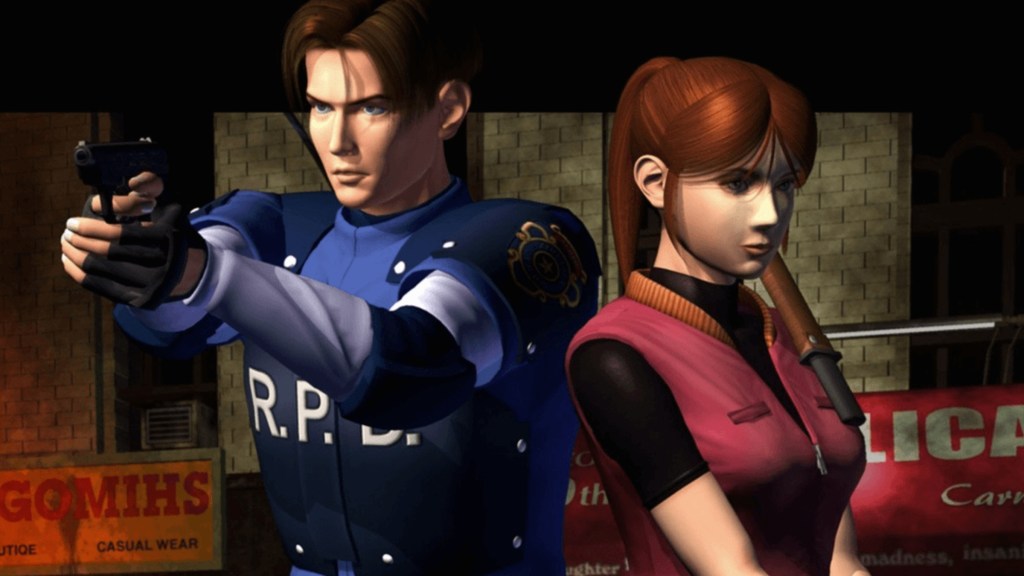
Claire Redfield was introduced in Resident Evil 2 on November 16, 1999, serving as one of the lead characters in the blockbuster sequel. The sister of Resident Evil‘s Chris, Claire, arrived in Raccoon City looking for details about her brother after the events of the first game. Unfortunately, this left Claire at ground zero of the T-Virus outbreak, leaving her to fend off hordes of the undead monstrosities that Umbrella’s experiments had produced.
Initially conceived as an average college student named Elza, the character was tweaked during development so that the sequel could have a direct connection to the original game, leading her to be made into a Redfield. Similar to Jill Valentine in the previous game, Claire feels like a subversion of typical gaming impulses when it comes to female characters. The character is presented as competent, determined, and reasonable, with a protective nature that leads her to protect Sherry Birkin from the machinations of her father. Alongside Leon, Claire was quickly embraced by critics and players alike, with Resident Evil 2 quickly becoming a massive success. and should have made Claire a major player in the series.
Claire Shifted To Resident Evil Spin-Offs
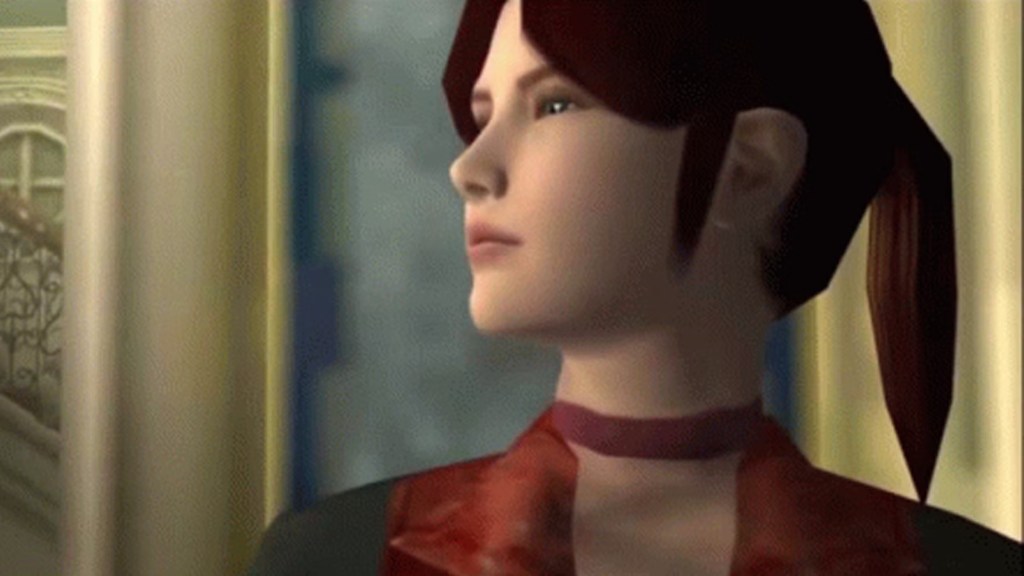
While Jill took the lead role back in the subsequent Resident Evil 3: Nemesis, Claire quickly returned for the spin-off title, Resident Evil: Code Veronica. In contrast to Leon, who had to wait a few more years for his return, Code Veronica threw Claire headfirst into the franchise’s overarching narrative, reuniting her with her brother and briefly confronting long-running series antagonist Albert Wesker in later versions of the game. Although that game ended with Claire poised to take a more important role in the fight against Umbrella, it wasn’t taken as the central driving story of the series.
It would be over a decade before Claire would headline a major entry in the series, instead largely appearing in light-gun spin-offs like Resident Evil: The Darkside Chronicles or multiplayer games like Resident Evil: The Mercenaries 3D. 2015’s Resident Evil: Revelations 2 brought her back into a starring role before 2019’s Resident Evil 2 remake reimagined her first adventure. While Claire hasn’t been forgotten by the series, she hasn’t received the kind of attention or glow-up that turned her fellow Resident Evil 2 star into one of the main fixtures of the franchise. In fact, while Leon was able to make himself a fixture of the mainline series, Claire was largely relegated to occasional spin-off appearances.
Why Clair Redfield Fell Out Of Resident Evil’s Spotlight
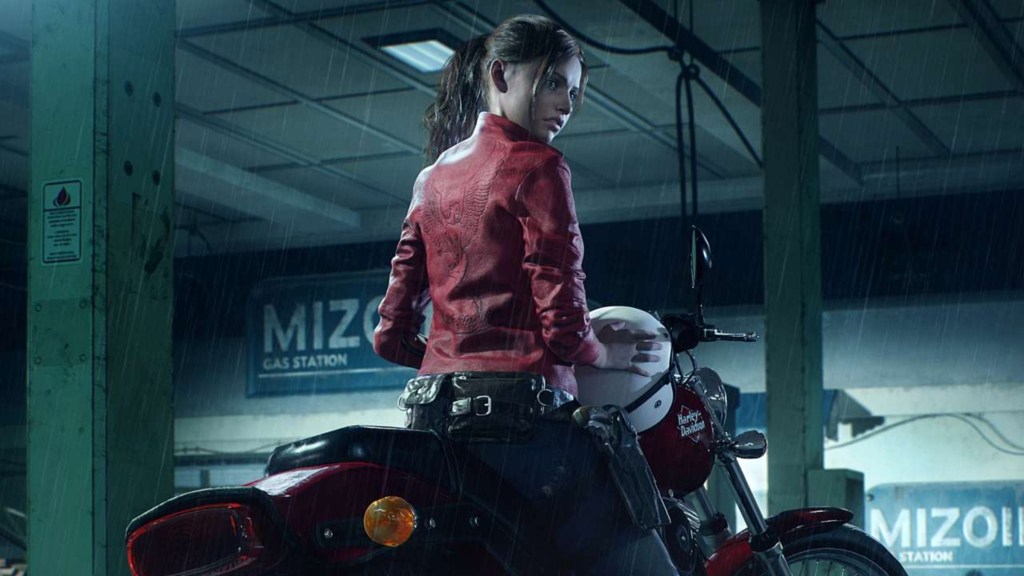
In retrospect, it’s a little surprising that it was Leon who became the breakout star of Resident Evil 2 over Claire. On paper, Clair’s status as a relative to Chris, protector to Shirley, and direct opponent to Umbrella made her an ideal driving figure in the battle against Wesker. However, after a few stumbles, Resident Evil 4 redefined the series and changed action-horror games forever. Leon’s restructure into a more campy action hero also proved more popular with gamers than Claire’s more dramatic role in the increasingly convoluted lore of the franchise.
It also likely didn’t help Claire’s case that Code Veronica, while well-received by critics and gamers at the time of release, never got the sort of attention and accolades that Resident Evil 4 did. Instead, that game took on a very different tone and introduced new characters, with only Leon and Ada Wong serving as connective tissue to previous games. As such, the series proved more willing to diverge from the established enemies like Wesker, laying the groundwork for subsequent sequels to take even bigger narrative swings (like almost abandoning the established characters entirely for a new story in Resident Evil 7: Biohazard). Claire has also not been completely forgotten, as she’s retained an important prescene in the animated films and tie-in media across books and comics.
Claire remains an important character in the larger lore of the series, but (outside of the lead role in the Resident Evil 2 remake) she’s been largely absent from the spotlight. Still, it’s worth noting how her influence remains important in the series. Resident Evil: Requiem is bringing back Leon and contrasting him against Grace Ashford, whose more grounded experiences but resilient drive make her a surprisingly good parallel to the original incarnation of Claire. Still, fans can only keep hope alive that Claire finds a way to return to the spotlight soon, or that, at the very least, she has a role to play in the future games.
More Gaming
-

Screenshot by ComicBook -

Courtesy of Epic Games -

Courtesy of Valve and Hound13