Resident Evil Requiem pulls a lot from the legacy of the franchise and excels precisely because it is able to combine two of the best games in the entire series. Set 30 years after the initial Raccoon City outbreak – and allowing the game to reflect the real-life legacy of the series – Requiem has so far only revealed one setting, the Rhodes Hill Chronic Care Center. This location recalls plenty of games in the series, like the Spencer Mansion from Resident Evil and Castle Dimitrescu from Resident Evil Village.
Videos by ComicBook.com
However, in terms of raw gameplay, Requiem has two very clear (and very distinct) inspirations that take the broad concept of “survival horror” and play with it in very different ways. The fact that Requiem is addressing both polar ends of the franchise’s established style highlights how focused the game is on taking the best of the past as part of a process of an exciting future for the franchise.
Requiem Fuses Biohazard With Resident Evil 4
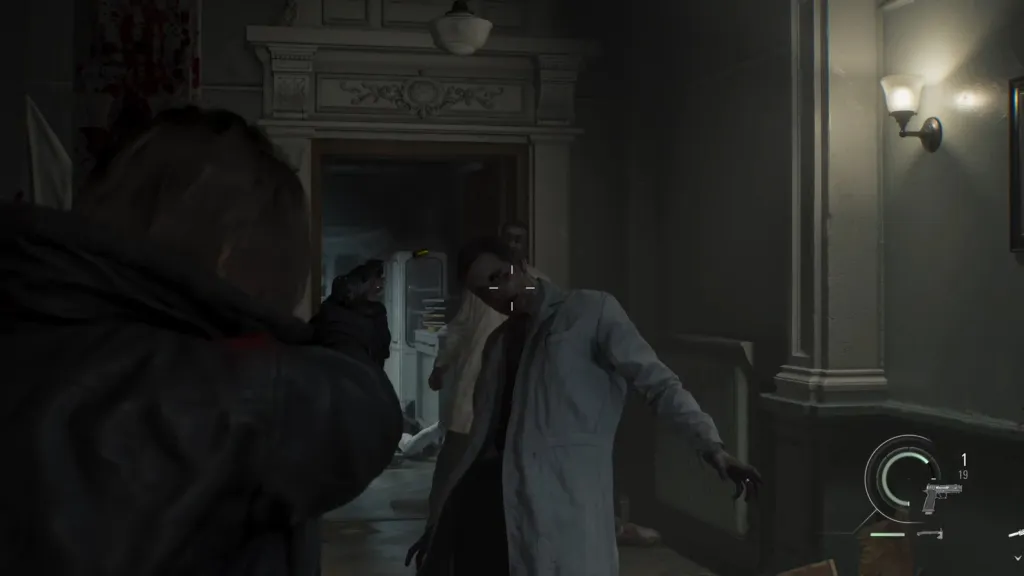
One of the most exciting elements of Resident Evil Requiem is the way it reflects the expanse of gameplay styles that the Resident Evil franchise has embraced over the years. At its core, the game splits its focus between two stories and gameplay styles. As they travel through the same setting on their own, Leon Kennedy and Grace Ashcroft each embrace different gameplay styles. For Leon, his adventure will feel perfectly attuned to anyone who has played Resident Evil 4. There’s an emphasis on action and combat, with Leon forced to dodge around enemies, parry attacks, and keep up a constant stream of gunfire to stay alive.
These sections of the game are frantic without ever feeling out of control, reflecting the way Resident Evil 4 found a perfect balance of action, tension, and brief breathers. Meanwhile, new protagonist Grace isn’t used to the monsters and zombies that are definitive in the series, leaving her with far fewer options in combat. As a result, her gameplay is more focused on stealth and puzzles, more in line with the gameplay of Resident Evil 7: Biohazard.
Ethan Winters was similarly a more average person caught in a horrifying situation, whose gameplay worked great in first person. Grace takes a similar approach, with much of her experience focused on ratcheting up the tension for the player. They’re two very different gameplay styles that represent the two very different kinds of Resident Evil games that exist, and it’s incredibly ambitious for Resident Evil Requiem to try and tackle both at the same time.
The Gameplay Switch Has Multiple Strengths For Resident Evil Requiem
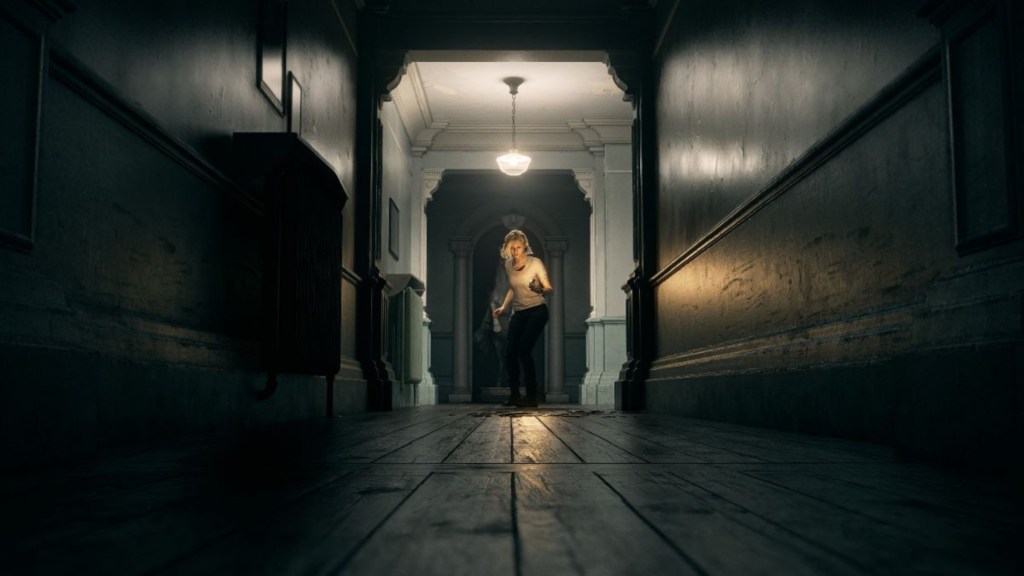
That hard shift in terms of gameplay could be a tricky challenge for a game. Look at something like Marvel’s Spider-Man 2, where the sudden bursts of stealth gameplay focused on Mary-Jane Watson feel like an unnecessary distraction from the core gameplay. By contrast, Resident Evil Requiem makes both parts of the gameplay crucial to the experience, literally feeding from one segment to the other as part of the narrative. The gameplay that the press got to experience started with Leon, highlighting the unstoppable agent at his best. It was then quickly followed by a shift to Grace, which ratcheted up the tension by forcing the player to suddenly become someone far smaller, physically weaker, and significantly less experienced.
That gameplay switch is a great approach to storytelling/gameplay immersion, reflecting the shift to Grace by making the gameplay very different. By contrast, surviving Grace’s sections by sneaking around and successfully escaping the grasp of the undead gives way to scenes where players can embody Leon and take out their frustrations about the undead with a couple of well-placed kicks to the head or hand-axe to the face. It’s a clever trick, allowing Capcom to keep the tension high with Grace’s gameplay while having fun with the action of Leon. Both gameplay styles speak to the different ways Resident Evil has been interpreted by developers over the years and are another way that Requiem feels like a tribute to the series as a whole.
The game seems rooted in exploring classic tropes with fan-favorite characters, all while introducing new threats and characters. Elements of the plot, like a villainous scientist moving behind the scenes and survivors caught in an isolated setting, are present but filtered through a world that has seen plenty of outbreaks and chaos. It feels like both games, but splitting up the focus and using both sides to really distinguish the playable characters makes it feel less like a retread and more like the game deliberately reflecting the story. One of the best ways Resident Evil Requiem pays tribute to the series is by taking two of the best gameplay loops from the series and combining them to create something new that can carry the series into a new generation.
Most Viewed
-

Sony Pictures -

Image Courtesy of Marvel Comics -

Image courtesy of The Pokemon Company -

Image Courtesy of HIDIVE -

Image Courtesy of Netflix -

Image Courtesy of Marvel Studios