Resonance: A Plague Tale Legacy is a far cry from the games that came before it in the series, and that’s not necessarily a bad thing. Debuting in 2019, A Plague Tale: Innocence was a tense stealth game that used the Inquisition and the outbreak of the Bubonic Plague as the backdrop for a stealthy game where players were just as likely to solve a puzzle as they were to be overtaken by a swarm of rats. The sequel followed suit, expanding the narrative and leaning further into that tone. That’s what makes the third game in the series such a surprise, as the upcoming prequel takes on an entirely different style of gameplay and storytelling.
Videos by ComicBook.com
Resonance: A Plague Tale Legacy is a brightly lit and vividly constructed action-adventure story that teases, hopping between time periods. During a demo provided to members of the media, the mixture of action and puzzles recalls something of a hybrid Assassin’s Creed/Uncharted game, something that’s reinforced by the cinematic scope affixed to the presentation. While it may be much more of an action game than a stealth one — and your opinion on how much that excites or bothers you depends entirely on your gaming preferences — there’s a lot to get excited about with Resonance, given what we’ve seen of it so far.
How Resonance Takes Plague Tale Across The Ages
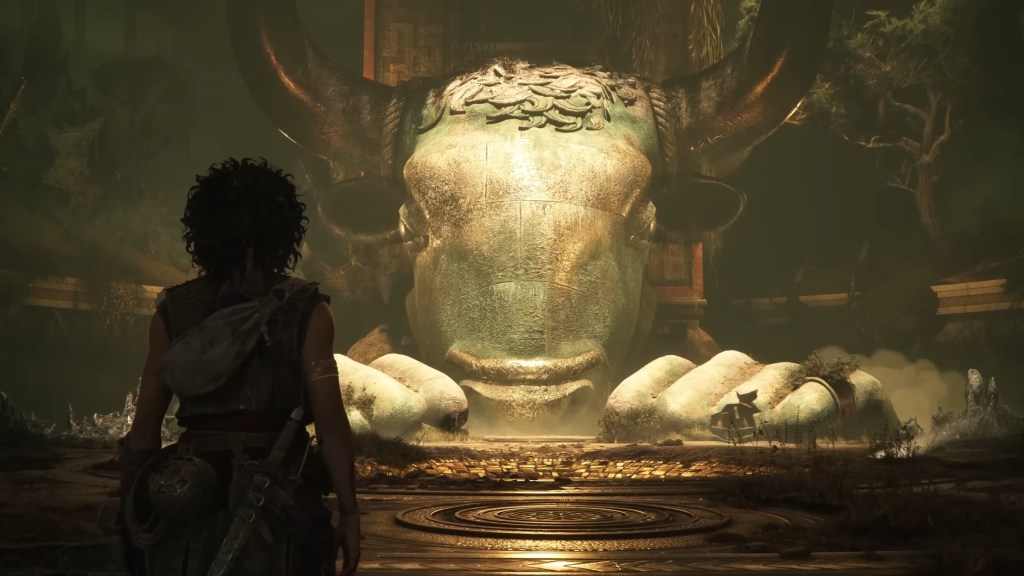
The third entry in the A Plague Tale series, Resonance takes place far earlier in the timeline than the previous games. The focus is split between two eras; In one, the smuggler Sophia makes her way through the world 15 years before the events of the previous two games. Alternatively, players take on the role of Cassandra in the Minoan period. The events in the distant past have ramifications for Sophia centuries later, setting up an interesting push and pull of unintended consequences. The demo provided to the media of the game largely focuses on Sophia and her friend Lena as they explore the island, contending with soldiers and moving through the ruins by solving mysteries.
However, there are clues throughout that there is a deeper history at play than anyone realizes, with Sophia having some sort of connection to Cassandra that isn’t fully explained. The setup will feel familiar to anyone who has played an Assassin’s Creed game that does something similar, although the capabilities of both the ancient and the “modern” hero suggest that there is going to be more agency afforded to both time periods. It’s an interesting direction to see, especially with Asobo Studio teasing that the game will actually function just fine as a stand-alone game.
Combat Is Key In Resonance’s Time Periods
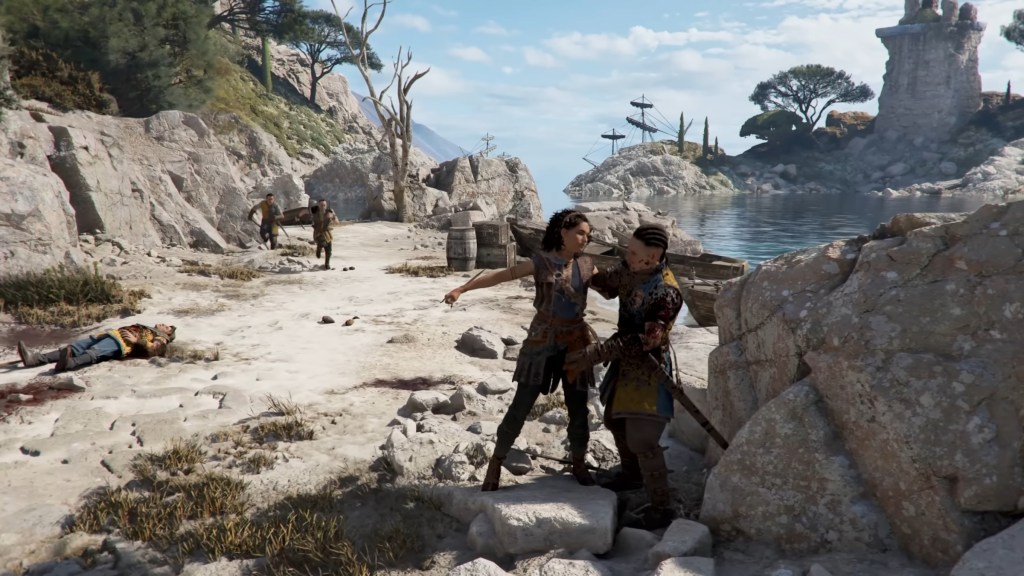
The demo released to members of the press highlights the biggest difference between the games, and it’s not the time periods of character shifts. While the first Plague games were all rooted in stealth as the central mechanic and as the key way to keep someone alive, combat is a far more important feature of this game. As opposed to the more subdued stealth mechanics of Amicia and Hugo’s adventures, Sophia is a far more capable fighter. Equipped with a sword, a dagger, and a hook, Sophia engages in combat directly against the soldiers that she can find on Minotaur Island. The game features the same basic approach to combat that’s been refined over generations of game design, with simple commands for attack, block, and parry.
The hook is the real trick, though, as it opens up a lot more avenues of attack and puts emphasis on closing the gap between the enemies and yourself in time for a nice, deadly attack. Sudden bursts of enhanced power or a well-placed kill shot bring in the camera for a brutal dispatch, then shift back to a more regular pacing for a large sandbox-style adventure. While the demo doesn’t offer a broad view of how complex or deep the combat could become, the fast-paced nature of the action lends itself well to fast confrontations and a quicker pace than the previous games.
Resonance Is Way More Of An Adventure Than A Plague Tale
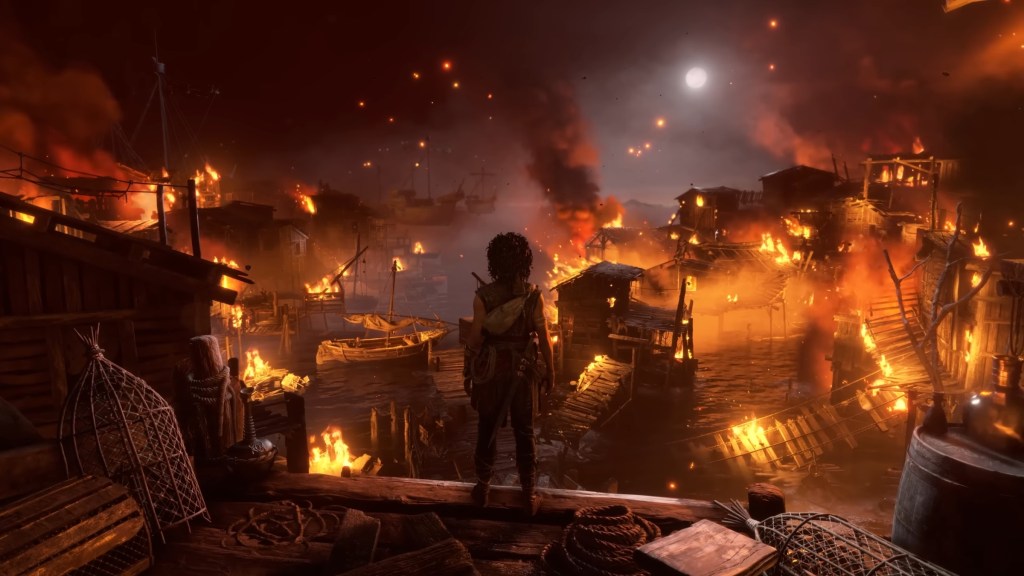
Intermixed with these combat sequences are fairly straightforward puzzles that offer enough of a challenge to not be too easy, but without the complexity to become frustrating. Resonance is very much going for a cinematic feel, something that the previous games accomplished, but with a very different tone. There’s a real sense of adventure as players explore the island, especially as players take Sophia through ruins of long-lost civilizations and over half-sunken ships in the nearby bay.
All bolstered by terrific graphics that don’t lose sight of the characters even against the epic backdrops, Resonance does a great job of feeling epic. The fast-paced action, grandiose settings, and vividly designed temples recall something more along the lines of the Assassin’s Creed or Uncharted franchises, which isn’t meant as a complaint. While it’s very different from what people might have been expecting from the latest entry in the otherwise grim stealth series, the underlying strength of the action game design and the cinematic vibes in the demo for Resonance make for a compelling tease of what’s to come.
Resonance: A Plague Tale Legacy is scheduled to launch for PlayStation 5, Xbox Series X/S, and Windows on August 27, 2026.
More Gaming
-

Courtesy of Wizards of the Coast -

Image Courtesy of Kwalee