Some video game franchises explode into mainstream popularity immediately. Others make a name for themselves over time through strong storytelling, memorable characters, and consistent quality. The latter are often great games, but get buried by more popular titles. Over the last decade, several narrative-driven games have earned critical acclaim without ever reaching the sales numbers or public attention of massive AAA franchises. This is particularly true for this incredible series, which has remained relatively obscure compared to similar releases.
Videos by ComicBook.com
A Plague Tale remains one of gaming’s most underrated modern series seven years after it began. A Plague Tale: Innocence was first released on May 14, 2019, introducing players to a dark medieval world shaped by war, disease, and supernatural horror. Since then, both A Plague Tale: Innocence and A Plague Tale: Requiem have been praised for their storytelling, atmosphere, performances, and emotional character writing. Now the franchise is continuing with Resonance: A Plague Tale Legacy, a brand new entry from Asobo Studio set 15 years before A Plague Tale: Requiem. The upcoming game appears poised to expand the series in significant ways, proving that the franchise has become far bigger than many expected.
A Plague Tale Never Got the Attention It Deserved
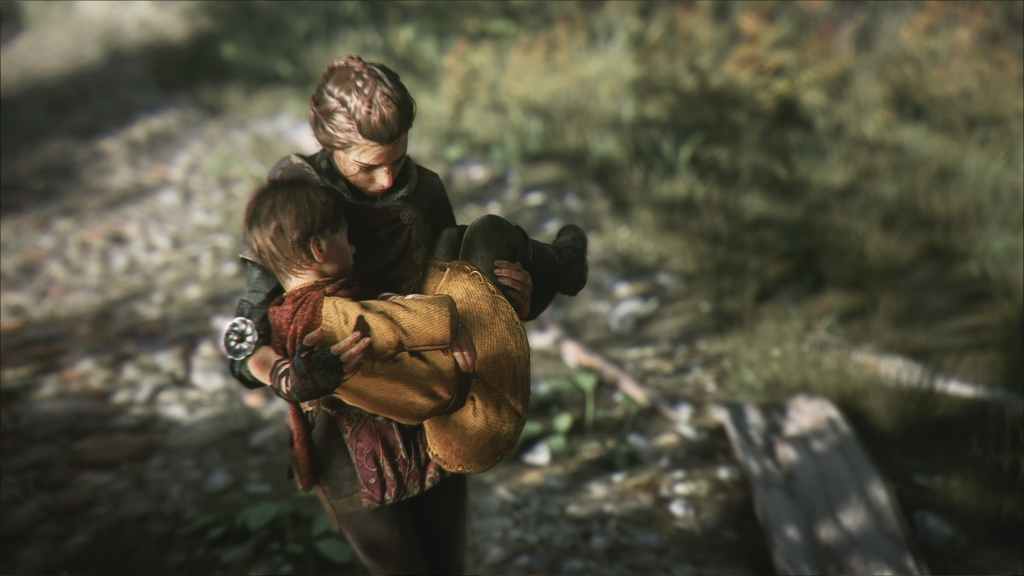
When A Plague Tale: Innocence launched in 2019, it entered a crowded gaming landscape filled with massive open-world games, live service shooters, and blockbuster sequels. The game quickly stood out because of its focused storytelling and unique setting, which went in the opposite direction of some of the bigger releases at that time. Rather than chasing trends, Asobo Studio created a linear narrative adventure centered on survival, stealth, and emotional character development.

The reception was incredibly positive. Praise for its atmosphere, voice acting, visual presentation, and relationship between siblings Amicia and Hugo highlighted A Plague Tale: Innocence’s strengths. The setting also helped separate it from other action-adventure titles. Medieval France during the Black Death created a grim but memorable backdrop that felt unlike most modern games. Swarms of rats became one of the franchise’s defining mechanics and added constant tension to exploration and stealth sections.
The release of A Plague Tale: Requiem in 2022 further proved the franchise’s quality. The sequel received widespread praise and earned multiple award nominations. Many players considered it an improvement over the original because of its expanded environments, stronger emotional moments, and improved gameplay systems. Yet despite this critical success, the series still does not receive the same widespread attention as other major narrative franchises. That disconnect is exactly why many fans continue calling it one of gaming’s most underrated modern series.
The Series Blends Stealth, Horror, and Emotional Storytelling
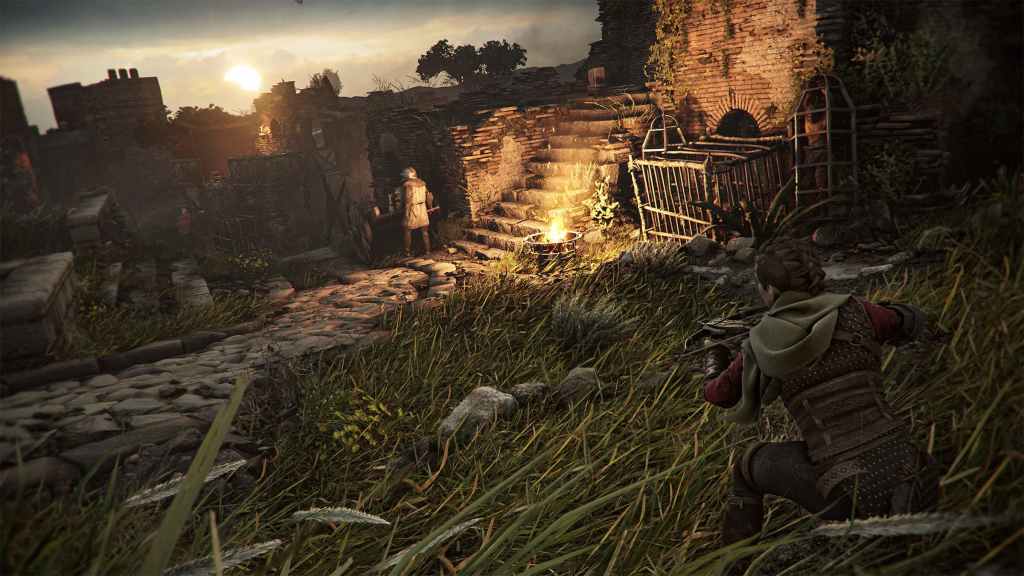
One reason A Plague Tale stands out is how effectively it combines gameplay and storytelling. The series does not rely on nonstop combat or huge action sequences. Instead, tension comes from survival, limited resources, and the constant threat surrounding the characters. To me, it felt like a strange blend of Dishonored and The Last of Us, pulling many aesthetics and vibes from both series to create something unique and unsettling.
In A Plague Tale: Innocence, players control Amicia as she protects her younger brother Hugo while escaping the Inquisition and surviving plague-infested environments. Stealth plays a huge role throughout the game. Players distract guards, manipulate light sources, and avoid deadly rat swarms that consume nearly everything in darkness. The mechanics remain simple compared to larger stealth franchises, but they work because they directly support the story’s desperate atmosphere.
But where the series shines is its emotional storytelling. The bond between Amicia and Hugo drives nearly every scene across both games. Their relationship evolves naturally through fear, trauma, survival, and sacrifice. The writing avoids feeling overly dramatic because the characters react like believable people trapped in horrifying situations. Requiem expanded those ideas significantly. The sequel introduced larger environments, more combat options, and improved AI systems while still keeping the emotional focus intact. Amicia became more capable in combat, but violence still carried weight within the story, successfully balancing action and vulnerability.
The series also excels visually and tonally. Asobo Studio created richly detailed medieval environments filled with ruined villages, castles, forests, and plague-ridden cities. Combined with strong music and lighting, these locations help create a constant sense of dread and desperation. Few games capture atmosphere as effectively as A Plague Tale, and many moments from the series stick with me today. When the game throws thousands of rats at you during a chase scene, it becomes a horrifying and memorable experience in the best way possible.
Resonance: A Plague Tale Legacy Could Expand the Series in Major Ways

Now the franchise is preparing for its next chapter with Resonance: A Plague Tale Legacy. The upcoming game moves back in time and introduces a new protagonist. Set 15 years before A Plague Tale: Requiem, players control Sophia, a fierce young plunderer determined to uncover the secrets of her past as she journeys to Minotaur Island. Players will face deadly trials, dangerous terrain, puzzles, and relentless enemies hunting a mysterious treasure.
The game appears to lean further into action than previous entries, with Sophia described as a skilled and agile fighter capable of dynamic melee combat. Players will rely on parries, reflexes, tricks, and powerful strikes to survive encounters while navigating a dangerous maze filled with enemies. The setting also takes an ambitious turn, shifting between the medieval timeline and ancient Minoan times. This structure could allow Asobo Studio to explore the series’ mythology more deeply than ever before.
Puzzle solving appears to play a major role as well. Sophia uses a stolen Minoan sphere capable of manipulating light, a mechanic tied to the island’s secrets and deadly trials. Light has always been central to A Plague Tale gameplay because of the rats, so expanding those mechanics into larger environmental puzzles feels like a natural evolution for the franchise. It also allows the series’ horror elements to continue, as a restless presence will stalk Sophia throughout the game, adding constant tension.
Most importantly, Resonance: A Plague Tale Legacy proves that Asobo Studio sees long-term potential in this universe. Seven years after A Plague Tale: Innocence was first released, the series continues growing instead of fading away. But Asobo Studio isn’t content to just repeat the formula, as the upcoming game is a huge departure in style from the first two titles, reminding me of earlier Zelda games. If Resonance delivers on its ambitious ideas, it could finally push A Plague Tale closer to the wider recognition it has deserved for years, and I cannot wait to learn more about this interesting world.
What do you think? Leave a comment below and join the conversation now in the ComicBook Forum!
More Gaming
-

Courtesy of Midway -

Image courtesy of Keen Games