The PlayStation 2 remains, over twenty-five years after its heyday, one of the single best consoles in mainstream gaming history. With a deep library of titles that spanned from memorably idiosyncratic to broadly entertaining, the massive number of all-time greats and undersung cult classics available for the PS2 means it remains a major piece of gaming history. As a result, though, plenty of great titles for the console have more or less been forgotten about in modern gaming fandoms.
Videos by ComicBook.com
That’s a space definitely occupied by Shadow Hearts, a well-constructed and narratively compelling RPG that was overshadowed at the time of release by other games like Final Fantasy X. In the years since, the game’s blend of classic RPG mechanics and Lovecraftian-inspired narrative has made it a great example of how far the genre could push expectations. Here’s everything you need to know about what makes Shadow Hearts unique and why it still stands out as one of the console’s most underrated entries.
Shadow Hearts Was A Great Horror/Fantasy RPG
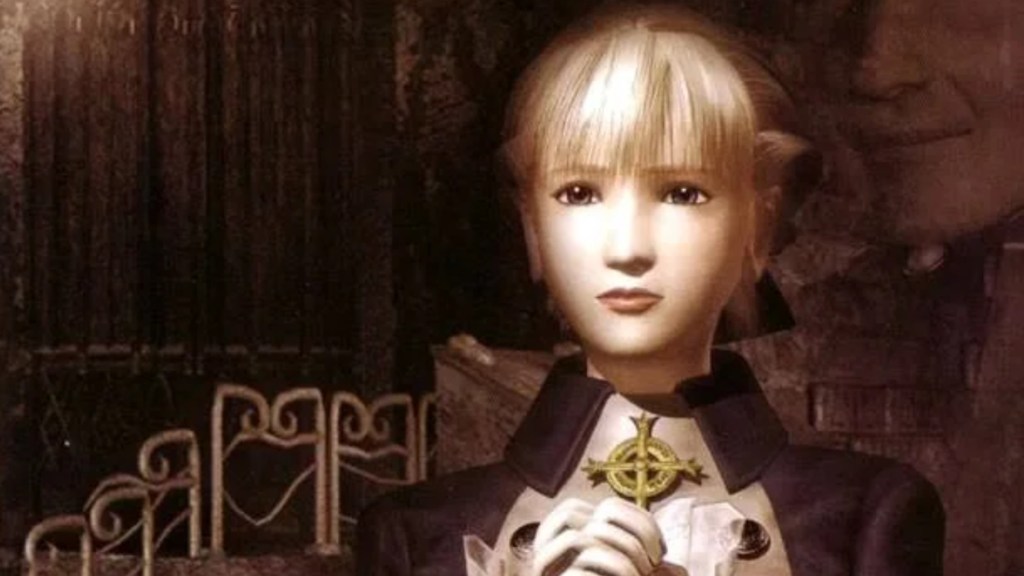
The follow-up to 1999’s PS1 game Koudelka, Shadow Hearts was a fascinating fusion of Final Fantasy-style gameplay and a Lovecraftian horror narrative. With enough unique gameplay elements and grim storytelling impulses to stand out from the rest of the genre, that all makes for a perfect cult classic. Set in 1913 in the aftermath of Koudelka’s bad ending, Shadow Hearts follows Yuri and Alice, a pair of reluctant allies who gradually grow closer while exploring an early 20th-century version of Eurasia that is on the brink of war, even apart from the demonic forces operating behind the scenes.
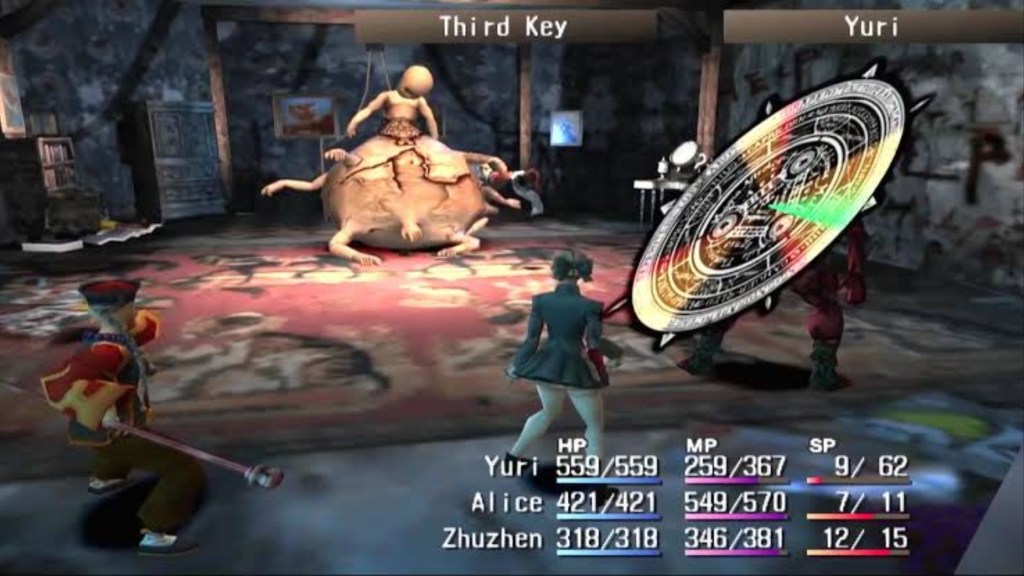
The underlying gameplay will be familiar to anyone who enjoys overworld exploration and turn-based fights of standard RPGs, with two unique caveats that add layers to the combat. There’s “Fusion,” a separate experience type bolstered by combat that allows Yuri to confront monsters in the supernatural otherworld “The Graveyard.” Defeating them allows Yuri to transform into those forms in battle, a unique means of expanding the player’s abilities and strategies in combat.
The other unique element was the “Judgement Ring,” a quick minigame where players have to specifically pinpoint their attack. Failing to do so can weaken or even negate an attack — while landing on a bonus area could induce a critical success. Both of these additions were clever tweaks on the turn-based RPG that feel like an inventive take on the QTE elements seen in games like Paper Mario.
It’s enough of a tweak on the gameplay that it helps Shadow Heart stand out from the other PS2 RPGs of the era. Coupled with a compelling central narrative, fun horror riffs on classic RPG archetypes, and a narrative that wasn’t afraid to get somber when the situation called for it, Shadow Hearts had some great touches and solid writing that elevated the overarching story. While the game dealt with mixed reviews from critics and low sales at the time of release, there were enough compelling touches to give the game a dedicated fanbase — enough to lead to two sequels.
Shadow Hearts Got A Trilogy — But Should Have Been A Franchise
All of those small gameplay tweaks, coupled with a narrative that wasn’t afraid to become overtly horrifying or tragic, gave Shadow Hearts a unique vibe that felt ahead of its time. In an era where games like Final Fantasy X were the prevailing approach to fantasy RPGs, Shadow Hearts was willing to embrace horror and grim humanity. Similar to Eternal Darkness on the GameCube, this fusion might not have resulted in immediate blockbuster sales but helped solidify it as a major hit.
The small, unique touches of the gameplay kept the otherwise basic combat lively and engaging, allowing the real focus of the game experience to be the surprisingly affecting story of Yuri and the rest of the harmonixers and exorcists that are crucial to the protection of the world from supernatural forces stemming from villainous figures like Albert Simon, an immortal sorcerer with monstrous abilities. The ability to defeat enemies and absorb their forms gave the game a distinctive, almost Pokémon-inspired touch, while also playing into the grim horror that Yuri is revealed to be a part of. As the pair contend with the ambitions of both unique enemies like Simon or larger threats like a Japanese army hoping to weaponize the supernatural for their own causes, they venture across Eurasia to contend with demons, soldiers, and even a vicious force of nature known as Atman.
It all comes together as a compelling horror story and a classically designed fantasy epic all rolled in one, the kind of genre fusion that modern audiences have embraced. 25 years after it debuted in the PS2 era, Shadow Hearts feels like an underutilized property. The original game, along with the two sequels that followed, were all underappreciated in their era. Decades later, and in an era where other attempts to fuse fantasy tropes, horror elements, and bittersweet themes have resulted in games like Clair Obscura: Expedition 33, Shadow Hearts feels like a prime example of what this style of genre fusion could offer fans.
Did you ever play Shadow Hearts? Or is it one that you’re hoping to replay down the line? Let us know in the comments and on social media!
More Gaming
-
Image Courtesy of Dreamworks -
Image Courtesy of Electronic Arts -
Image Courtesy of Electronic Arts