The Sonic the Hedgehog franchise has featured plenty of wild spin-offs and unique takes on the blue blur, but one of the ones with the most potential still feels like a disappointment twenty years after it came out. Speed is the primary factor for Sonic as a character and as a franchise, which has always given the series a unique take on the platforming mechanics. While the series is still primarily rooted in that gameplay genre, other games in the franchise have played with conventions and utilized different styles.
Videos by ComicBook.com
Given the franchise’s history with speed and typical quick pace, a racing game makes perfect sense for the series. While Sega has gotten better at this style, some of the earlier examples of Sonic racing games had larger technical struggles. One of the most disappointing came out two decades ago, and remains one of the biggest missed opportunities in the history of the series.
Sonic Riders Had Great Aesthetics And Rough Controls
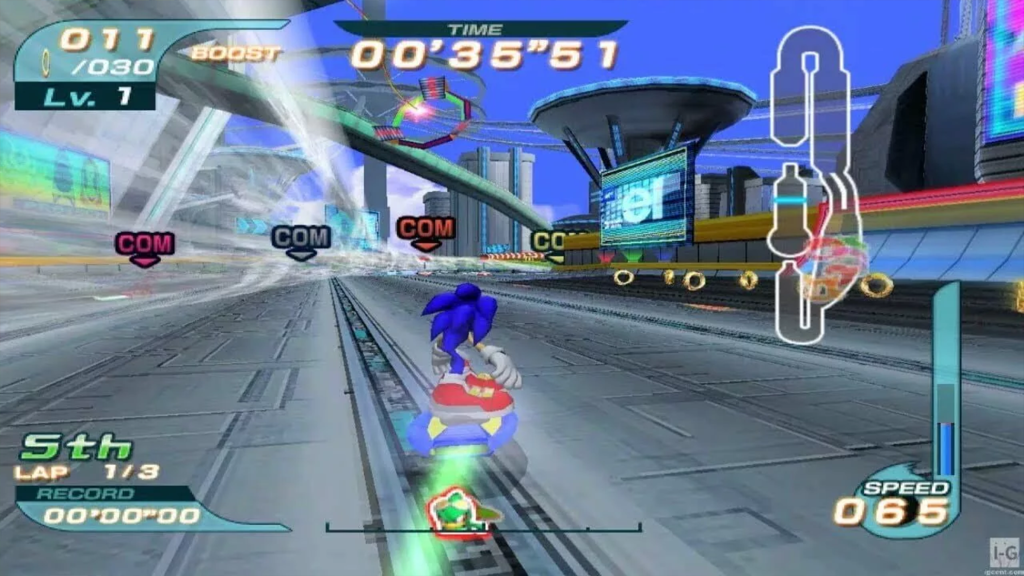
Debuting on the GameCube, PlayStation 2, and Xbox on February 21, 2006, Sonic Riders was a fun concept that couldn’t quite stick the landing. Designed as a celebration of Sonic’s 15th anniversary, Sonic Riders was developed by Sonic Team and Now Production as an attempt to put a unique stamp on the Sonic franchise and the racing genre — the first such attempt to fuse Sonic with racing mechanics since Sonic R almost a decade prior.
Producer Kenjiro Morimoto saw the potential in bringing Sonic’s brand of attitude and speed to the genre, helping direct the team towards designing a racing game that was more flexible and sleek than a conventional approach. Eschewing cars and choosing more of a snowboarding/skateboarding emphasis, the developers decided to embrace the concept of hoverboards as the primary racing mechanic. Recruiting Sonic the Hedgehog co-creator Yuji Naka to serve as an executive producer on the title, making this the final Sonic game he worked on before departing Sega to launch his own company, Prope.
The team’s intent was to create a game that felt properly reflective of the Sonic series while delivering a unique racing experience. To the team’s credit, they accomplished the former — Sonic Riders is filled to the brim with the colorful vibrancy and high-speed energy that defines Sonic as a franchise. The game’s new villains fit in neatly with the rest of the world, with the rock-heavy soundtrack and bright visual design serving as a great showcase for the charming characters that have kept fans engaged in the series for years.
Unfortunately, the gameplay wasn’t able to reach that same level. Suffering from a floaty physics engine that was just as likely to send players careening to their deaths off the side of a cliff as they were to pull off a particularly flashy move, the inconsistent nature of the controls made the technical aspects of the game incredibly frustrating to wrestle with. Compounded by the sense of speed that is inherently required for any true Sonic game, Sonic Riders suffered mixed reviews from critics, with a cumulative MetaCritic score ranging between 55/100 and 59/100 depending on the platform.
Sonic Riders Could Have Been Something Special
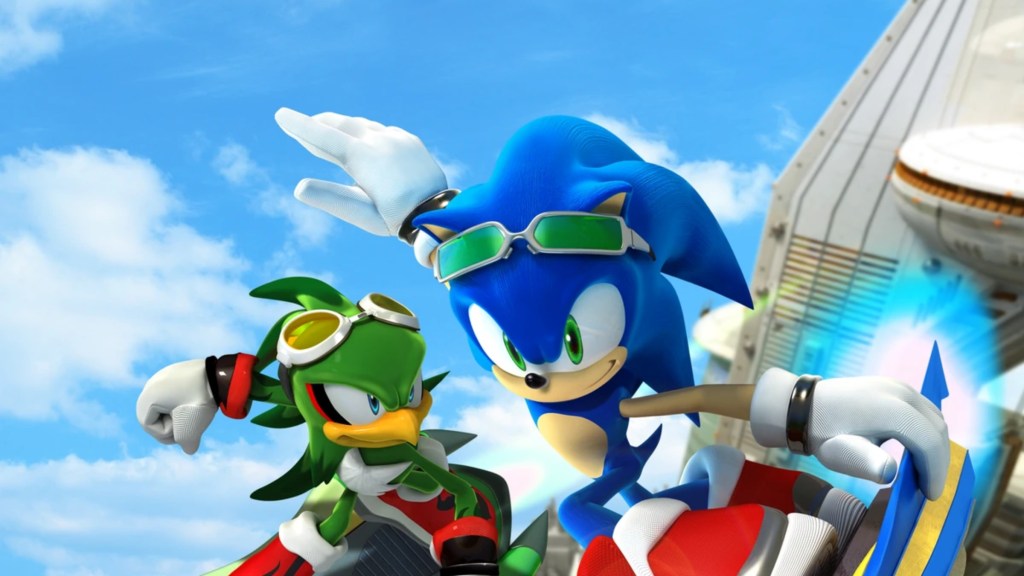
Despite the lackluster reviews, Sonic Riders was a hit with players — even generating two sequels, 2008’s Sonic Riders: Zero Gravity and 2010’s Sonic Free Riders — both of which dealt with similar reviews from critics, especially the wonky motion controls of Free Riders. It’s a shame, too, because there’s something to Sonic Riders that really works on an aesthetic level. The game’s Sonic Riders has a unique approach to movement that really lends itself well to the Sonic brand, with a flightiness and speed that benefits the characters and their universe.
The aesthetics of the game, both on a visual and musical level, are exciting. On a surface level, Sonic fans will love Sonic Riders. Even now, though, it’s hard to look past the clunky controls and messy physics, which largely keep the game from elevating among the upper echelon of mascot racing games. It’s what makes it all the more disappointing, as there’s really something effective in the presentation. It feels authentically Sonic in its overall design and aesthetic, but fails to connect on a gameplay level. In many ways, it’s reflective of the struggles that the Sonic franchise suffered in this era.
The shift to 3D proved tricky for the franchise, with a mix of clunky controls and strange design choices negatively impacting the overall experience. Sonic Racing: CrossWorlds is great modern proof that Sonic can work tremendously well as a modern racing game, but that it requires strong design and tight mechanics to match the visual flair and musical charm of the series. If Sonic Riders had been able to meet that same level of craft, it could have been something special. Instead, it remains a tricky title that may have its fans, but it never achieved the greatness it might have otherwise achieved.
Most Viewed
-

Image Courtesy of Madhouse -

Lucasfilm – 20th Century Studios