Nintendo has always been at the forefront of gaming on the go. The Game Boy was a revolutionary piece of hardware in the long run, leading to a successful series of releases that bolstered the publisher’s profits even when consoles failed to connect with a broader audience. The era of mobile phones challenged that, however, with the rise of Android and iPhones cutting into the sales of Nintendo consoles and mobile devices.
Videos by ComicBook.com
This prompted Nintendo to take a more proactive approach to its place in the modern mobile gaming space. The Nintendo Switch ended up being their big winner, with the mix of console play and maneuverability paying off with record sales for the console. However, another attempt to keep Nintendo in the modern mobile space was a number of games designed specifically for phones, including Super Mario Run. Bringing back the team that helped make the Mario Bros. into a gaming institution, the title remains an interesting showcase of the heights (and limits) of taking a character like Mario into
Almost A Decade Ago, Nintendo Entered The Mobile Gaming Space
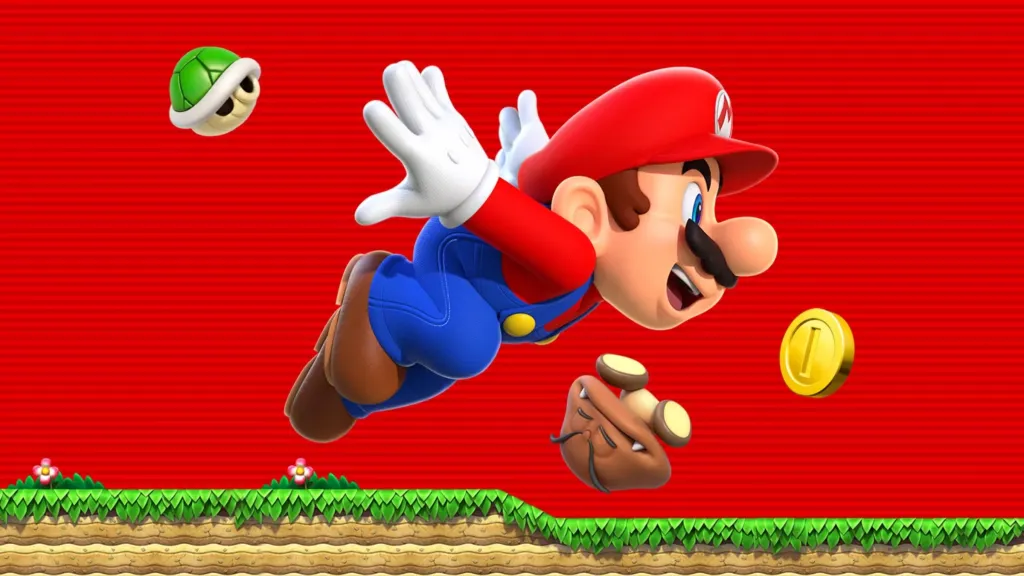
While Super Mario Run came out in the months after Pokémon Go proved that Nintendo titles could successfully make the leap to mobile phones, the Mario title remains an ambitious experiment from the publisher that didn’t quite pay off. The first game to heavily involve Shigeru Miyamoto since Super Mario Galaxy nearly a decade prior, Super Mario Run is a fusion of the traditional Super Mario Bros. gameplay mechanics and auto-runners, where a mix of traditional platforming and well-timed jumps is the key to success.
Although the company had been hesitant to develop mobile titles, the runaway success of mobile gaming in the 2010s forced Nintendo to reevaluate that stance — especially when it started to eat into the profits of the Nintendo Wii U and 3DS. Rather than simply porting older titles to mobile platforms, Nintendo decided it would be more interesting to experiment with a new gameplay style, all while refining the experience and simplifying it for players. Taking inspiration from speedrunners and their commitment to beating Mario levels faster than anyone else, the game’s sense of competition comes from challenging players to beat levels quickly while collecting every possible coin.
Super Mario Run’s Initial Success Eventually Became A Stumble
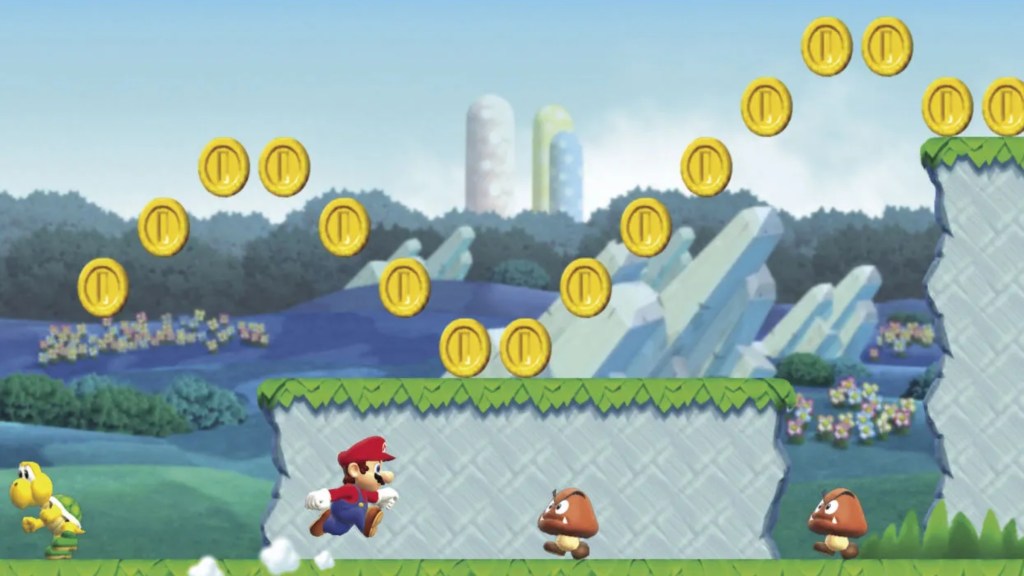
If Nintendo was testing the waters of how successful mobile gaming could be, then Super Mario Run was a great proof of concept — and a reminder about the limits of the model. The game received fairly solid reviews, although some critics were frustrated by the fairly standard gameplay. Players were also initially put off by the game’s initial $10.00 price tag. Specifically chosen to avoid forcing microtransactions on players for level progression, the price came under fire from many gamers.
Despite this, Super Mario Run was a massive success for the publisher. It earned over $5 million in revenue within the first day of release and clocked in 40 million downloads within four days, even surpassing Pokémon Go‘s initial success. However, most players only tried out the free demo, leaving the full game locked for most players. As a result, Super Mario Run ended up being a bit of a disappointment for the publisher, with Fire Emblem Heroes (another mobile game from Nintendo that utilized a more common freeimum approach) earning more overall than Super Mario Run.
Almost A Decade Later, What Is Super Mario Run’s Legacy?
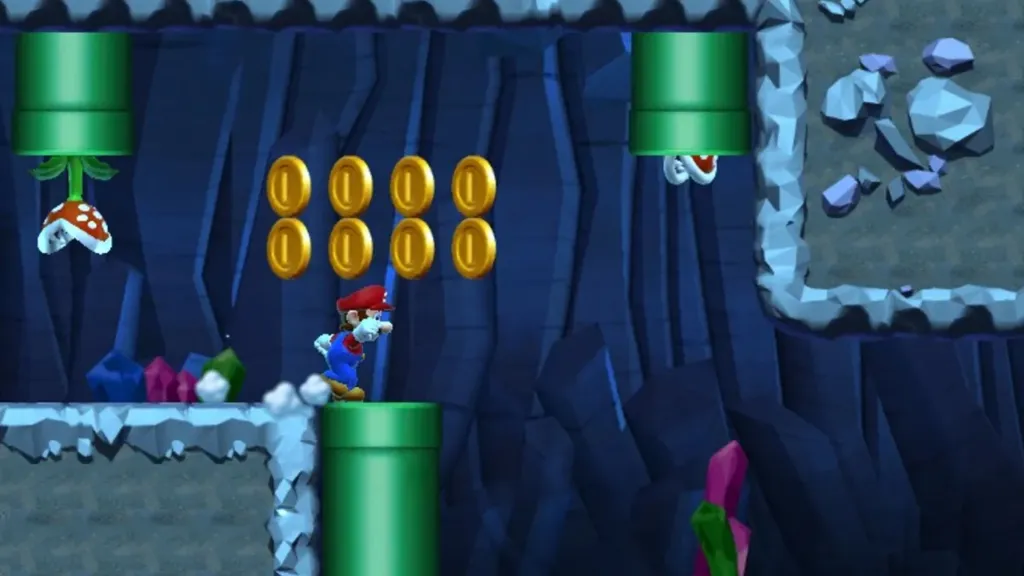
While other Nintendo mobile games like Pokémon Go continue to have dedicated player bases almost a full ten years after they debuted, Super Mario Run stands out more as an intriguing footnote in Nintendo history. The initial success of Miitomo, Pokémon Go, and Super Mario Run led to more mobile games like Fire Emblem Heroes, Animal Crossing: Pocket Camp, Mario Kart Tour, and Dr. Mario World. In the years since, however, many of those titles have been discontinued. While Super Mario Run remains a presence in mobile game stores, it has not received any major updates in years. At this point, the largest updates are mostly cosmetic, to tie the game into other Nintendo releases (such as new gear tied to Donkey Kong Bananza).
In fact, the biggest mobile success Nintendo has found may be Fire Emblem Heroes, which earned $1.193 billion since it launched — thanks in large part to a consistent and loyal fanbase in Japan. During an interview with The Game Business, founder and editor of MobileGamer Neil Long discussed the success of the company’s mobile push, which earned them billions of dollars. However, because Nintendo is more focused on the success of their in-house consoles rather than partnerships with the likes of Apple, this revenue wasn’t meant to be the future of Nintendo. It’s possible that, without the runaway success of the Nintendo Switch, Nintendo may have remained more focused on mobile gaming. In that world, maybe Super Mario Run became a foundational title for the company’s future. As it stands, though, Super Mario Run remains a fun, playable, and ultimately disposable part of the plumber’s legacy.
Most Viewed
-

Sony Pictures -

Courtesy of Crunchyroll -
Image courtesy of The Pokemon Company -

Image Courtesy of Marvel Studios