Role-playing games have changed dramatically over the last several decades. Early RPGs were built around rigid systems, menu-driven combat, and heavy stat management that often prioritized planning over moment-to-moment engagement. As technology improved, developers experimented with real-time combat, cinematic presentation, and hybrid systems that blurred the line between action and turn-based design. From sprawling open worlds to tightly authored indie adventures, RPGs have continually evolved to meet player expectations while pushing the genre forward.
Videos by ComicBook.com
But despite all that innovation, a 30-year-old mechanic just proved it still has what it takes to hang with modern game design. First introduced in Square and Nintendo’s Super Mario RPG, turn-based combat with timed-action inputs continues to win. 2025’s Game of the Year, Clair Obscur: Expedition 33, is perhaps the pinnacle of this mechanic, but it is not only among great games using this system. No one could have expected pressing buttons at the right moment would blow up, but this simple twist influenced RPGs long after Super Mario RPG.
Super Mario RPG Is One of the Most Revolutionary Games
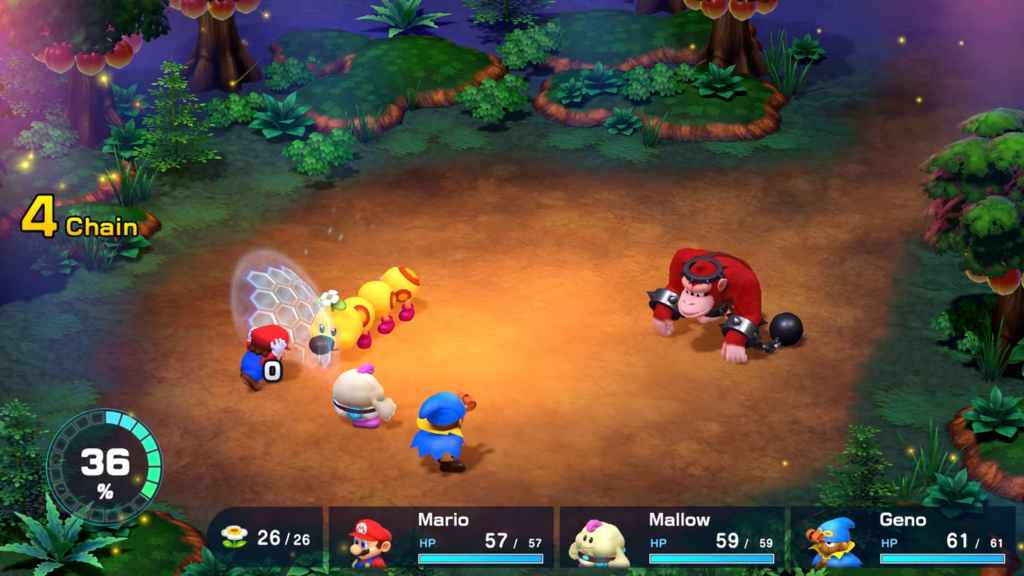
Super Mario RPG stands as one of the most important collaborations in video game history. It united Nintendo’s iconic characters and design philosophy with Square’s deep RPG expertise. At the time, Square was known for series like Final Fantasy, while Nintendo had never released a full-scale role-playing game starring Mario. The result was something entirely new that felt accessible without sacrificing depth and drew in fans of multiple genres.

The combat system was the heart of that success. Battles followed a turn-based structure, but timed button presses added a skill component that made every action feel meaningful. A well-timed attack could deal extra damage, while a perfectly timed block could reduce incoming hits. This system encouraged players to stay engaged instead of simply selecting commands and waiting for animations to finish.
Super Mario RPG made combat approachable for new audiences and offered an incentive to master it. Longtime RPG fans also appreciated how the system added tension and satisfaction without overwhelming complexity. It was this blend of strategy and reflexes that helped Super Mario RPG stand out from the already incredible RPGs available, like Final Fantasy VI. Of course, Mario’s star power also pulled in a lot of players, but it was the turn-based timed-action input combat that kept them playing.
Turn-Based With Timed Action Inputs Still Dominates Today
The success of Super Mario RPG echoed throughout the RPG genre. Nintendo carried and expanded the idea through Paper Mario, ultimately creating one of the best games of all time, Paper Mario: The Thousand-Year Door. Its combat system refined timed inputs even further, layering audience mechanics, stylish moves, and defensive timing into a system that felt both playful and deep.
We’ve also seen other developers implement this combat system to great success. While the gorgeous pixel art and homage to Chrono Trigger immediately caught fans’ eyes, Sea of Stars’ turn-based action input combat was the real reason for its praise. It used this classic RPG mechanic as its inspiration, making combat feel dynamic and rewarding those who stay alert during every encounter.
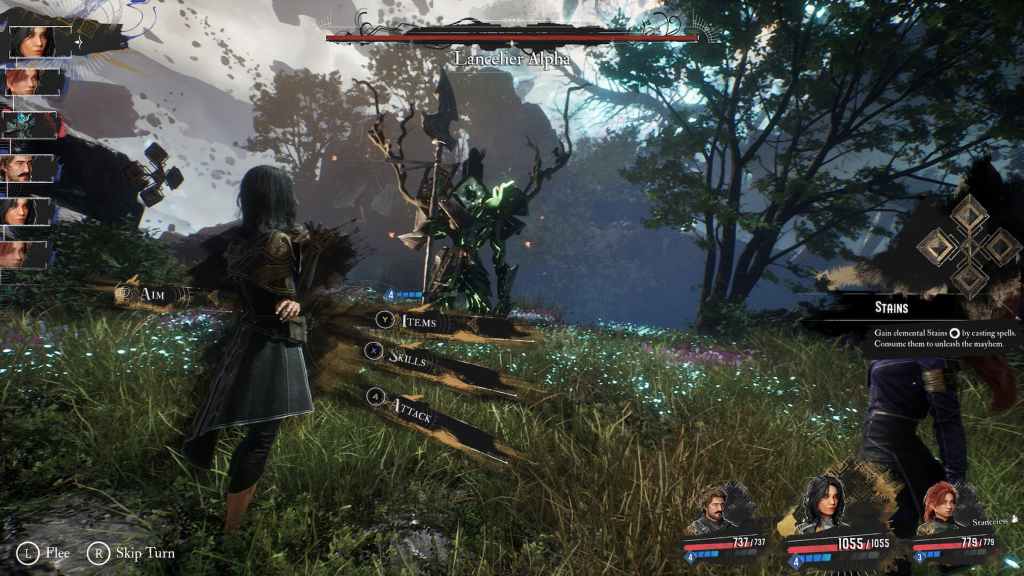
But perhaps the greatest example of this is Clair Obscur: Expedition 33, which went on to win Game of the Year. While its narrative, musical score, and beautiful aesthetics are often cited for its triumph, these conversations always include the battle system. A system that was clearly influenced by Super Mario RPG. It perfectly emulated the layer of skill that turn-based with timed-action input brings, while refining it more than any other game before.
And I suspect developers have taken notice. One game that particularly excites me is Game Freak’s Beast of Reincarnation. While it is not turn-based, but an action RPG, it uses time-based action input that feels more in line with Super Mario RPG than quick time events seen in the genre. Developers are not only using this beloved combat system for inspiration, but continuing to evolve it in interesting and meaningful ways.
Why This Decades All Mechanic Still Works
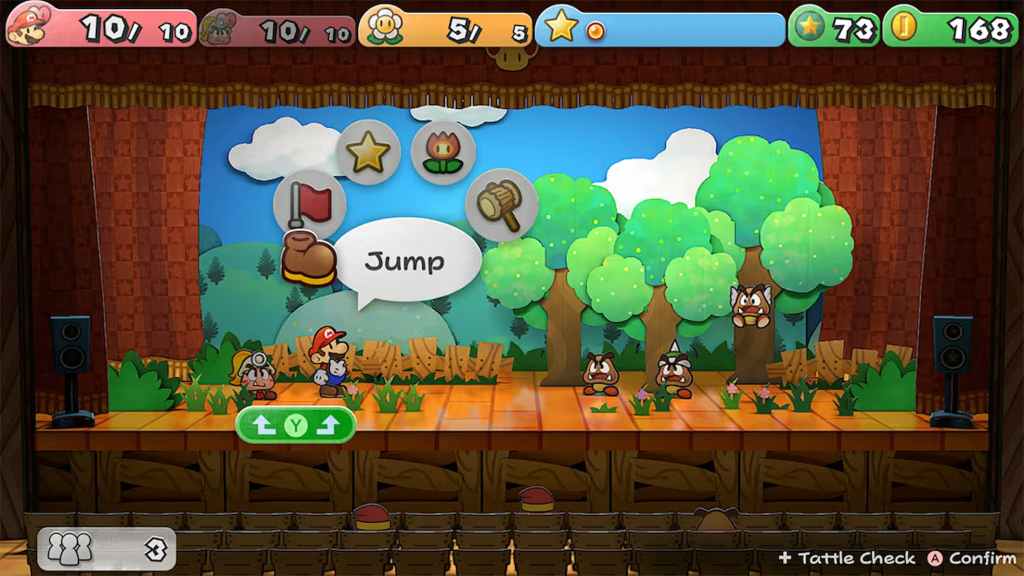
The reason timed action inputs endure is simple. They combine two powerful ideas that players love: strategy and skill. Traditional turn-based RPGs reward planning, understanding systems, and making smart choices. Action games reward reflexes, timing, and execution. Super Mario RPG perfectly combined these two ideas, and future games have only expanded on this.
As someone who grew up playing RPGs, I remember how Super Mario RPG made battles feel different from anything else at the time. Even random encounters demanded attention. You could not simply mash through menus while distracted. You had to watch animations, listen for cues, and react at the right moment. That sense of involvement made victories more satisfying and losses feel earned. As a result, Paper Mario and its sequel became some of my favorite games of all time.
Timed inputs respect player agency without overwhelming them. They add depth without requiring complex control schemes. For newcomers, the mechanic is easy to understand. For experienced players, mastering timing becomes its own reward. And most games that implement this don’t even require it to succeed. This balance is why the system continues to show up in some of the best RPGs available today.
In an era where games constantly chase bigger worlds and flashier combat, it is remarkable that a 30-year-old idea still feels fresh. Timed action inputs remind us that great design does not always mean reinventing the wheel but simply refining a concept that was already amazing. This mechanic will continue to define the genre and help developers create some of its best games going forward.
What do you think? Leave a comment below and join the conversation now in the ComicBook Forum!
Most Viewed
-

Crunchyroll -

images courtesy of Walt Disney Studios Motion Pictures