The late 1990s were a defining era for platform games. Some of the greatest games in the genre were released during this time. Developers were experimenting with 3D spaces, new control schemes, and cinematic presentation, all while trying to preserve the tight design that made earlier classics timeless. Some games succeeded spectacularly and went on to become household names. However, some never became breakout hits despite being great games.
Videos by ComicBook.com
This is the case for Klonoa: Door to Phantomile, which was released nearly three decades ago and just celebrated a major anniversary. Now, years after its original PlayStation release, it remains one of the most surprisingly enduring platformers of its generation. Even if it was overlooked and overshadowed by larger franchises, those who have played it include it among their favorite platformers.
Klonoa Perfectly Balances Simplicity & Emotions
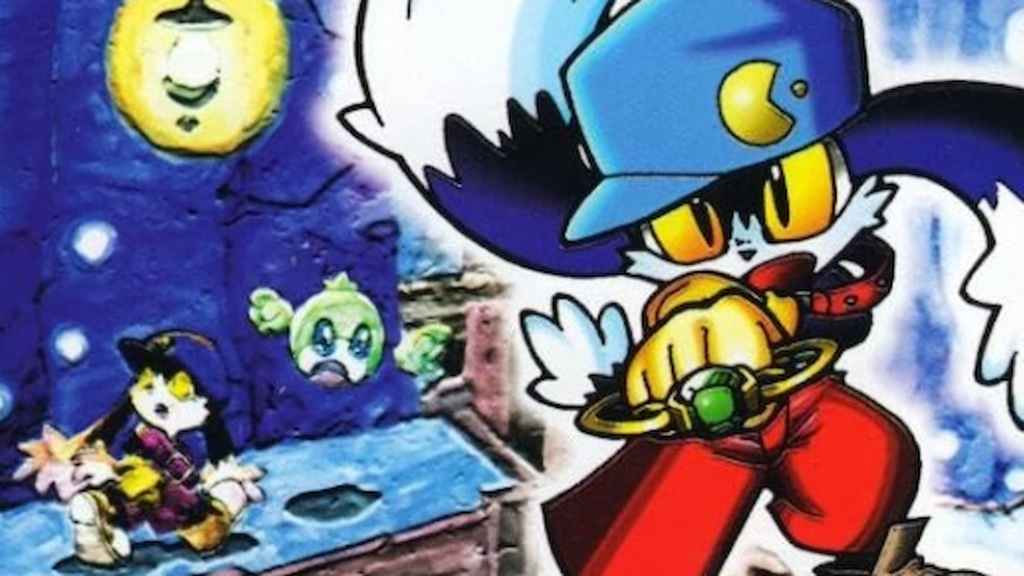
Klonoa: Door to Phantomile was released on the original PlayStation at a time when many developers were pushing full 3D platforming. Instead, it took a different approach and made a bold decision. Developer Namco used 3D visuals but locked most of its movement to a 2.5D plane. This design choice gave players precise control while still allowing the world to feel alive and dimensional. And it worked beautifully.

Mechanically, the game was easy to understand but difficult to master. Klonoa’s signature ring weapon allowed players to grab enemies, throw them, and chain jumps in creative ways. The controls were responsive, the level design was carefully paced, and each stage introduced new ideas without overwhelming the player. This felt refreshing when a lot of platformers were pushing difficulty and challenge as the appeal.
What truly set the game apart, though, was its tone. Klonoa: Door to Phantomile told an emotional story using minimal dialogue, expressive animation, and a fictional language that relied on context rather than exposition. Even today, its ending lands with surprising weight, and I still recall it fondly. Few platformers of the era attempted this kind of emotional storytelling, and even fewer succeeded. Klonoa managed to capture the charm of the genre while still delivering a powerful narrative.
Klonoa’s Place In A Crowned Era

This gaming era was packed with platformers competing for attention. Games like Crash Bandicoot, Spyro the Dragon, and Super Mario 64 dominated the industry and sales charts. Against that, Klonoa: Door to Phantomile was easy to miss. It lacked the marketing push of its competitors and did not immediately fit into a recognizable franchise mold. It was essentially asking players to try something new rather than an already comfortable series or one that had major backing.
Despite this, the game earned a strong reputation among critics and players who found it. It represented a middle ground between classic side-scrolling platformers and fully 3D adventures. That balance allowed it to age more gracefully than many of its contemporaries that struggled with early 3D camera and control issues. It also gave it an edge over titles that remained fully 2D, seemingly offering an intro to 3D platformers.
The Klonoa series never reached the heights of its peers, but it garnered a loyal cult following. The sequel expanded on the formula, and the character became a recognizable figure within Namco’s roster. At the time, the series stood as proof that innovation did not always mean abandoning proven ideas. Looking back, it’s easy to see how ahead of its time Klonoa: Door to Phantomile feels. Many modern indie platformers, like Celeste, take inspiration from its accessibility and emotional tone and receive praise for these qualities.
Klonoa Still Matters Today
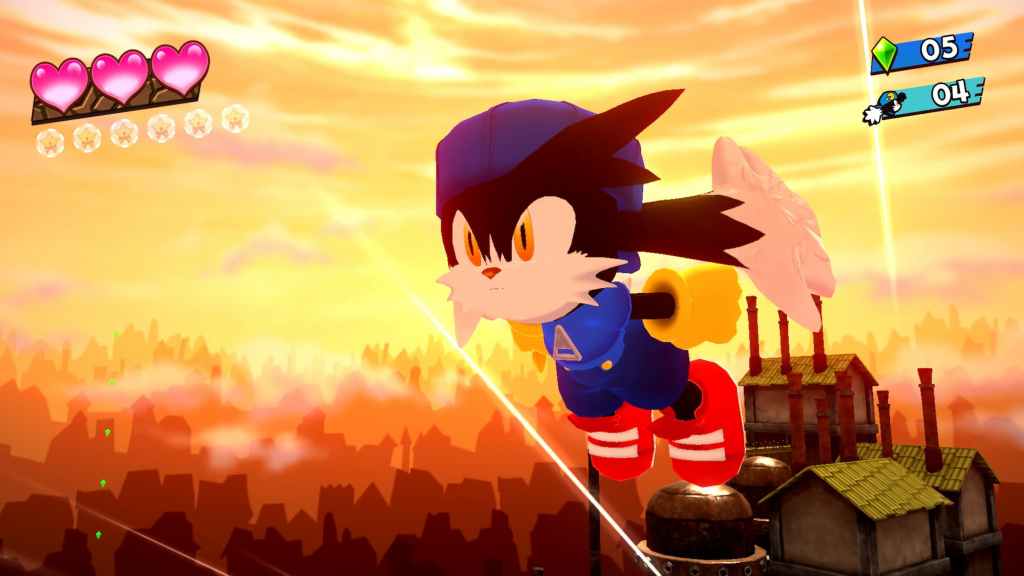
Revisiting Klonoa: Door to Phantomile today highlights just how well it holds up. Movement remains smooth. Level design feels intentional. The game respects the player’s time by avoiding unnecessary padding. These qualities are not guaranteed even in modern releases. The recent remake reinforces this legacy. With updated visuals and quality of life improvements, the core experience remains intact.
Importantly, the remake does not attempt to radically redesign the game. Instead, it adapts the original vision, allowing new players to experience what made the game special while giving longtime fans a polished way to return. In an era where nostalgia-driven remakes often struggle to justify their existence, Klonoa: Door to Phantomile stands out as a reminder of thoughtful design from the 1990s.
Its anniversary may have passed quietly, but its relevance has not. Few classic games feel as Klonoa does today, even outside of the remake. More than anything, Klonoa represents a philosophy of game design that prioritizes feel and emotions over spectacle. As the industry continues to chase bigger worlds and longer playtimes, this modest platformer from the PlayStation era proves that strong fundamentals never go out of style, even when new standards are the norm.
What do you think? Leave a comment below and join the conversation now in the ComicBook Forum!
Most Viewed
-

Courtesy of Sony Pictures Animation / McDonald's -

Courtesy of TOHO Animation -

Image Courtesy of TMS Entertainment