
Typically, a sequel to a beloved franchise is something fans celebrate after spending years, sometimes more than a decade, waiting for its arrival. It is expected to refine what came before, expand on the original’s ideas, and ultimately deliver an experience that surpasses its predecessor. When that happens, the result is usually a moment of genuine excitement for the community that supported the series for so long.
Videos by ComicBook.com
But then, sometimes you get ones like Dragon’s Dogma 2, a rare situation that carried the weight of a promise that had been building for more than a decade, quietly growing in the imagination of players who believed the next installment would finally deliver the version of the game that always felt just out of reach. Fans spent years imagining what a true sequel might look like with modern hardware, and with a massive gap between releases, the expectation was simple: Dragon’s Dogma 2 would finally be the fully realized version of that original dream. Instead, the result felt much smaller than the legacy that came before it.
A Sequel That Had Every Advantage, And Still Fell Short
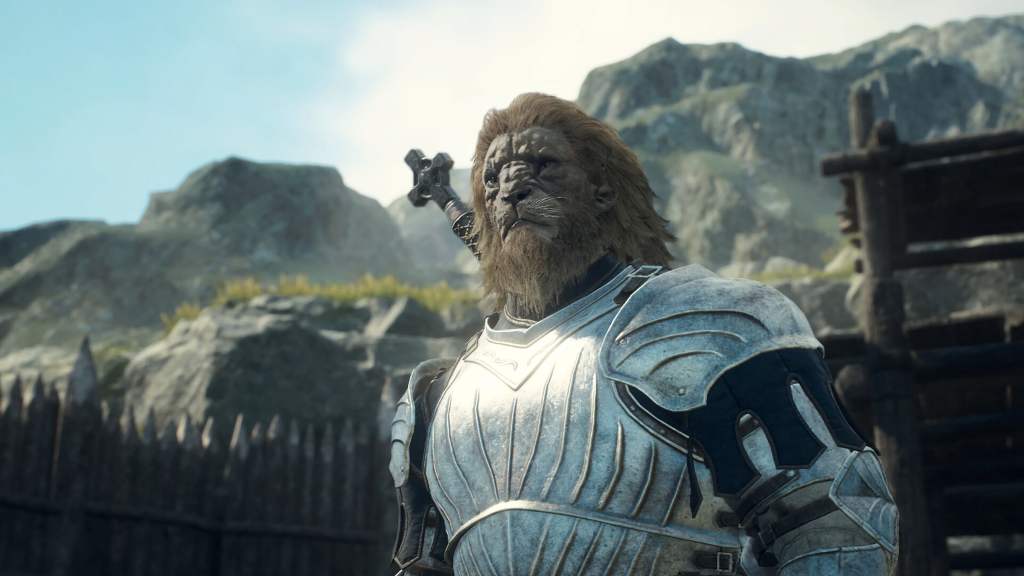
On paper, Dragon’s Dogma 2 had everything working in its favor. A dedicated fanbase had spent more than a decade celebrating the original game’s combat system and unique Pawn mechanics. Hardware limitations that once restricted world design were no longer an excuse. The sequel had time, resources, and a clear understanding of what players loved.
Yet, once the game arrived, the cracks quickly became visible. Enemy variety felt strangely limited for a modern open-world RPG, with many encounters repeating familiar creatures that players had already fought countless times in the original game. Instead of expanding the ecosystem of monsters that made exploration exciting, the sequel often leaned heavily on reskins and slight variations of existing enemies.

The difficulty curve also raised eyebrows. Dragon’s Dogma had always thrived on chaotic battles where even routine encounters could spiral into something dangerous. In the sequel, many of those confrontations feel surprisingly manageable, even early on in the game. The sense of struggle that has long defined the experience rarely pushed back in meaningful ways, leaving much of the adventure feeling flat, much easier than expected for a game positioned as the series’ definitive evolution.
The open world also struggled to live up to expectations. Exploration in the original game was already somewhat restricted by natural terrain barriers, but those limitations felt easier to forgive in 2012. In Dragon’s Dogma 2, the world often felt tightly funneled by mountains and narrow pathways that pushed you back toward the main roads. Attempting to wander off the beaten path frequently ended with the realization that the terrain simply would not allow it. What should have felt like a sprawling next-generation landscape instead came across as strangely constrained, and in many places the playable space felt outright smaller than the original’s.
What makes these shortcomings all the more frustrating is the context surrounding them. Dragon’s Dogma 2 was supposed to represent the version of the original vision that finally escaped the constraints of its era. Instead, it ended up feeling like the long-awaited expansion of those ideas with hardly anything new in between. The biggest disappointment was the wait between announcement and launch, because, frankly, it wasn’t worth the hype in the end.
How the Originals Outclass the Supposed “Next-Gen” Sequel

Part of what made the original Dragon’s Dogma special was the way its systems combined to create unpredictable moments. The Pawn system added personality to every journey, the climbing mechanics transformed boss fights into chaotic spectacles, and the world constantly hinted at secrets hidden beyond the next hill.
Even more surprising is how later versions of the original game expanded on those foundations in ways the sequel struggles to match. Dragon’s Dogma: Dark Arisen introduced Bitterblack Isle, a brutal endgame experience filled with layered encounters that demanded careful preparation. Meanwhile, Dragon’s Dogma Online experimented with large-scale battles and cooperative systems that pushed the series’ combat design into new territory.

Those experiences created the sense that the Dragon’s Dogma formula had enormous room to grow, and they both came before the game’s official main-branch sequel. The sequel, however, rarely reached that same level of ambition. Exploration still holds moments of wonder, yet the broader structure often felt lighter than what longtime fans expected from a modern continuation of the series.
This is what makes the disappointment surrounding Dragon’s Dogma 2 so polarizing. The foundation of the franchise remains compelling, but a sequel built after more than a decade of anticipation was supposed to elevate those ideas into something way more definitive and evolved. Instead, it came across like a version of Dragon’s Dogma that exists comfortably beside its predecessors rather than surpassing them, despite having other games in its franchise that had already improved the core formula.

For a sequel built on the promise of untapped potential, the outcome felt more like a whimper in the wind instead of the triumphant return it should have been. But hey, at least it has better graphics, right?
What do you think? Leave a comment below and join the conversation now in the ComicBook Forum!
