Sometimes a developer reveals a game and shadow drops immediately, while others reveal a game a year or two out from release. However, in some cases, such as Hollow Knight: Silksong, a game may take years to release. In this case, fans have waited nearly 13 years for a chance to play this game, and it is finally here. Not only that, but some players will be able to enjoy the game for free as it has also launched on Xbox Game Pass day one.
Videos by ComicBook.com
Routine was first revealed in 2012, but was finally released 13 years later. For fans who have been there since the beginning, this feels like a surreal experience. After thirteen years of behind-the-scenes turmoil, team changes, full redesigns, and shifting console generations, the long-lost project has finally emerged: fully finished, radically polished, and immediately available on Game Pass. It’s rare for a game with this kind of history to land with such confidence, and even rarer for it to feel this relevant after so many years on ice. But this release pulls it off, proving that sometimes time doesn’t destroy a vision
Routine’s 13 Year Journey to Release

Few games have endured a longer, more dramatic road to release than Routine. Originally announced all the way back in 2012, it was pitched as an immersive lunar-base horror game with a 1980s retro-tech aesthetic: something that felt ahead of its time long before titles like Alien: Isolation or Signalis proved the appetite for analog sci-fi dread. But after its promising debut, updates slowed, delays accumulated, and the project faded into obscurity.

Over the years, rumors circulated: was the game canceled? Was the team still together? Would it ever be released? In truth, Routine was never truly dead. Instead, it was simply evolving. Small team changes, funding challenges, and the pressure of delivering on growing fan expectations all stretched development far past its initial target. A major turning point came when publisher Raw Fury stepped in, giving the developers the support they needed to rebuild and modernize the game.
What began as a modest indie horror concept eventually grew into a fully realized experience designed for modern hardware. Thirteen years after its reveal, Routine has finally launched: polished, optimized, and more ambitious than anyone expected. After years of radio silence and uncertainty, the game is now instantly accessible to millions of players on both Xbox and PC. Few titles survive this kind of journey, let alone emerge stronger. Routine is one of the very rare exceptions.
Routine Is a Haunting, Atmospheric Mystery Worth the Wait
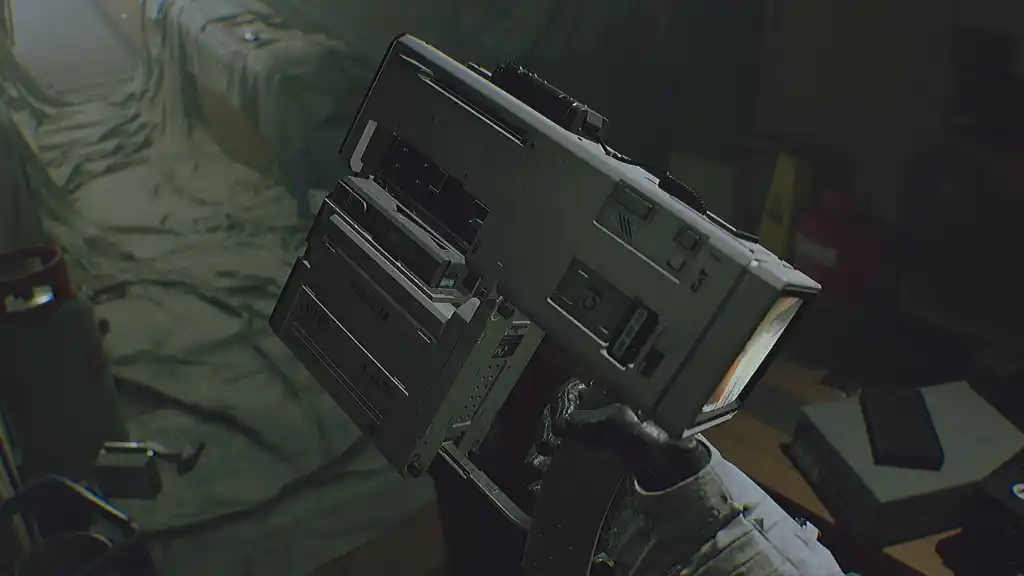
Now that Routine is finally here, the big question is simple: does it live up to the hype surrounding its long journey? The answer is yes. Launch day sees it boasting a Very Positive review score on Steam already, showing an early start. Routine doesn’t try to imitate anything else in the genre. Instead, it leans into what made its earliest concept so compelling: isolation, vulnerability, and the cold dread of malfunctioning machinery in the dark.
Set on an abandoned lunar research facility, the game throws players into a claustrophobic labyrinth of dim corridors, flickering CRT displays, and nerve-shredding silence. There are no guns, no streamlined action sequences, and no cheap reliance on jump scares. Instead, Routine embraces the kind of tension where every sound feels dangerous, and every shadow hides uncertainty. Gameplay centers on exploration and survival that feels right out of Alien: Isolation and Metroid Prime.
Navigating the moon base while uncovering the crew’s mysterious disappearance, avoiding broken, unstable security robots hunting autonomously, using minimal tools and analog tech to solve puzzles, and managing the growing psychological pressure of isolation. The game’s visual identity is a standout feature. Its retro-futuristic design creates a tone both nostalgic and unsettling that amplifies all of these aspects.
What makes Routine truly effective is its restraint. It doesn’t over-explain, doesn’t oversaturate the experience with scripted set pieces, and doesn’t sacrifice immersion for spectacle. It’s slow, deliberate, and deeply atmospheric. For a title trapped in development for more than a decade, Routine feels remarkably cohesive, intentionally minimalistic, and refreshingly old-school in its execution.
How Routine Could Influence the Next Generation of Horror Games
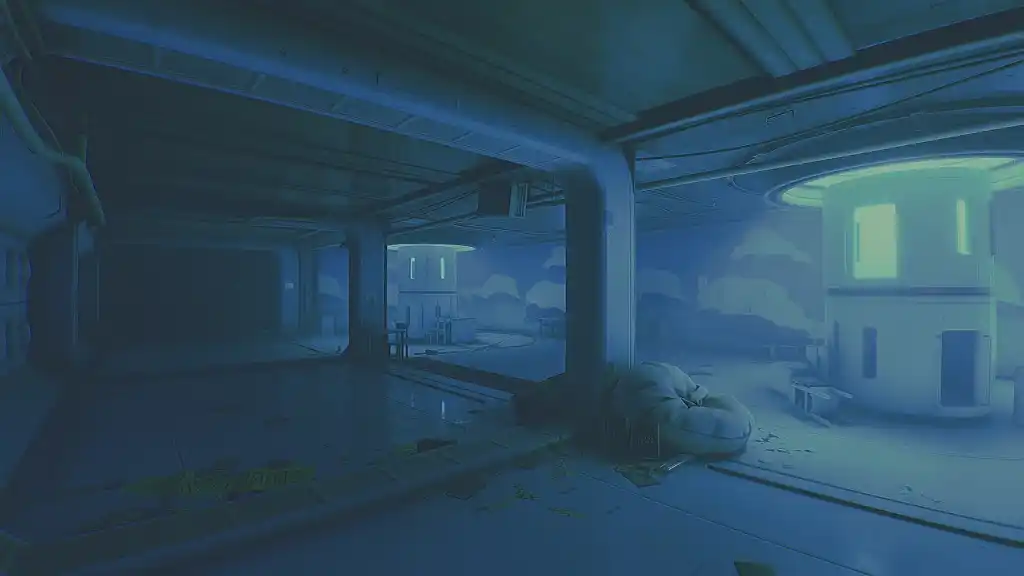
2025 has been an incredible year for horror games. Cronos: The New Dawn, Silent Hill f, and now Routine, and all in varying genres. This latest release occupies a unique space thanks to its focus on analog technology that pushes a direction that many modern games shy away from. The retro-futuristic aesthetic isn’t just a visual choice but one that shapes the gameplay. Navigating a lunar base filled with unreliable tech, malfunctioning machines, and limited tools creates an atmosphere most high-tech sci-fi games can’t replicate.
Future games could learn from Routine. By leaning into a “less is more attitude and older ideas, Lunar Software’s horror game stands out. In an era where horror often tries to be bigger, louder, and more cinematic, Routine demonstrates that small-scale, tightly focused atmospheric horror still has enormous power. And, on a broader level, its long development cycle serves as an unusual but hopeful reminder: games can survive years of uncertainty as long as their creators refuse to abandon the vision. This can often lead to a better launch than rushing it out there.
Its success on Steam shows this. And Game Pass, where millions will try it simply because it’s included, could influence publishers to invest more in mid-budget, experimental horror projects. This matters because the horror genre often thrives on innovation from smaller teams. If Routine performs well, it may open the door for more atmospheric titles that prioritize dread and tension over spectacle.
What do you think? Leave a comment below and join the conversation now in the ComicBook Forum!
Most Viewed
-

Courtesy of Sony Pictures Animation / McDonald's