Open-world games have come a long way over the past two decades, evolving from simple sandbox environments into sprawling worlds filled with layered systems, deep quests, and meaningful player choice. And now they are some of the most popular and successful games. Yet for all their growth, the genre still tends to orbit the same familiar design space. Most modern open worlds rely heavily on fantasy elements, medieval inspirations, and melee-based combat. That sameness has made me increasingly aware of the gap in the genre that needs attention.
Videos by ComicBook.com
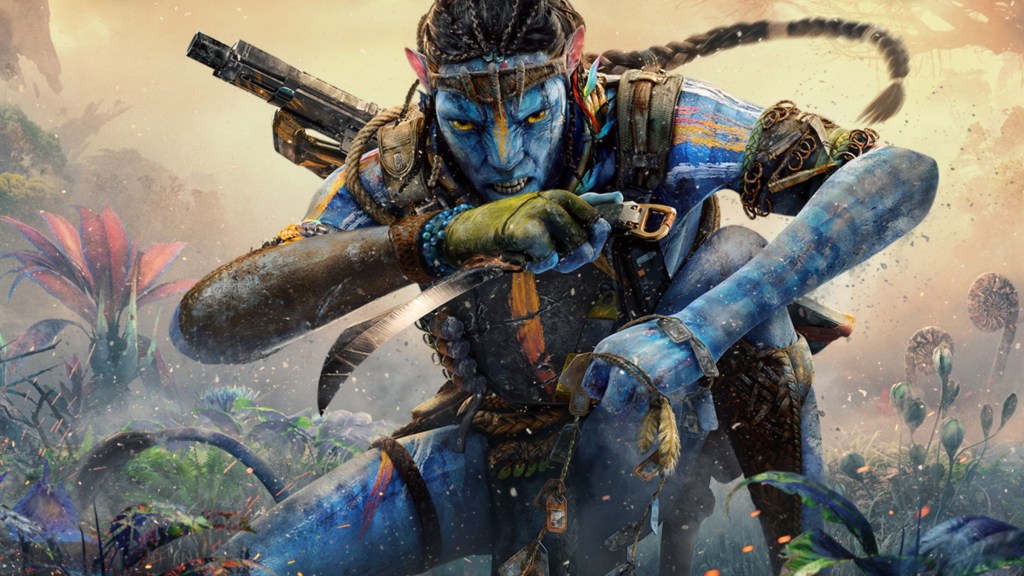
At some point, I realized that truly dedicated open-world shooters are surprisingly rare. While hybrids exist, even some of the biggest games in the industry lean heavily on melee options to compensate for their design limitations. Titles like Cyberpunk 2077 and Fallout 4 can be played almost entirely without guns, allowing melee-only builds that overshadow the potential of shooter-focused design. Even though Avatar: Frontiers of Pandora stands out as a visually stunning open-world shooter, it still feels like just one entry in a space that should be much larger. What I want is an expansive, RPG-driven world built entirely around firearms as the primary form of combat, progression, and identity.
The State of Open World Games Feels Repetitive
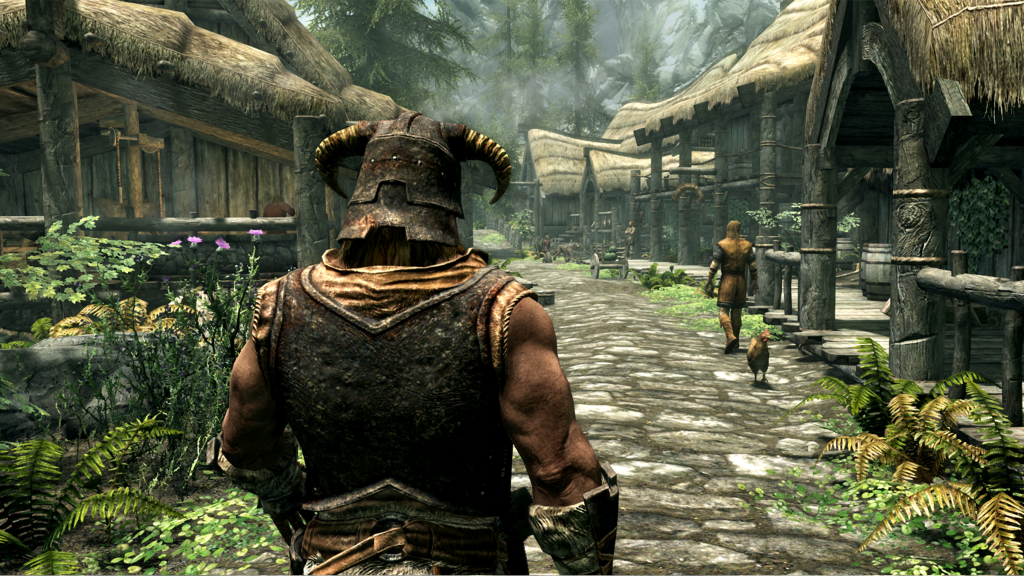
Most open-world games default to melee combat because it is easier to balance within expansive environments. Swords, axes, and improvised weapons allow developers to control engagement distances, enemy scaling, and encounter pacing. This is why the majority of fantasy and action RPGs lean on melee frameworks, even when featuring magic or ranged options. While effective, this approach limits the potential of the open-world genre. Shooter-focused systems require different AI, different world layouts, and different encounter designs, many of which are more challenging. But that is also why pursuing them is so important.
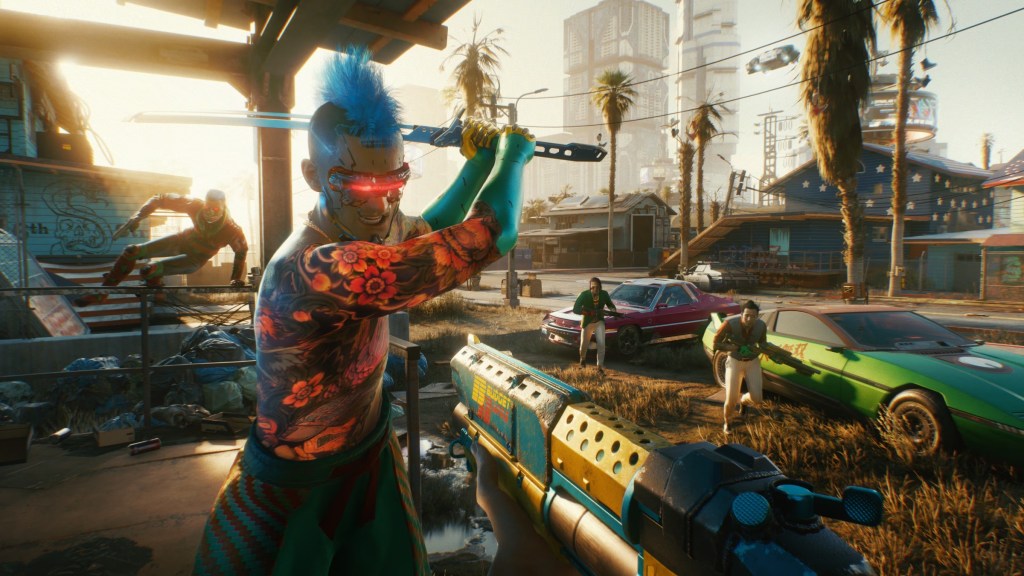
When I look at the modern landscape, it feels like open-world shooters remain artificially constrained. The few that exist often rely on hybrid mechanics that dilute the depth of firearm-based play. In Cyberpunk 2077, for example, the melee builds can overshadow gunplay due to stat scaling and cyberware synergy. Fallout 4 allows for complete melee-only runs, meaning the game never fully commits to being a true open-world shooter. These design decisions create flexible playstyles but prevent the genre from exploring the full potential of a rich, narrative-driven shooter.
A dedicated open-world shooter would enable developers to craft environments, factions, and mission structures centered on gunplay from the ground up. Horizon: Zero Dawn and Red Dead Redemption 2 are probably the best examples I can think of when it comes to this genre. Instead of adapting melee-driven formulas to fit firearms, the design could expand in new directions. The result could be an RPG that feels entirely distinct from the worlds we already roam. I’d love to see something take up the mantle of The Witcher 3 or Skyrim with guns.
Hybrid Systems Work, But Not Well Enough
Even if the genre is underrepresented, there are important lessons to take from the titles that have attempted to blend shooter mechanics with open worlds. Avatar: Frontiers of Pandora is one of the strongest examples. Its lush biomes, Na’vi mobility, and dynamic wildlife make it feel alive in ways many shooters do not. Its gunplay, while lighter than traditional FPS titles, is given room to breathe thanks to open environments designed to encourage ranged combat.
Similarly, Cyberpunk 2077 excels in how it frames firearms within its RPG systems. Mods, attachments, and weapon archetypes offer a level of customization that open-world fantasy games rarely match. Despite melee dominance in certain builds, the game proves that shooter mechanics can coexist within a large, narrative-driven world without sacrificing progression depth. The potential is clearly there; it just hasn’t been taken far enough.
Meanwhile, Fallout 4 provides a strong foundation in world simulation and exploration. Even though melee can take over, its VATS system and expansive weapon variety show how open-world shooters can integrate RPG mechanics that feel meaningful. These games have already laid the groundwork. What we are missing is a title that takes these ideas and pushes them to their absolute limit and places them at the core of the game.
What a Fully Realized Open World Shooter Could Achieve
The perfect open-world shooter RPG would embrace firearms not as an option, but as the core identity of its world. Imagine a setting designed specifically around ranged engagement: urban ruins, sprawling deserts, fortified encampments, and dense forests that change how players approach each encounter. Enemies would be built with firearms in mind, featuring smart AI, tactical positioning, and dynamic reactions to player behavior.
Progression systems could revolve around scavenging, crafting, and customizing an arsenal of weapons that feel distinct and meaningful. Instead of simply increasing damage numbers, upgrades could open new tactical possibilities, encourage experimentation, and enhance mobility or stealth options. Attaching this mechanical depth to a shooter and then pairing it with the beautiful worlds and in-depth narratives that many RPGs feature would combine the best of both genres.
Above all else, the genre could finally break out of the melee-driven mold that has defined open worlds for so long. We have reached a point where fantasy settings and sword-based combat, while enjoyable, are no longer the only viable design path. There is room for a new type of open world experience to emerge, one that puts gunplay at the center and builds everything else around it with the same depth and respect that fantasy RPGs give to their swords and magic.
What do you think? Leave a comment below and join the conversation now in the ComicBook Forum!
Most Viewed
-
Courtesy of Lionhead Studios -

Image via Prime Video -

Courtesy of Toei Animation -

Courtesy of Eight-Bit