Trust is one of those ideas that sounds simple until you actually have to rely on it. In games, just like in life, trust is rarely absolute. It is shaped by incentives, fear, shared goals, and the constant possibility that someone might decide to look out for themselves instead of the group. Some games avoid that tension entirely, but the ones that embrace it often end up being far more interesting because they force players to think about people, not just mechanics.
Videos by ComicBook.com
That is exactly where ARC Raiders lands, and it is why it feels so strangely compatible with Star Trek. Star Trek has always been obsessed with trust under pressure, and no group embodies that better than the Ferengi. Their Rules of Acquisition turn trust into something transactional but reliable, a system where self-interest does not destroy cooperation but defines it. ARC Raiders asks players to operate in almost the same mental space. Every match becomes a test of how well you understand other people’s motivations, and that makes the comparison impossible to resist.
How the Ferengi Show That Rules Make Trust Predictable
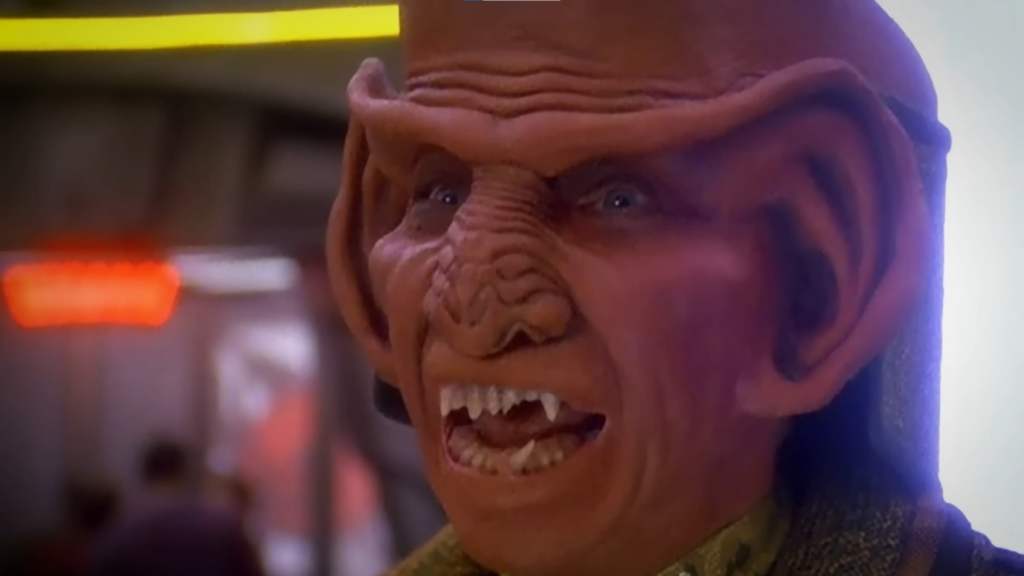
The Ferengi are often misunderstood as just greedy antagonists, but Star Trek consistently treats them as something more interesting. Their Rules of Acquisition are not just jokes or flavor text. They are a cultural framework that explains behavior. When a Ferengi makes a deal, bends the truth, or even betrays someone, it usually fits within a recognizable pattern. You might not agree with their values, but you can predict their actions once you understand those values.
That predictability is the key. Trust does not require goodness. It requires consistency. The Rules of Acquisition create a shared understanding that everyone involved can reference, even when those rules are flexible or occasionally broken. A Ferengi breaking a rule still reinforces the system, because it happens for a reason that aligns with self-interest. The system never pretends people will act charitably. It accepts that reality and builds trust on top of it.

ARC Raiders mirrors this philosophy in how its matches naturally unfold. There are no explicit social rules, but the structure of the game teaches players how trust usually works. Scarcity of resources, the danger of PvE threats, and the looming presence of other squads all push players toward familiar patterns. Temporary alliances form when the situation demands it. Tension rises near extraction. Violence often breaks out when the stakes peak. None of this feels random once you have spent enough time in the game.
That is where ARC Raiders becomes quietly brilliant. Like the Ferengi system, it creates trust through expectation. You start to understand when cooperation makes sense and when it is likely to fall apart. You learn that trust is situational, not permanent. The game does not punish you for trusting others, but it also never guarantees that trust will be rewarded. It simply gives you enough information to make informed decisions, which is exactly how the Rules of Acquisition operate in Star Trek.
Why ARC Raiders Players Should Treat Each Match Like a Negotiation
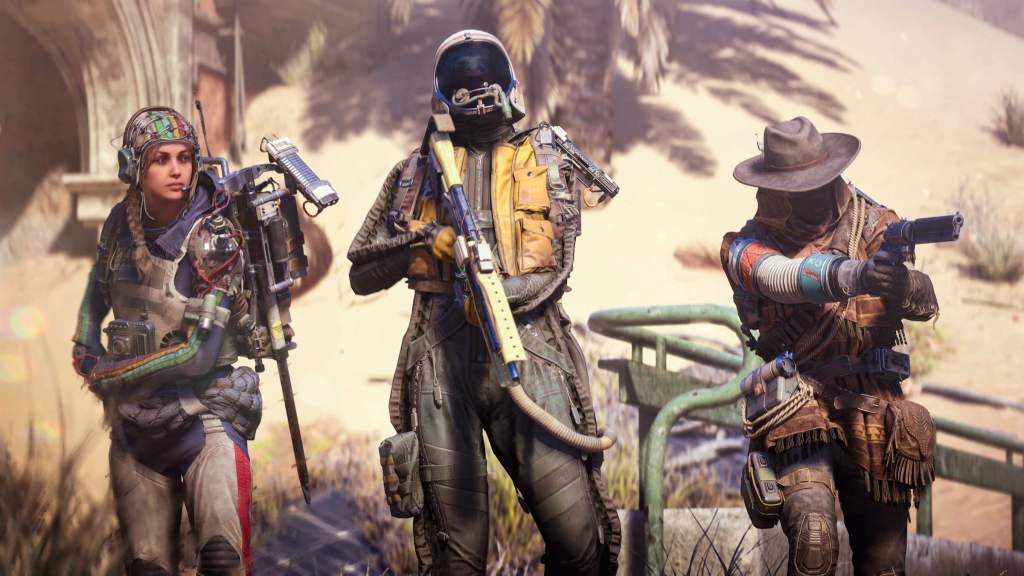
If ARC Raiders clicks for you, it is probably because you already approach it like a negotiation, even if you have never framed it that way. Every encounter with another player involves leverage. You have something they want, whether that is firepower, backup, or simply not shooting them on sight. They have something you want too, and the balance between those wants determines how long cooperation lasts.
Viewing matches this way sharpens your instincts. Instead of labeling players as friendly or hostile, you start asking better questions. What does this player gain by keeping me alive? What do they gain by turning on me later? Are they confident, desperate, cautious, or reckless? These reads matter far more than raw skill, because ARC Raiders is not just about winning fights. It is about surviving the social layer wrapped around those fights.
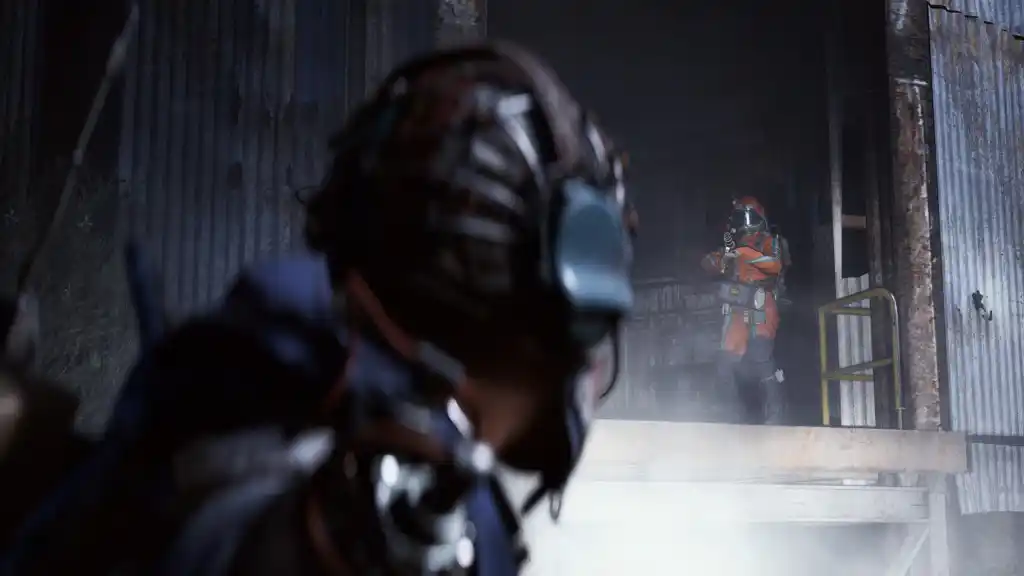
This approach also reframes betrayal in a healthier way. Getting betrayed in ARC Raiders hurts, but it rarely feels unfair when you step back. Much like dealing with a Ferengi, betrayal usually happens when incentives shift. Maybe the loot got too valuable. Maybe extraction was too close. Maybe trust lasted exactly as long as it was useful. Seeing betrayal as a failed negotiation rather than a personal slight makes the game easier to enjoy and learn from.
Most importantly, this mindset makes cooperation more meaningful, not less. When trust is earned instead of assumed, successful teamwork feels incredible. Those moments where two squads help each other escape against overwhelming odds feel special because they were never guaranteed. Just like in Star Trek, trust that survives temptation carries more narrative weight than trust that was never tested. ARC Raiders shines when players embrace that tension instead of wishing it away.
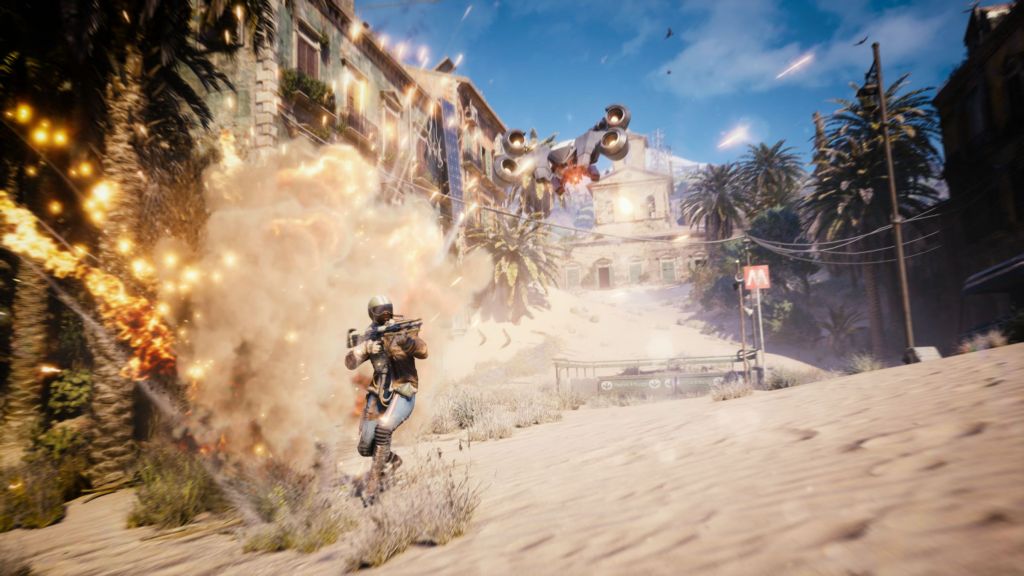
ARC Raiders does not just accidentally echo Star Trek. It taps into one of the franchise’s smartest ideas about how people actually work. For players willing to think like negotiators instead of heroes, the game opens up into something smarter and surprisingly philosophical. That is a very Star Trek place for a shooter to end up, and it is exactly why the comparison works so well.
What do you think? Leave a comment below and join the conversation now in the ComicBook Forum!
Most Viewed
-

Image Courtesy of Netflix -

Image courtesy of Warner Bros. Pictures -

Image Courtesy of Ufotable -

image courtesy of Studio Ghibli